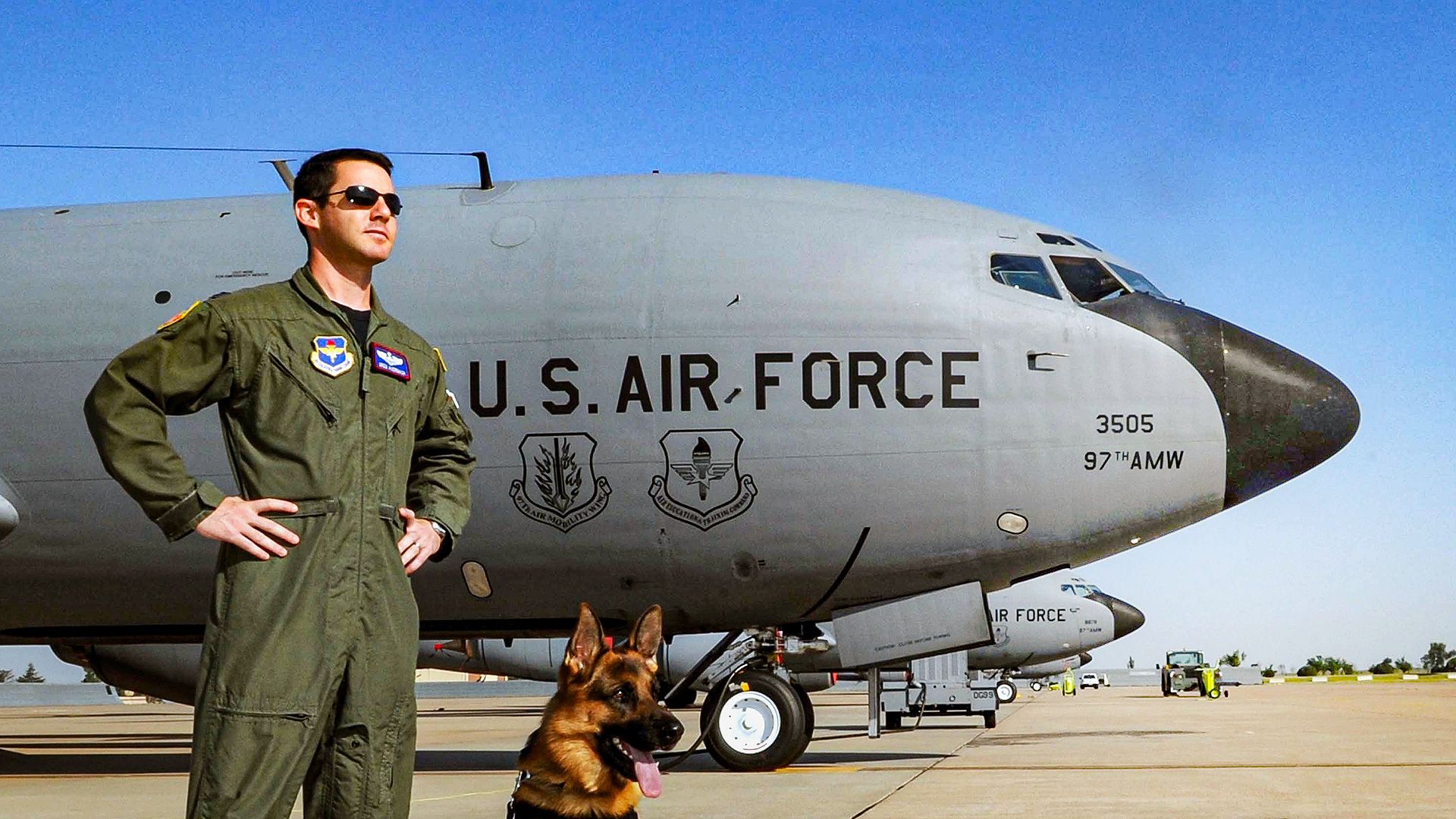


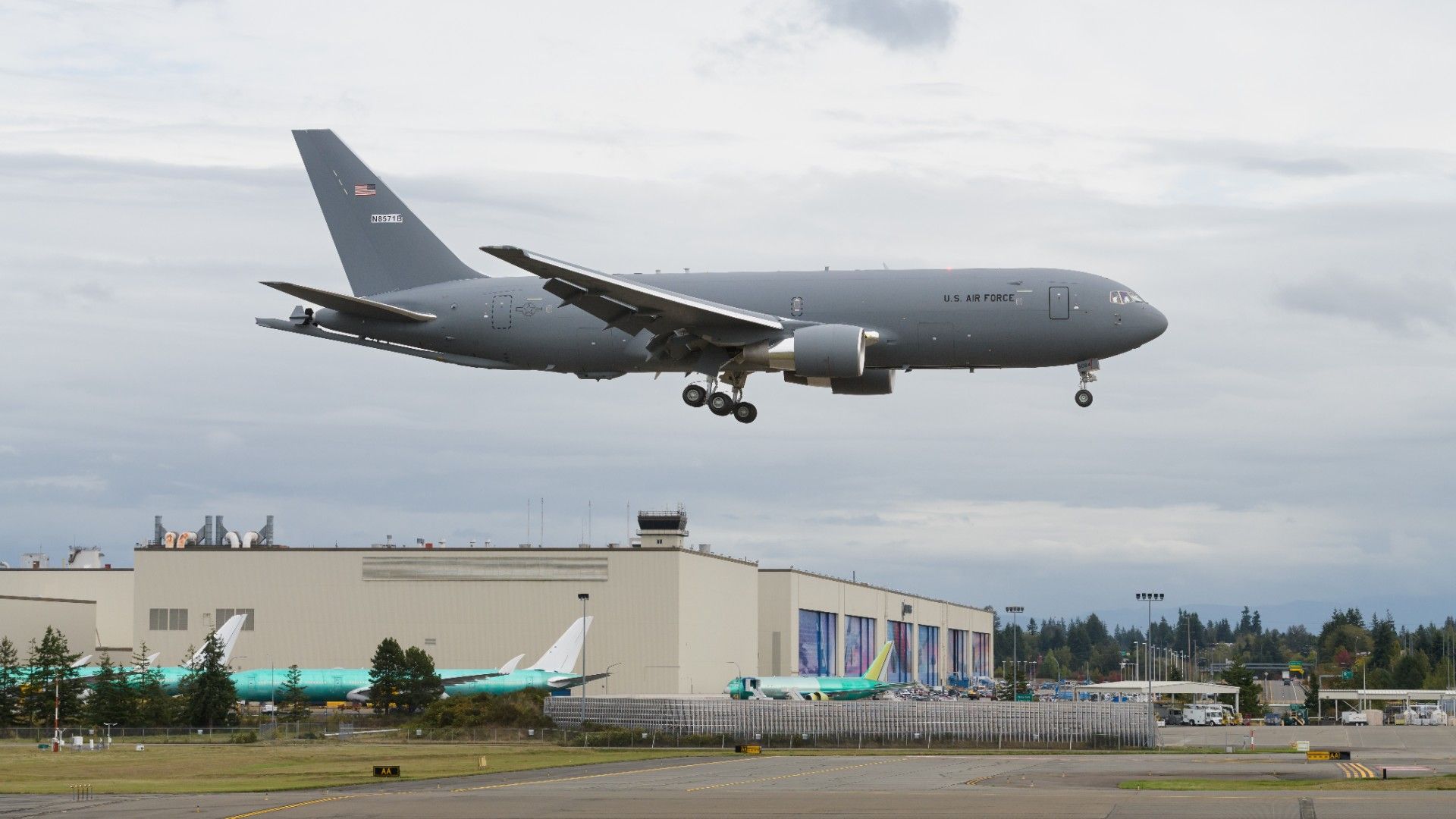
Last year's engine testing incident at Fairbanks International Airport in Alaska has resulted in a significant damage bill, with the airport's asphalt surface valued at over $140,000. The Boeing KC-46 Pegasus aircraft from the New Hampshire Air National Guard was conducting regular commercial airport parking stands when it experienced an engine testing procedure that went awry. Despite meeting the standards required for a parking ramp, the airport's asphalt surface was not sufficient to withstand continuous high-power engine exhaust blasts exceeding 1,000 degrees, which is not surprising considering the immense power produced by modern aircraft engines.
The incident occurred on July 12 and has only recently been formally reported. According to Task & Purpose, the KC-46A Tanker aircraft was performing multiple high-powered engine runs at one of the airport's parking ramps when the damage occurred. The aircraft's tenth engine run resulted in a 25-foot-wide hole being formed on the ground due to chunks of asphalt being flung into the air from the thrust of the engine.
The maintenance personnel involved followed procedures during these engine runs, and the surface of the parking ramp met the specifications required for it to function as a parking ramp. However, it was not prepared for long-duration engine test runs, which highlights the importance of designated areas for safe engine testing. The airport's asphalt structure was subjected to sustained high temperatures and high pressures from the engine exhaust during these tests.
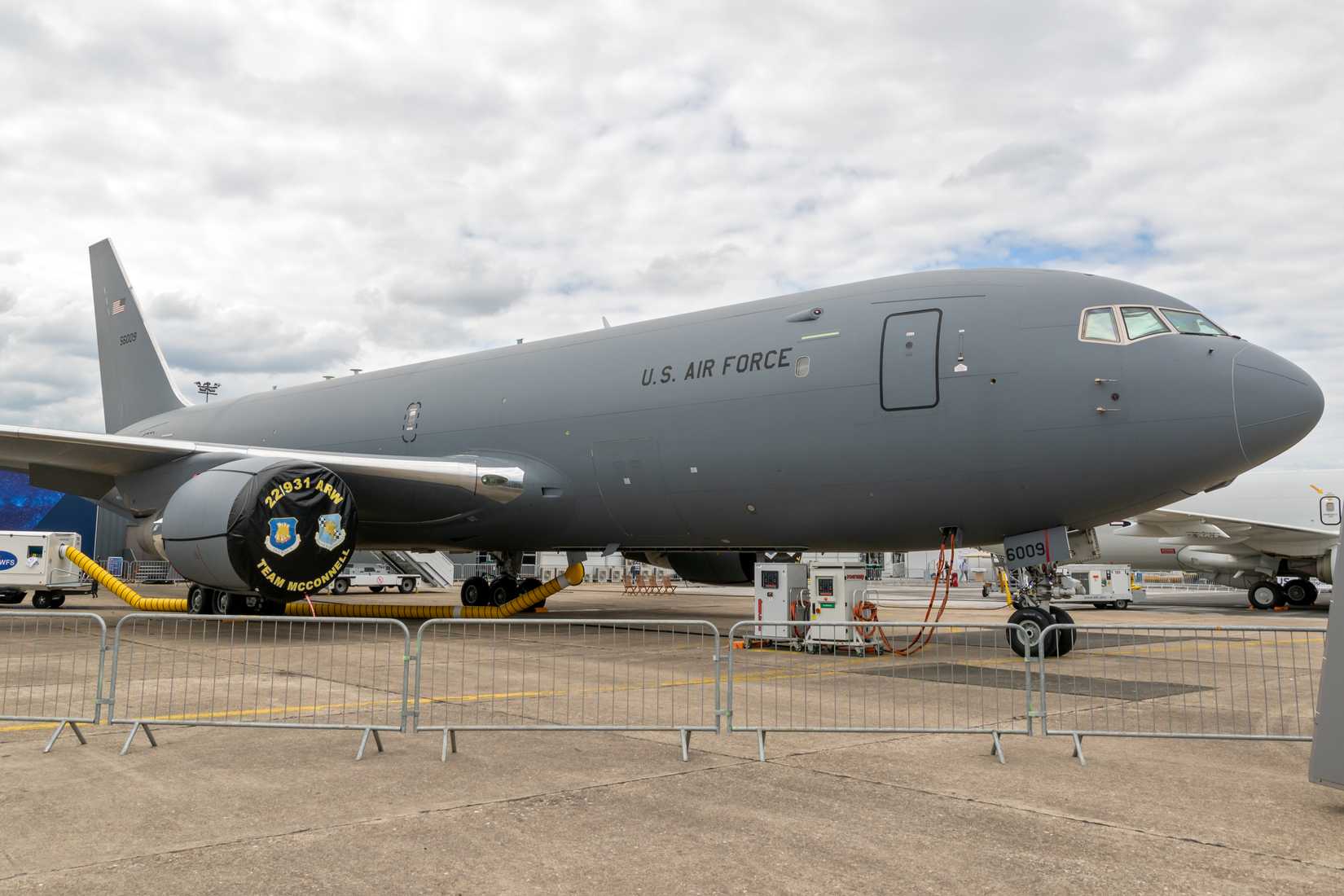
The investigation found that persistent high temperatures in combination with repeated high engine exhaust from the right engine of the KC-46A were the cause of the mishap. This emphasizes the need for careful planning and execution when conducting engine tests, especially in close proximity to airport operations.
Airports have designated areas where aircraft can perform engine runs and tests safely without impacting regular operations. These areas must be secure and capable of keeping noise levels within an acceptable range while mitigating any risks from engine blasts. Fire suppression systems are often integrated into these areas to ensure safety.
The incident serves as a reminder of the importance of following established safety protocols when conducting high-power engine tests. The use of designated engine test areas can help minimize risks and prevent damage like the one caused at Fairbanks International Airport.
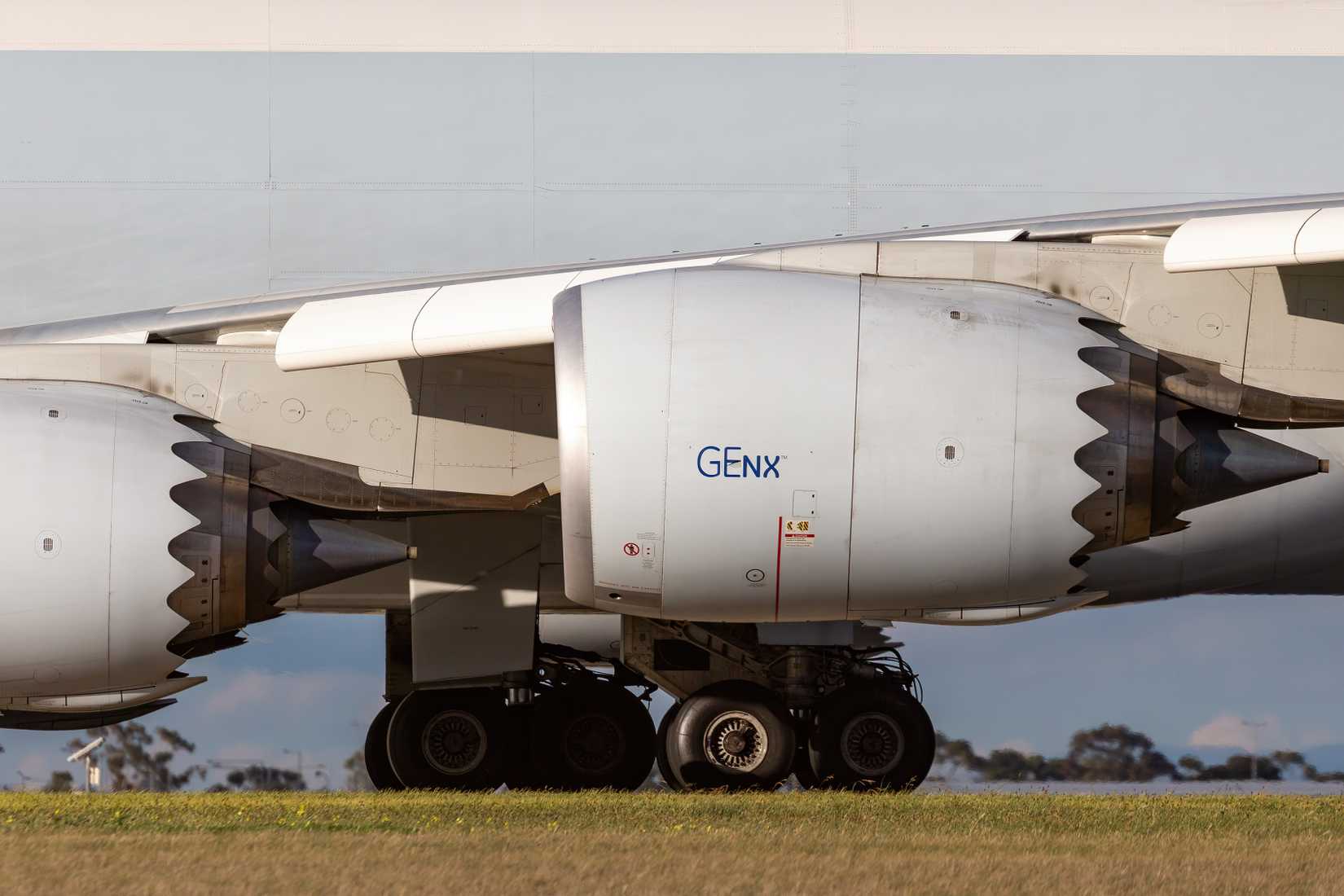
In terms of regulations, airports must adhere to guidelines set by organizations such as IATA, which designates Engine Danger Areas based on the type of engine used. These guidelines aim to mitigate risks from engine blasts and ensure safe operations.
The incident highlights the need for ongoing safety assessments and maintenance to prevent similar incidents in the future. By prioritizing safety measures and designated areas for engine testing, airports can minimize the risk of damage and ensure safe operations.
Ultimately, the incident underscores the importance of careful planning, execution, and adherence to safety protocols when conducting high-power engine tests. By doing so, we can minimize risks and prevent costly damages like the one caused at Fairbanks International Airport.

The incident highlights the importance of proper safety measures when conducting high-power engine tests in close proximity to airport operations.