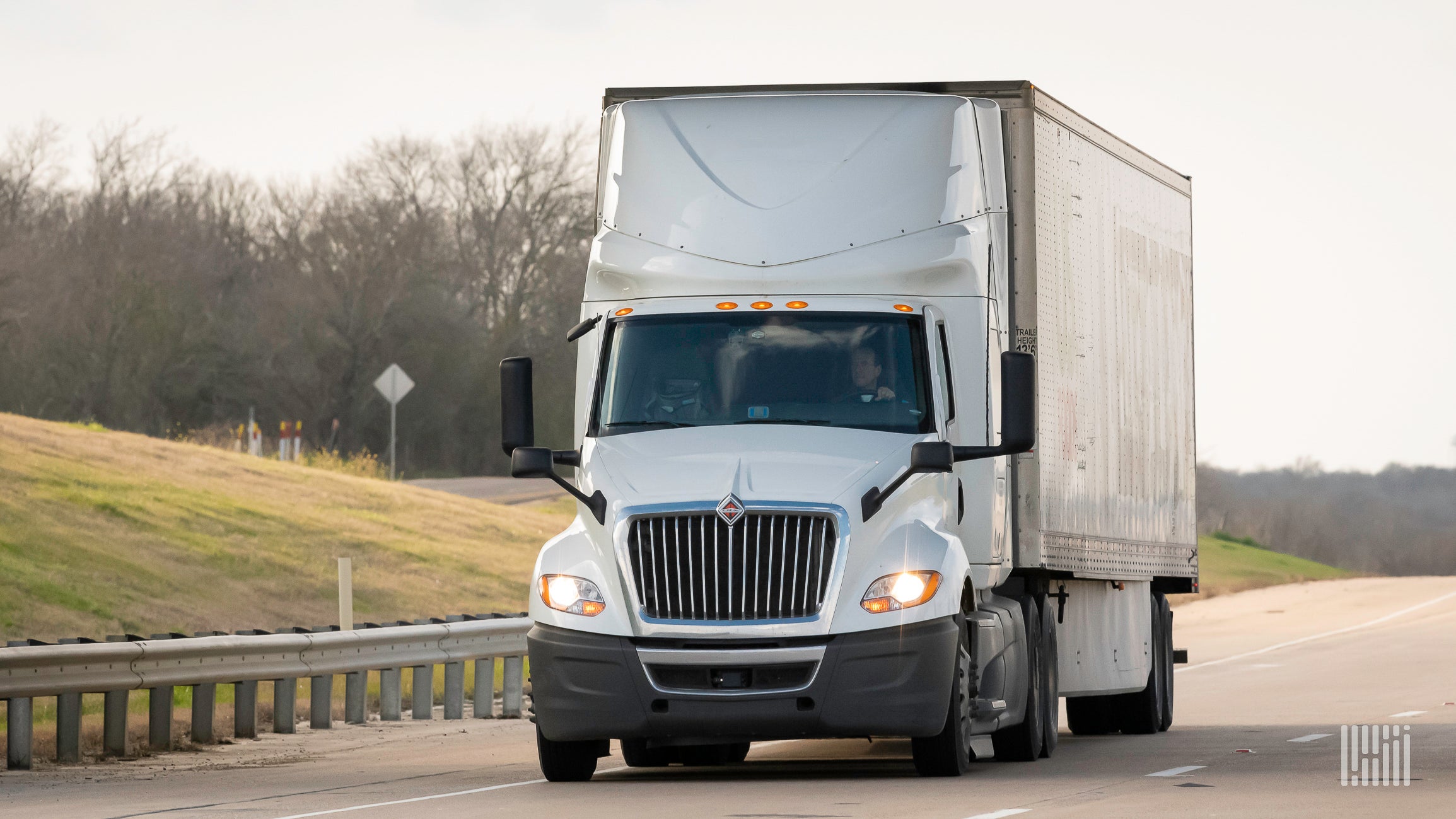

The trucking industry is experiencing rapid advancements in technology, with artificial intelligence, connected vehicles, and electric trucks being some of the key developments. However, these innovations can be overwhelming for fleets, making it challenging to determine what's truly viable and worth investing in. As a result, many are left wondering what's real and what's just hype.
The challenge for fleets is to separate fact from fiction when it comes to these emerging technologies. With so many options available, it can be difficult to know where to start and which investments will yield the greatest returns. This is particularly true in an industry where downtime and maintenance costs are already significant concerns.
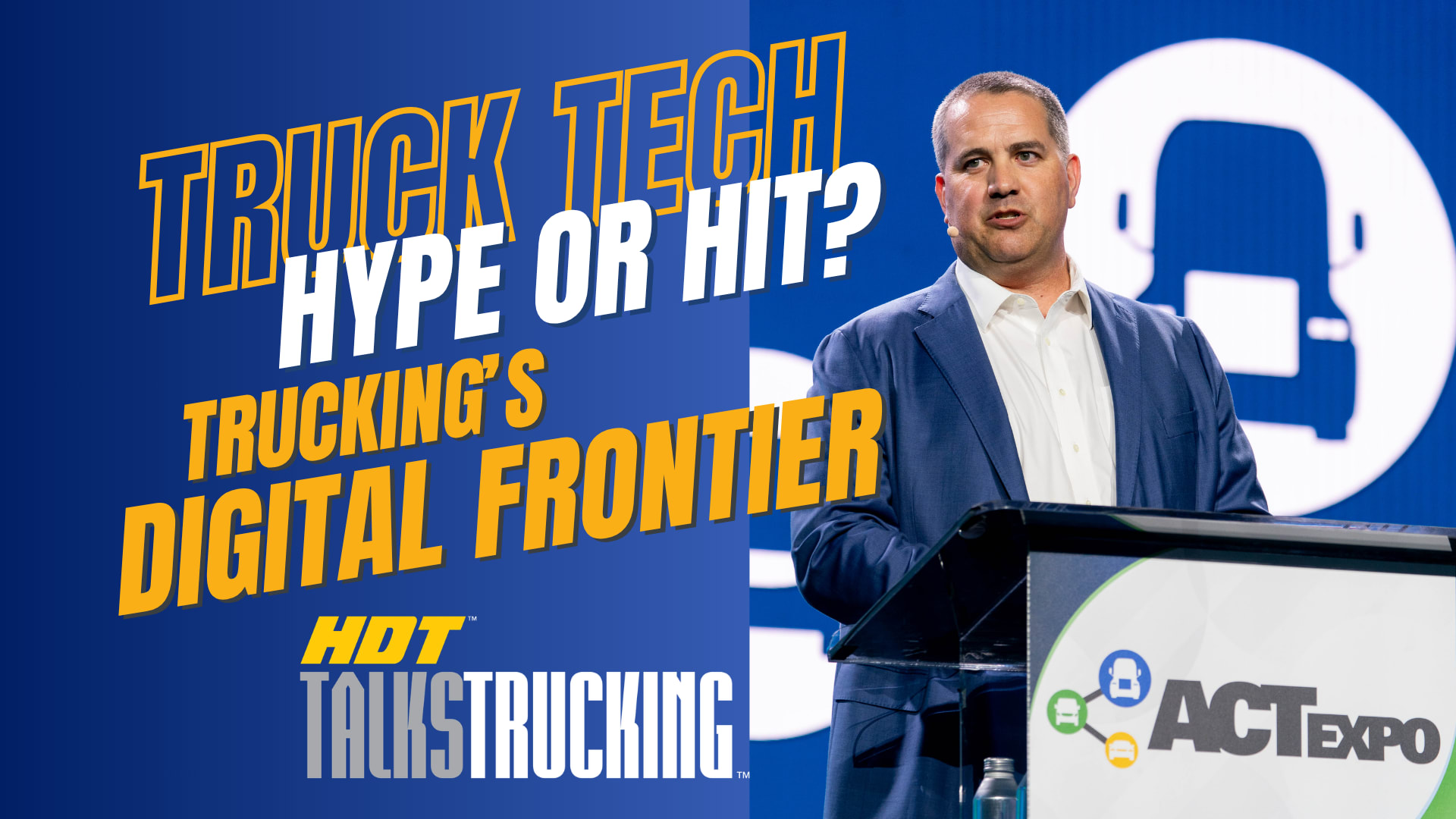
In this episode of HDT Talks Trucking, we spoke with Erik Neandross, president of TRC's Clean Transportation Group and organizer of ACT Expo, about the current state of advanced truck technology and what the future holds. By gaining insight from a seasoned expert in the field, we can better understand the trends that are shaping the industry.

Erik Neandross emphasized the importance of understanding the nuances behind each emerging technology. 'It's not just about throwing money at something new,' he said. 'You have to consider the practical applications and how they will integrate into your existing operations.' This approach is crucial for fleets looking to maximize their investments and minimize waste.
One area that Neandross highlighted as particularly promising is electric trucks. With growing concerns over climate change and air quality, many fleets are now exploring alternative fuel sources. However, there are still significant challenges to overcome before electric trucks can become a mainstream reality.
Another key development in trucking technology is advanced safety systems. These innovations have the potential to significantly reduce accidents and improve overall road safety. However, implementing these systems requires careful planning and coordination with drivers and other stakeholders.

Neandross also discussed the role of artificial intelligence in trucking. While AI has the potential to greatly enhance fleet efficiency and productivity, it also raises important questions about data privacy and cybersecurity. As fleets increasingly rely on AI-powered systems, they must ensure that their data is secure and protected from unauthorized access.
The trucking industry is at a critical juncture, with emerging technologies poised to transform the way fleets operate. By understanding the current state of advanced truck technology and staying ahead of the curve, fleets can position themselves for long-term success and competitiveness.
Ultimately, what's real in advanced truck technology is not just about the individual innovations – it's about how they come together to create a more efficient, sustainable, and safe industry as a whole. As Neandross emphasized, 'the key is to stay focused on the customer and the end-user.' By prioritizing their needs and concerns, fleets can make informed decisions that drive real value and impact.

As the trucking industry continues to evolve, it's clear that advanced technologies will play an increasingly important role in shaping its future. By staying informed and engaged with the latest trends and innovations, fleets can position themselves for success and thrive in a rapidly changing landscape.
The trucking industry is at a critical juncture, with emerging technologies poised to transform the way fleets operate.