
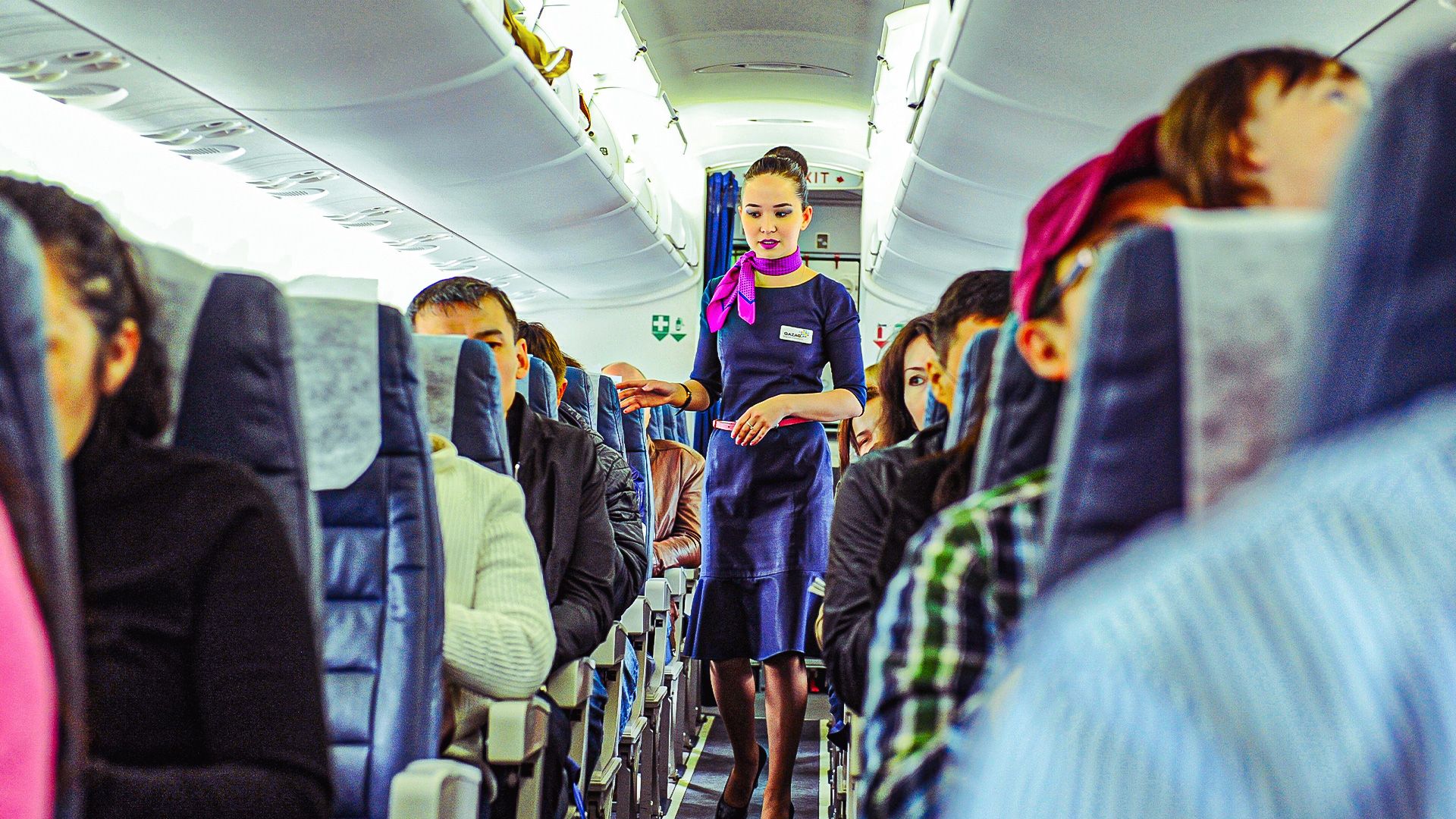
As passengers board aircraft, they often underestimate the crucial role that flight attendants play in ensuring their safety and comfort. Flight attendants are not simply customer service representatives; they are highly trained safety professionals who can respond to any emergency situation that may arise during a flight. Their primary responsibility is to provide safety and comfort for passengers on board, with safety being the top priority.
The history of flight attendants dates back to the early 1900s, when the first known flight attendant worked on airships. At that time, their role was to take away cigarettes and matches from passengers to prevent fires. Later, in the 1930s, flight attendants were nurses who could provide basic medical care and calm anxious passengers during turbulent flights.
Over the years, the focus of flight attendants has shifted from providing basic customer service to prioritizing safety and preventing accidents. Today, their role is more complex than ever, requiring them to be prepared for a wide range of emergency situations, including medical emergencies, fires, and evacuation procedures.
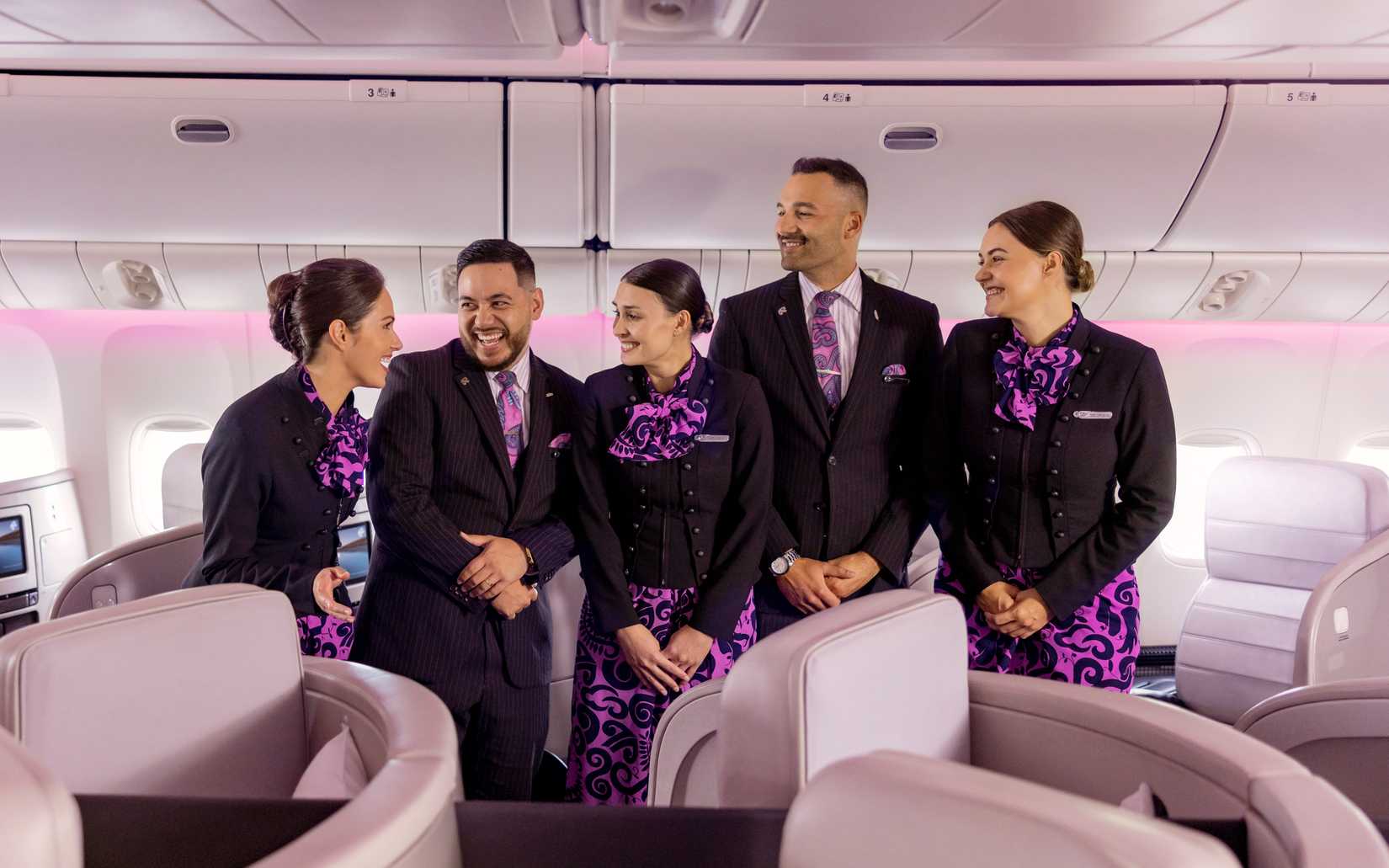
Flight attendants are also responsible for ensuring the efficient operation of the aircraft, which can be challenging given the limited time available during boarding and disembarkation. Any delay in these processes can result in significant financial losses for the airline, making it essential to minimize delays and maximize efficiency.
To help flight attendants save time and stay efficient during boarding, passengers can take several steps. Firstly, having their ticket ready for check-in can speed up the process, while also ensuring that they are on the correct flight. Additionally, stowing luggage promptly and avoiding standing in the aisle to retrieve items can prevent bottlenecks and delays.
Using the lavatory before boarding is generally recommended, as it reduces the risk of accidents during takeoff or landing when passengers may be more prone to motion sickness. Furthermore, waiting until the seatbelt sign is switched off to use the lavatory after takeoff minimizes disruptions to the flight crew's workflow.
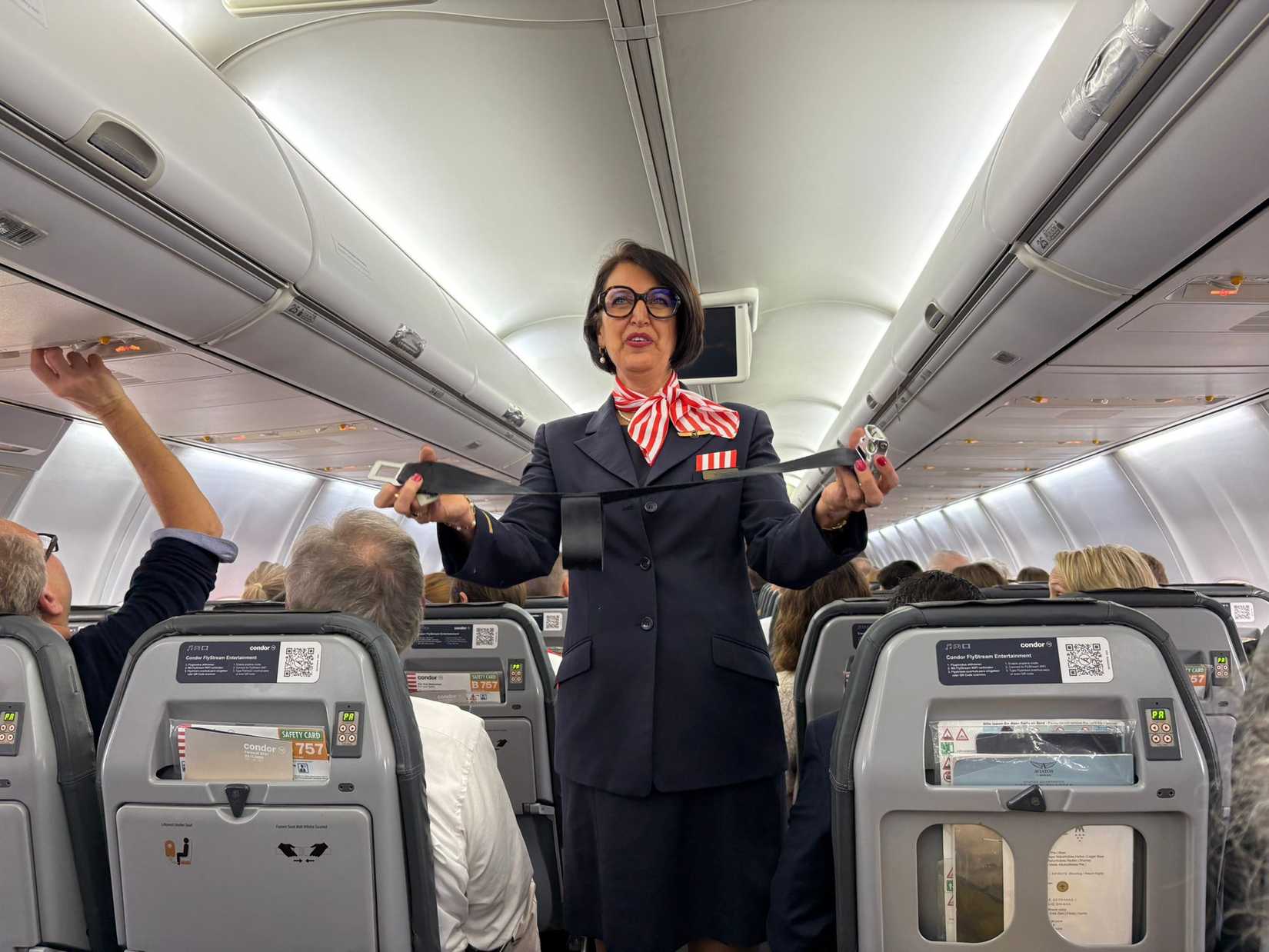
The safety demonstration is a critical aspect of flight attendants' training, but it often goes unnoticed by passengers. Despite its importance, many passengers tend to overlook this crucial step, assuming that they have already seen it before. However, the procedures and protocols outlined during the safety demonstration are essential for responding to emergencies in case something goes wrong.
It is essential for passengers to be aware of their surroundings and familiarize themselves with the aircraft's emergency exits, seats, and other critical features. This knowledge can help them respond quickly and effectively in an emergency situation, reducing the risk of injury or harm.
Ultimately, the success of a flight depends on the efficiency and effectiveness of the crew, including flight attendants. By working together, passengers and flight attendants can ensure a safe and enjoyable journey for everyone on board.
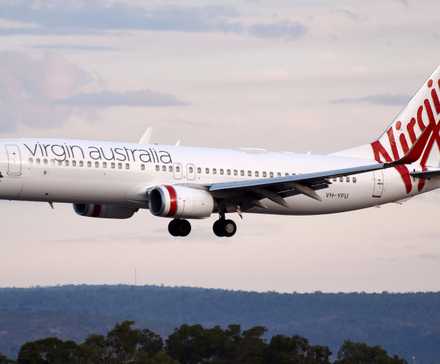
Flight attendants are highly trained safety professionals who prioritize safety above all else.