
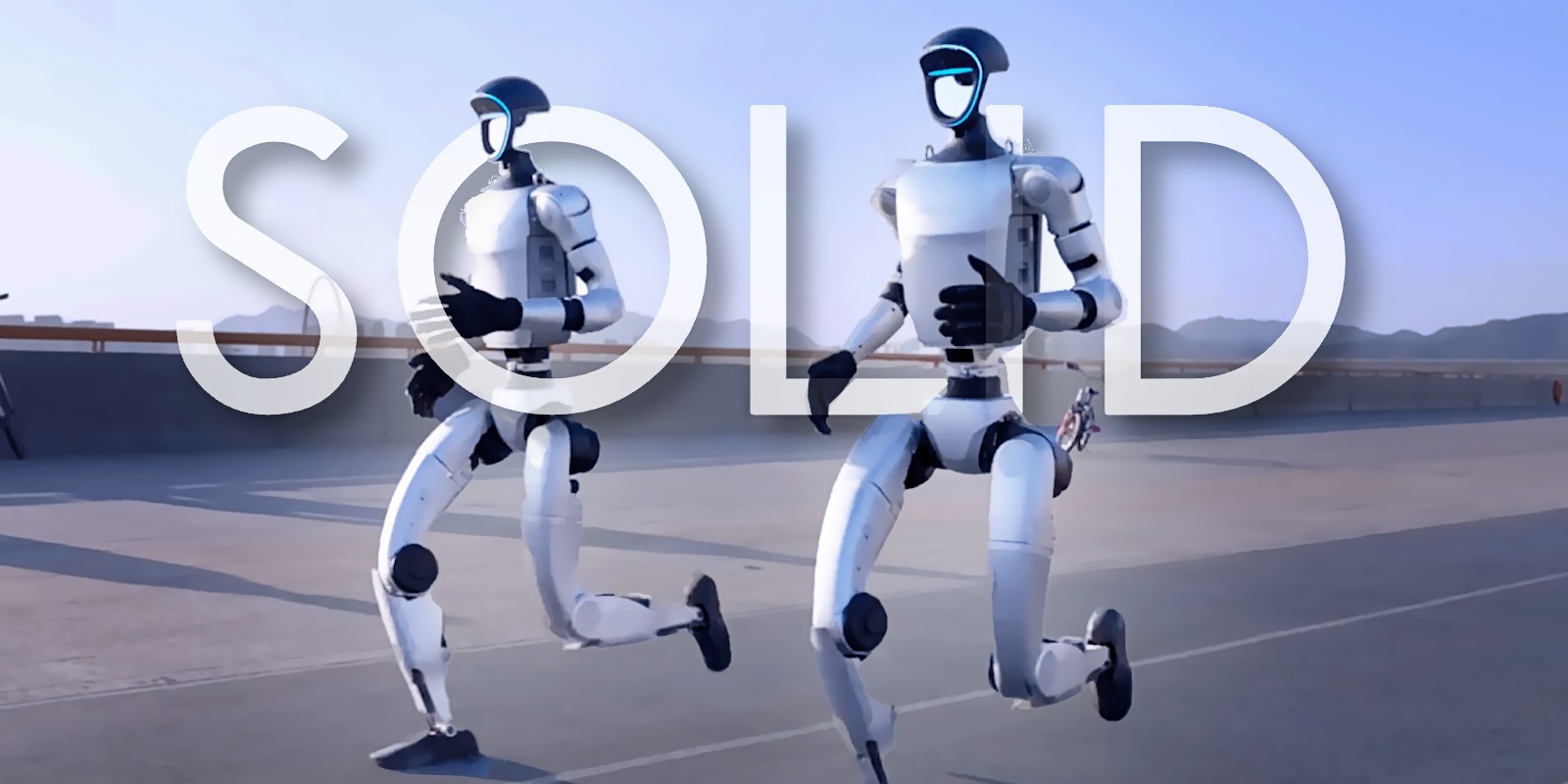
The market for humanoid robots is expected to experience significant growth, driven by the increasing demand for solid-state batteries. 2 GWh by 2035, representing a 1500x leap. This growth is expected to be driven by the need for more efficient and longer-lasting batteries to power these robots, which are designed to perform tasks that require high endurance.
The dominant power source for humanoid robots is high-nickel ternary lithium batteries, thanks to their higher energy density. However, lithium iron phosphate (LFP) batteries, being more affordable, are mainly used in service robots that do not require high endurance. Global shipments of humanoid robots are expected to exceed 50,000 units by 2026, with a year-over-year growth rate of over 700%.
85 kWh pack. 3 kWh high-nickel battery system, taps out after just two hours of dynamic work. For robots designed to replace employees that can stand, bend, twist, lift, and move for hours on end, this kind of battery performance won't do.
Energy-dense solid-state batteries, though, might make it good enough. These next-gen packs provide longer life with their higher energy density, making them a better solution than the current liquid lithium options. Additionally, these solid-state batteries also promise to be more stable, which improves safety and allows for the opportunity to move beyond today's 2-4 hour runtime limit without constantly swapping packs.
We're already seeing early solid-state adoption from major players like Xpeng with the HGR Iron and GAC with the GoMate. So, if the TrendForce forecast plays out, Tesla's decision to sunset its longest-running EVs in favor of robots may look less like a distraction and more like an early bet on big battery growth.
The increasing demand for solid-state batteries is driven by the need for more efficient and longer-lasting power sources in humanoid robots. As these robots become more prevalent, it's likely that we'll see further advancements in battery technology to meet their demands.