

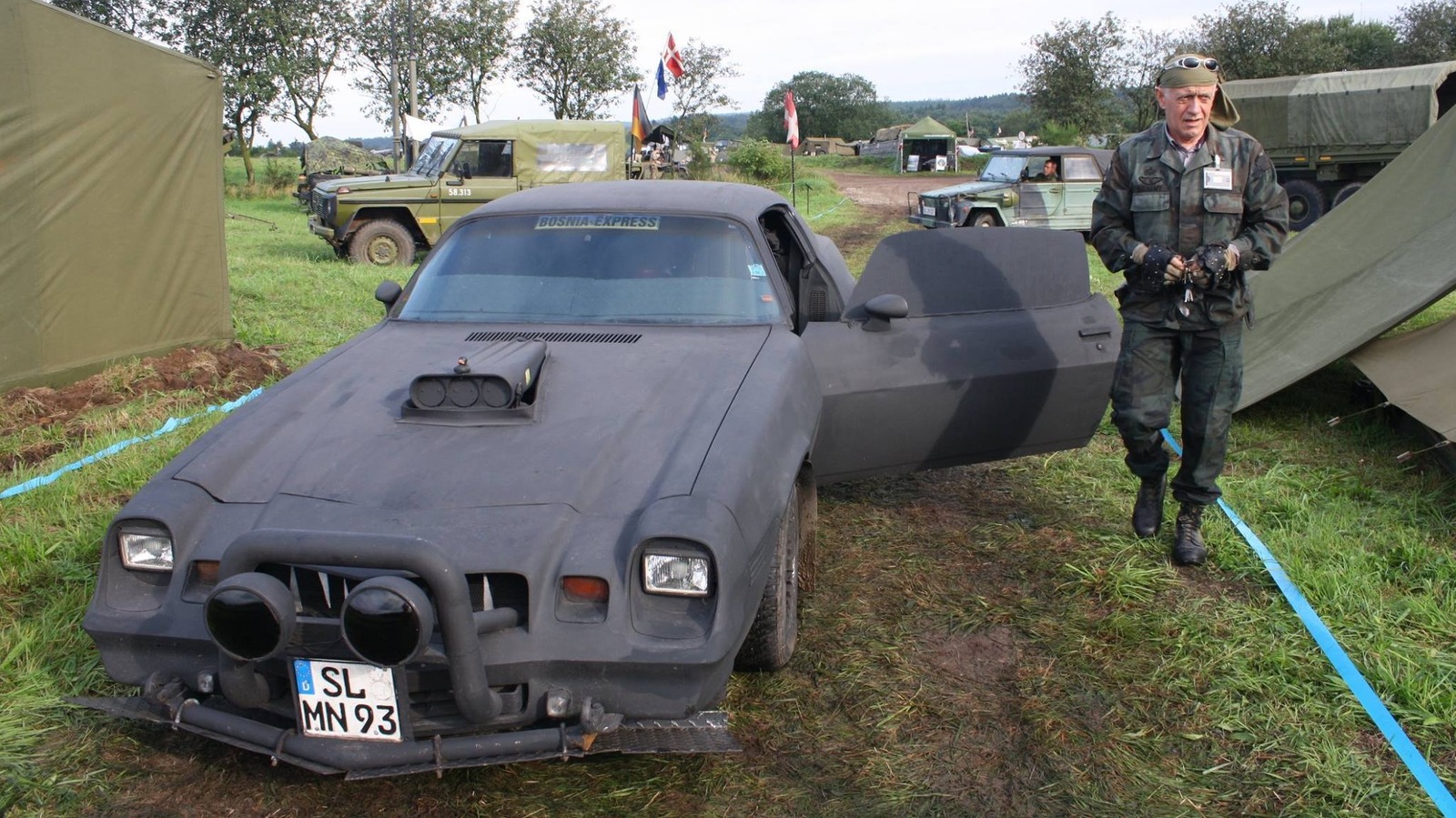
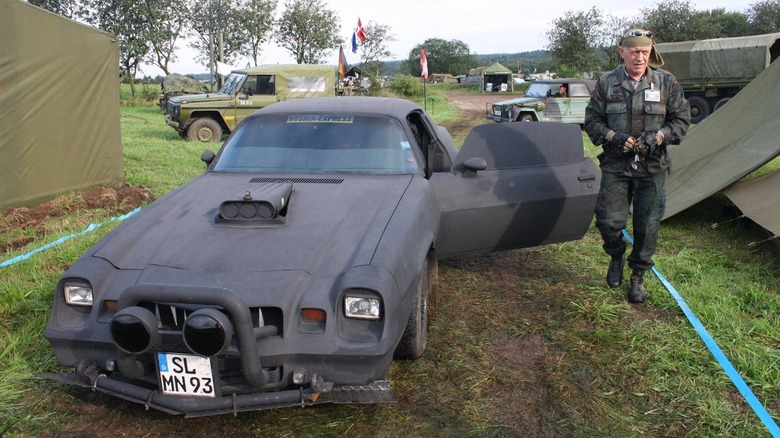
A modified 1979 Chevy Camaro, resembling a vehicle from the post-apocalyptic film Mad Max, played a crucial role in delivering humanitarian aid to a war-torn region during the Bosnian War. The story has been widely shared online, and a recent video release by Regular Car Reviews sheds new light on the hero's actions.
The driver behind this unconventional effort was Helge Meyer, a Danish Special Forces veteran with extensive military experience. Before acquiring the Camaro, Meyer had served in Operation Desert Storm in Kuwait and trained alongside U.S. Army Green Berets.
Meyer's background in counter-terrorism and special forces training equipped him to navigate high-pressure situations, making his decision to take on humanitarian aid delivery a calculated one. He was keenly aware of how to remain calm under fire, a skill that would prove essential during the Bosnian War.
The conflict in Bosnia was marked by widespread violence and attacks on civilians, with the United Nations struggling to deliver aid due to frequent raids and attacks. Meyer saw an opportunity to make a difference and created a plan to utilize his modified Camaro for humanitarian purposes.
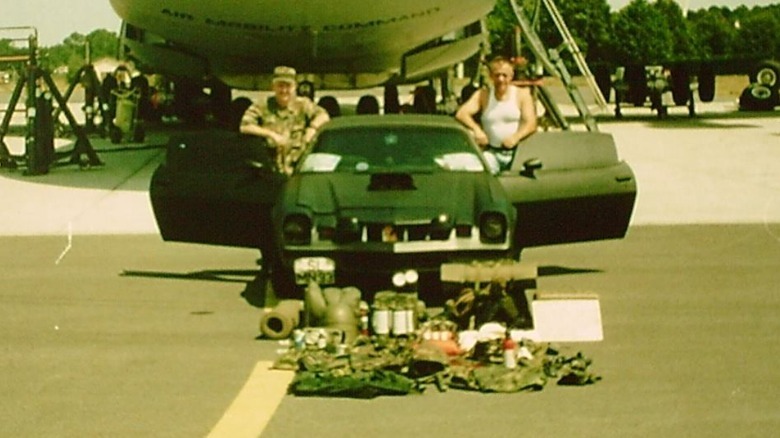
With the help of soldiers at the Rhein-Main Air Base near Frankfurt, Germany, Meyer modified the Camaro to withstand the harsh conditions of war. The vehicle was equipped with armor plating, including underbody protection, Kevlar panels in the doors, and a steel sheet replacing the back window.
The modifications made to the Camaro were extensive, weighing up to 882 pounds of cargo on top of the vehicle's original weight. To compensate for this added weight, Meyer tuned the engine to produce 220 horsepower, which doubled to 440 when the nitrous system was activated.
This increased power allowed the Camaro to accelerate to 125 mph in just 13 seconds, making it faster than most ground-based military vehicles. The vehicle's speed and maneuverability proved invaluable in navigating the war-torn terrain.
To minimize the risk of confrontation, Meyer employed a strategy of avoiding conflict whenever possible. By using his modified Camaro, he was able to deliver humanitarian aid without putting himself or others at risk.
The success of the Ghost Camaro project highlights the ingenuity and resourcefulness required to overcome seemingly insurmountable challenges in humanitarian aid delivery.
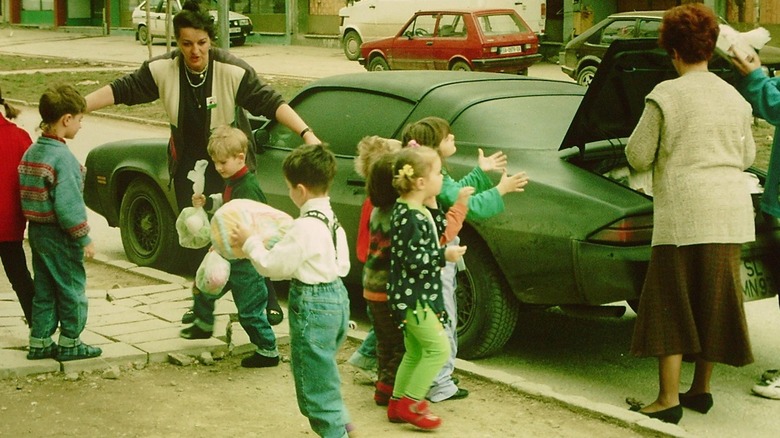
The use of modified vehicles like the Ghost Camaro highlights the importance of innovative solutions in humanitarian aid delivery.