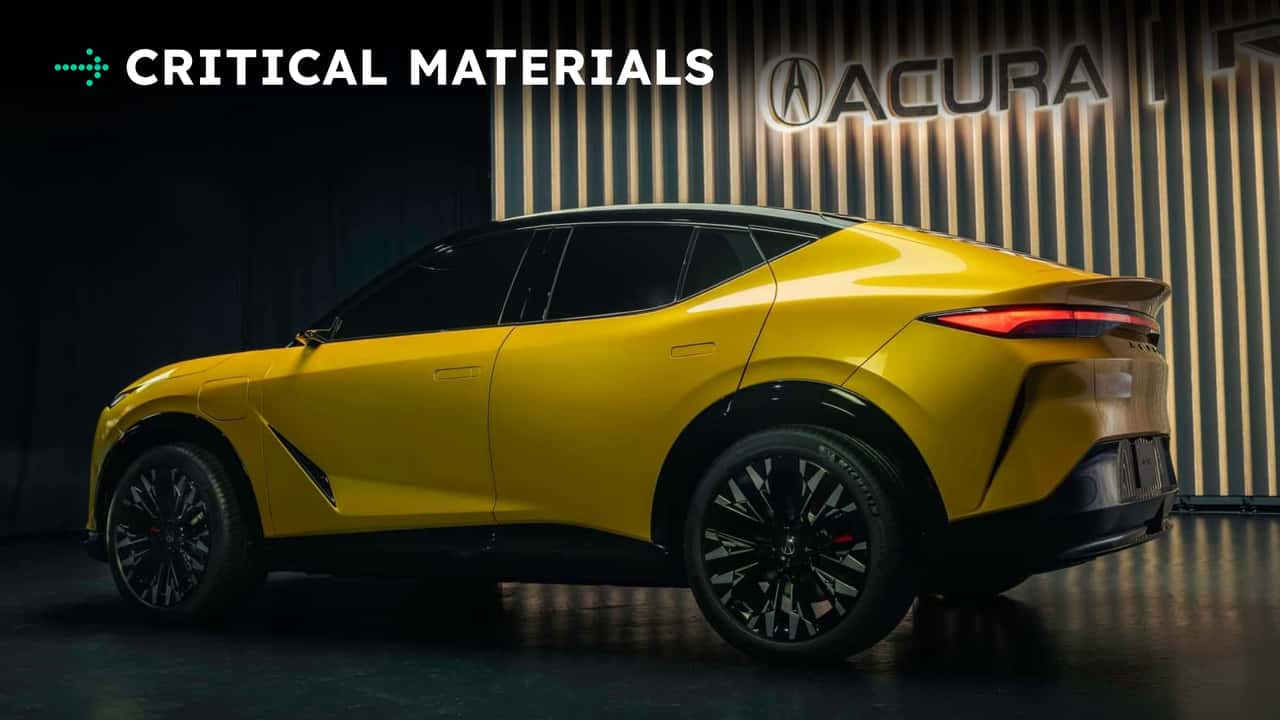
Acura dealers are expressing frustration regarding the brand's focus on electric vehicles (EVs), pointing to a larger issue within the automotive industry. The shift towards EVs has left many dealers feeling sidelined, as they grapple with the immediate demands of their customer base while the industry pivots towards a future dominated by electric options. This tension highlights a significant timing problem, as dealers are concerned that the rush to electrification may not align with consumer readiness or market demand.
In addition to the concerns surrounding Acura, the broader automotive market is facing challenges that are exacerbated by geopolitical tensions. Auto stocks have recently taken a hit, particularly in light of rising conflicts over Greenland, which have implications for various industries, including automotive supply chains. The uncertainty surrounding these geopolitical issues adds another layer of complexity to an already tumultuous market.
Dealers are calling for a more balanced approach that considers both the urgency of transitioning to EVs and the current needs of consumers who may not be ready to make the switch. This situation reflects a broader trend in the automotive sector, where manufacturers are racing to innovate while dealers are left to manage the immediate realities of sales and customer expectations.
As the industry navigates these challenges, it is essential for manufacturers to engage with their dealer networks to ensure alignment between production goals and market readiness. The current situation serves as a reminder that while the future of automotive transportation is undoubtedly electric, the path to that future must be carefully managed to avoid alienating existing customers and dealers alike. The timing of this transition is crucial, and a misstep could have lasting repercussions for the brand and the industry as a whole.