

The automotive industry has seen a significant change in color trends, with nearly 80 percent of new-car buyers opting for neutral hues such as white, black, or silver/gray. This trend is a reversal of the past two decades, where the palette was half as colorful.
This shift can be attributed to a cyclical desire to play it safe when purchasing an increasingly pricey and depreciating asset. Car dealers order neutrals because they know those sell best, while car shoppers buy neutrals to maximize resale value.
The exuberant consumer optimism of the 1950s led to the rise of bright pastel-colored vehicles, but this trend has been replaced by a more subdued approach. Likewise, the glossy whites of early-2000s tech devices like iPods and iMacs helped fuel white's rise to automotive prominence in the 2010s.

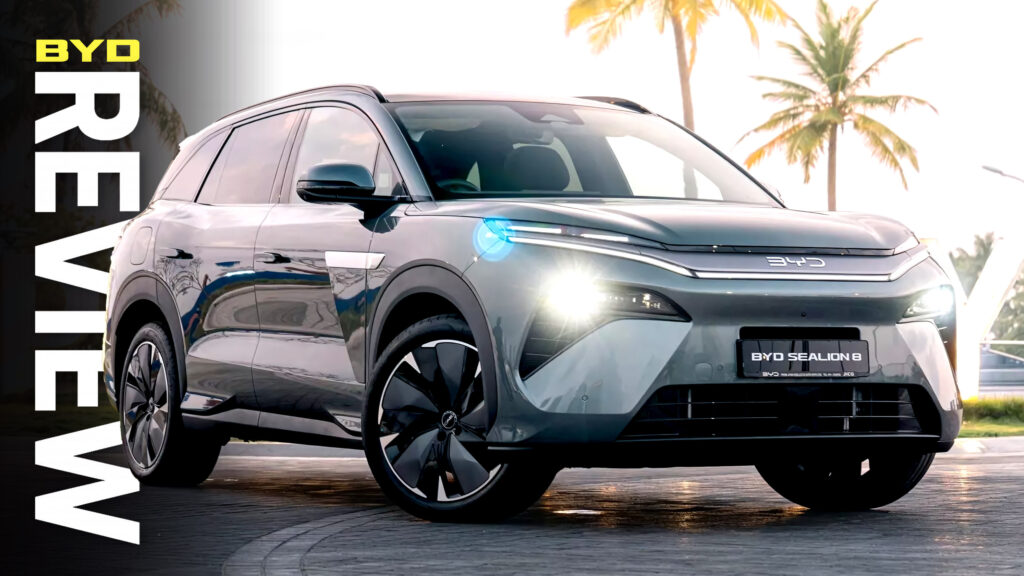
The emerging color trends for the next five years will be driven by a desire to connect with nature,. This is most notable in the rise of green, which has become the most dynamic chromatic mover worldwide.
Green's ascent is linked directly to the continued popularity of SUVs and crossovers, as well as the outdoorsy, ecological symbolism that dominates marketing imagery and buyers' self-image. Green signals individuality and a nature-linked aesthetic.
The soft green colors, such as PPG's color of the year 'Secret Safari,' which is described as 'organic' and 'mineral,' visually reflect efficiency, minimalism, and advanced mobility. These colors are likely to appear in the coming years.

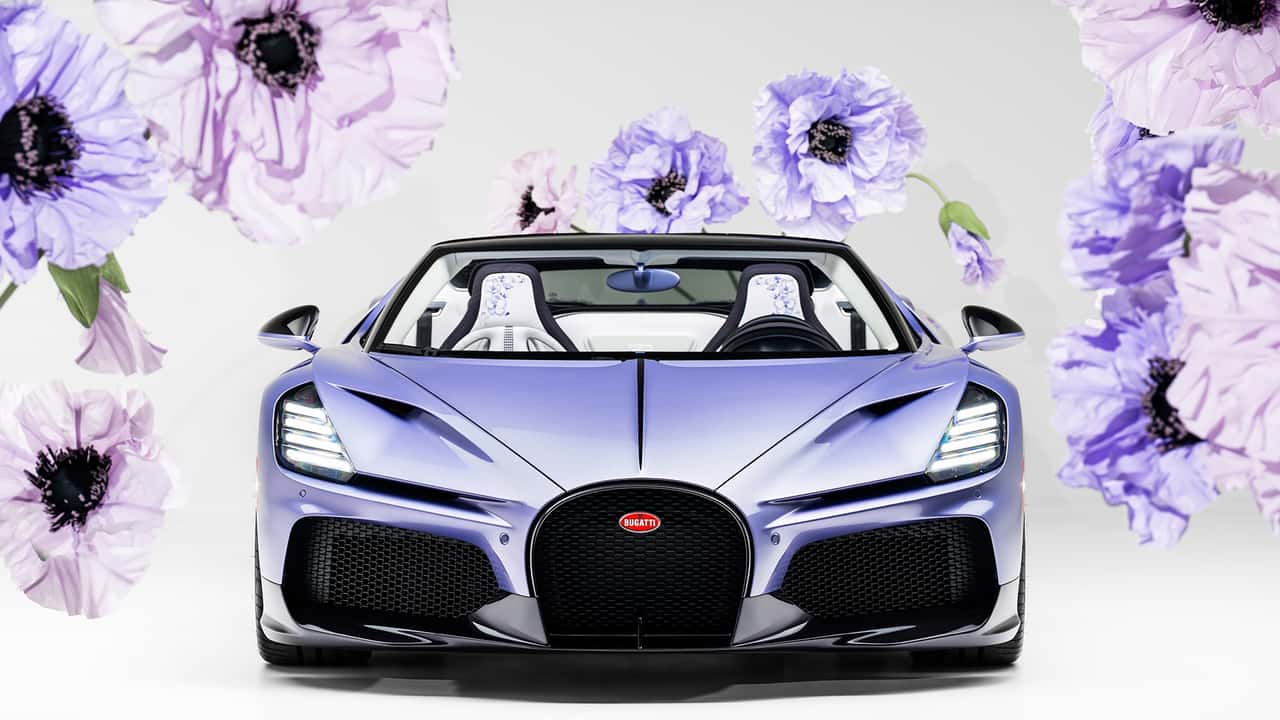
Deep violets are also emerging as signifiers of our attraction to the natural world or otherworldliness. Consumers have continued to be super interested in space and space travel, so we're seeing a rise in an intergalactic look.
This includes purplish blues that shift to black or have a star-like sparkle in them, leaning into tech-led fantasies for exploration and escape. The automotive industry is responding to this trend with colors like Dodge's Purple Haze and After Dark on its new Charger.
As the industry continues to evolve, it will be interesting to see how these emerging color trends impact car buyers' preferences and the overall aesthetic of the automotive market.

The shift towards more vibrant colors reflects a desire for self-expression and individuality in car buyers.