

The era of Western air dominance is coming to an end as a new generation of aircraft challenges the status quo. Air combat is evolving at an unprecedented rate, with global implications and far-reaching consequences for the world's most powerful militaries. The competition for supremacy in the skies is heating up, with stealthy fifth-generation fighter jets from China and other nations vying for dominance.
The ranking of the six aircraft that will define the future of air combat in 2026 is not based solely on raw performance figures but also on strategic influence, production momentum, and technological trajectory. This list spans four nations, three generations of fighter technology, and two sides of the most significant military aviation rivalry since the Cold War.
For the US military and its allies, every aircraft on this list has direct implications for force structure, procurement, and doctrine. The ranking is a reflection of the rapidly changing nature of modern air combat, where technological advancements and strategic considerations converge to shape the future of warfare.
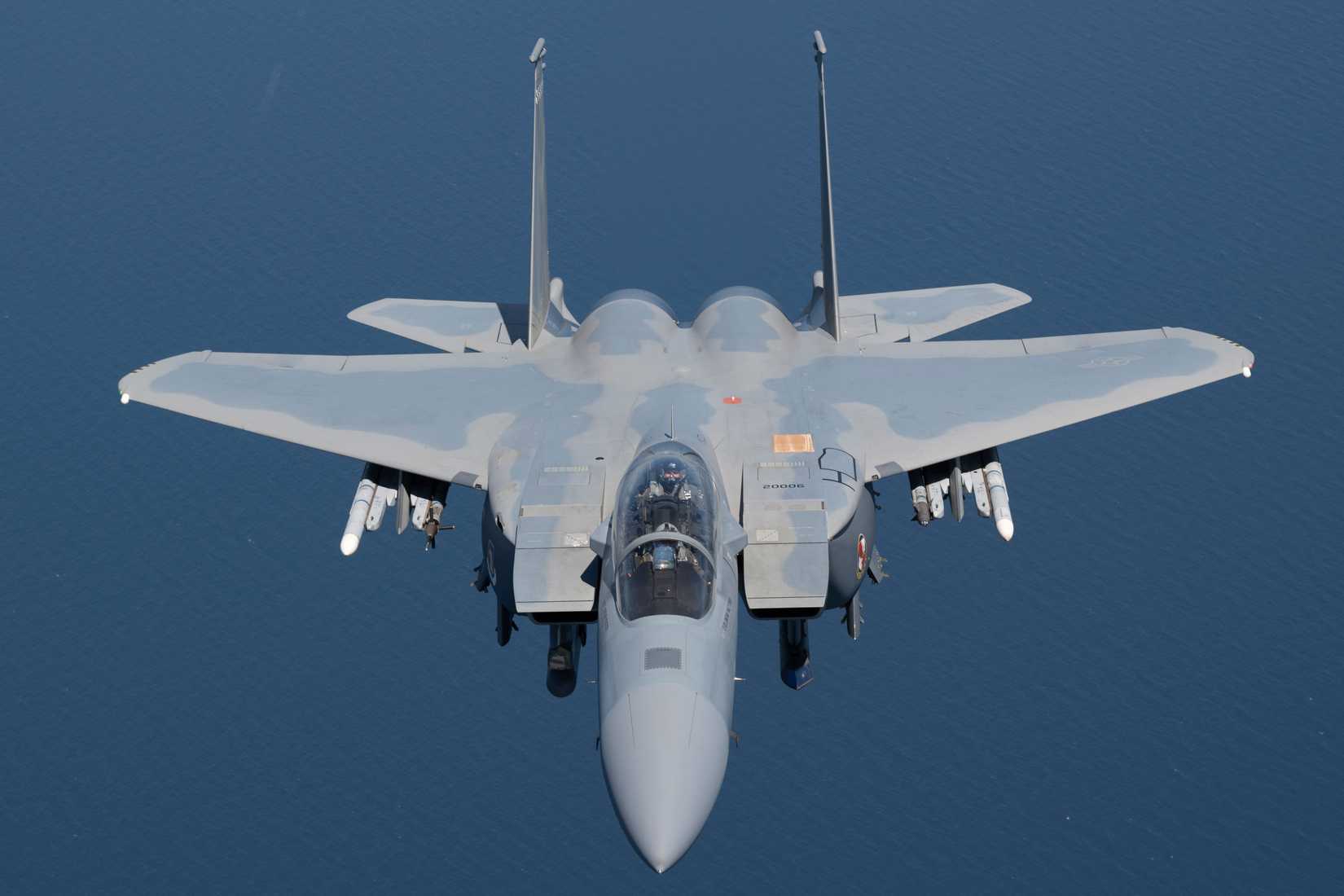
The Boeing F-15EX Eagle II may be perceived as an upgraded version of a legacy aircraft, but it is anything but. With its redesigned airframe rated for 20,000 flight hours, equipped with advanced radar and electronic warfare systems, and a digital fly-by-wire flight control system, the Eagle II is a formidable fighter that can carry up to 22 air-to-air missiles simultaneously.
The FY2026 defense budget reveals the US Air Force's commitment to the F-15EX, with $3 billion allocated for the procurement of 21 additional aircraft. This significant investment underscores the importance of the Eagle II in the US military's arsenal, particularly when compared to other advanced fighter jets like the F-35.
The F-15EX is not just a response to China's stealth capabilities but also a strategic move to maintain affordability and mass production alongside expensive low-observable jets. The aircraft's ability to adapt to various scenarios makes it an attractive option for the US military, which needs a balance between high-tech solutions and cost-effective options.
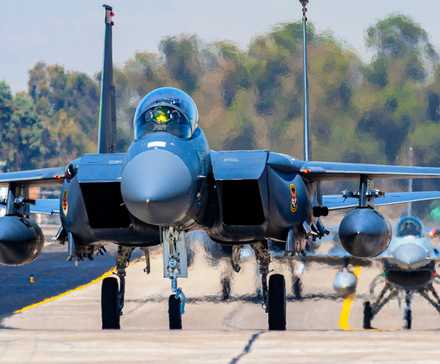
The F-15EX represents a compelling argument that the future of air combat does not belong exclusively to stealth platforms. Its affordability and versatility make it an essential component in the US military's arsenal, particularly when compared to more expensive low-observable jets.
As the US Air Force continues to develop its sixth-generation manned-unmanned teaming doctrine, the F-15EX is poised to play a critical role in this effort. The aircraft's ability to integrate with autonomous drone wingmen makes it an attractive option for future air combat scenarios.
The increasing complexity of modern air combat requires aircraft that can adapt to various scenarios, making the F-15EX a crucial component in the US military's arsenal. Its advanced capabilities and strategic considerations make it an essential part of the US Air Force's long-term plans for air power.

The increasing complexity of modern air combat requires aircraft that can adapt to various scenarios, making the F-15EX a crucial component in the US military's arsenal.