

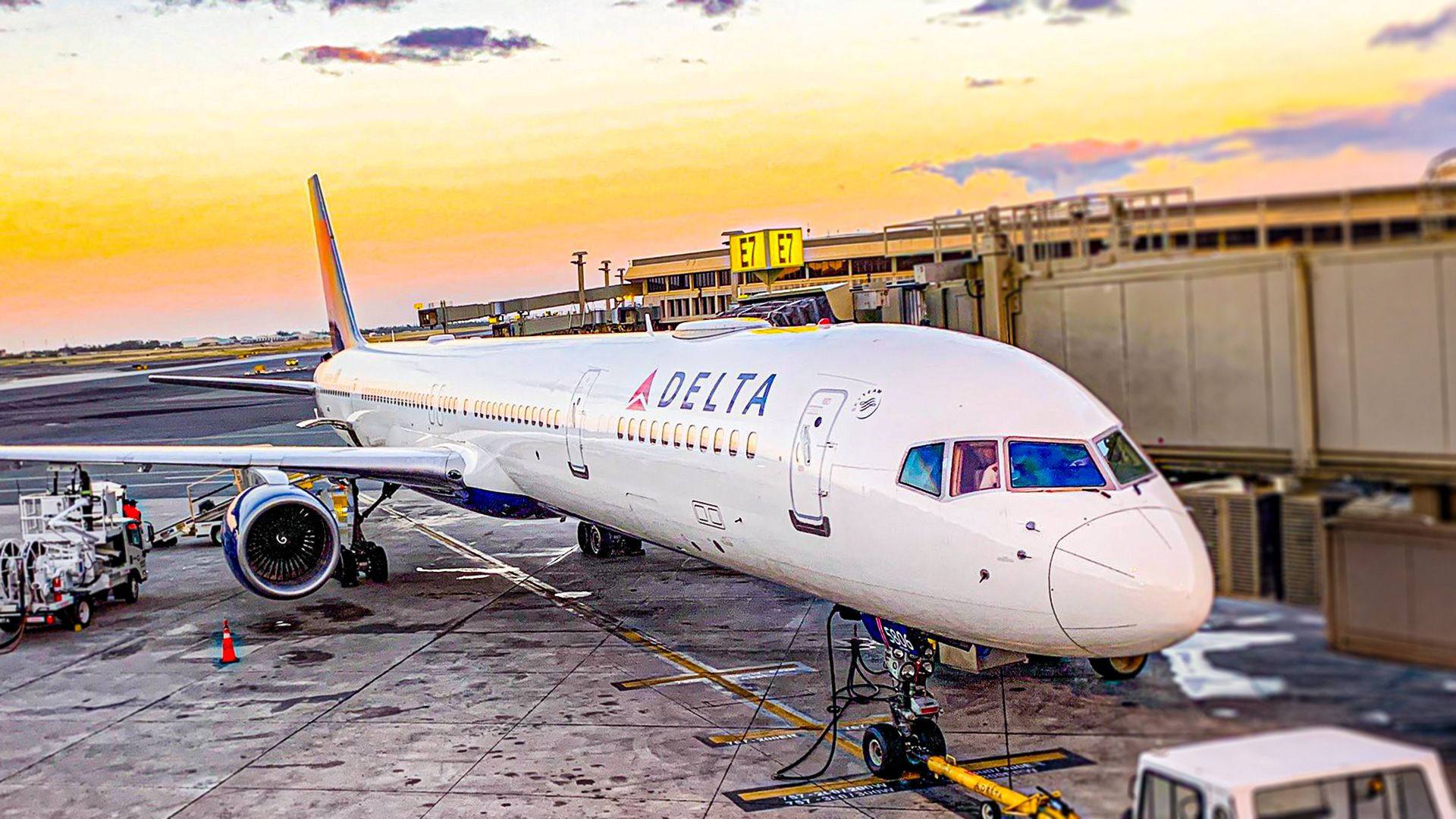
Despite being first introduced in the early 1980s and production halted in 2004, the Boeing 757 continues to fly, with over 400 aircraft still in service. The iconic plane has a significant presence across key routes for several airlines. Delta Air Lines holds the largest number of -200 variants, followed by FedEx Express and UPS Airlines.
The Boeing 757's enduring popularity can be attributed to its impressive reliability, versatility, and innovative technology. At the time of its release, the 757 was among the first to pioneer extended twin-engine operations alongside its larger counterpart, the 767. This allowed airlines to offer a range of seating configurations, from single-class layouts to multiple cabins.
The -200 variant could accommodate up to 235 passengers in a single-class layout, while the later -300 variant offered up to 289 seats. The aircraft's modern technology, including its electronic flight deck, further enhanced its appeal. This combination of factors made the 757 an attractive option for airlines operating across various routes.
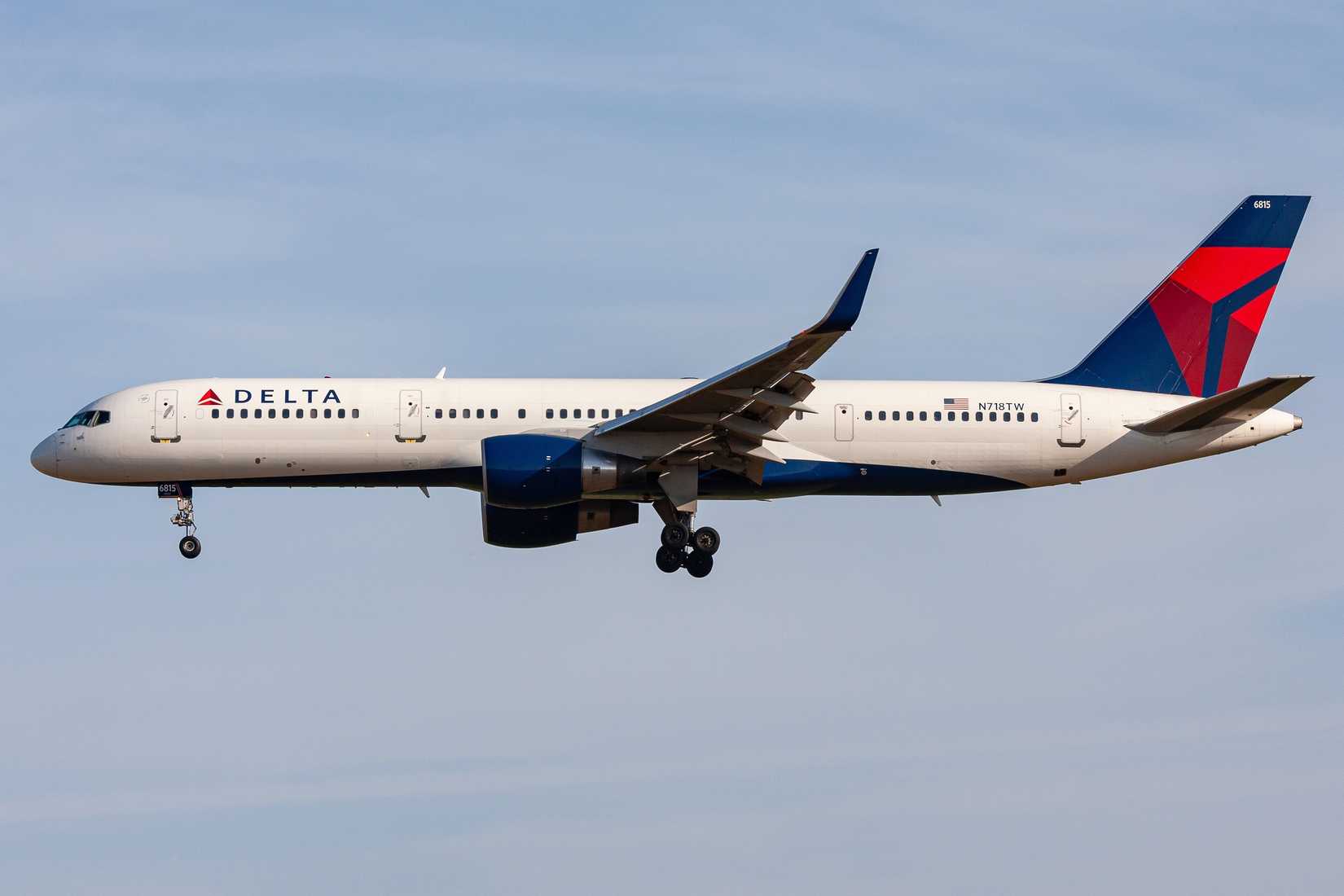
The 757's versatility and fuel efficiency were significant advantages in the past. It featured on transatlantic crossings, European city hops, and other regular routes, thanks to its short-takeoff capabilities and higher cruising altitudes. The aircraft's commonality with the larger 767 also improved appetite for it among airlines.
However, four decades later, newer models have become more fuel-efficient and comfortable. Yet, without a direct replacement from Boeing, the 757's still-impressive characteristics have kept it relevant. Airlines like Delta and United have opted to keep their 757s around due to their solid capacity and reliability.
For airlines operating on core hub-to-higher-traffic domestic airport routes, the 757's capacity makes it an ideal choice. As Delta notes, passengers may fly on this aircraft if they are flying between a core hub and a higher-traffic domestic airport. This solidifies the 757's position as a workhorse in the airline industry.
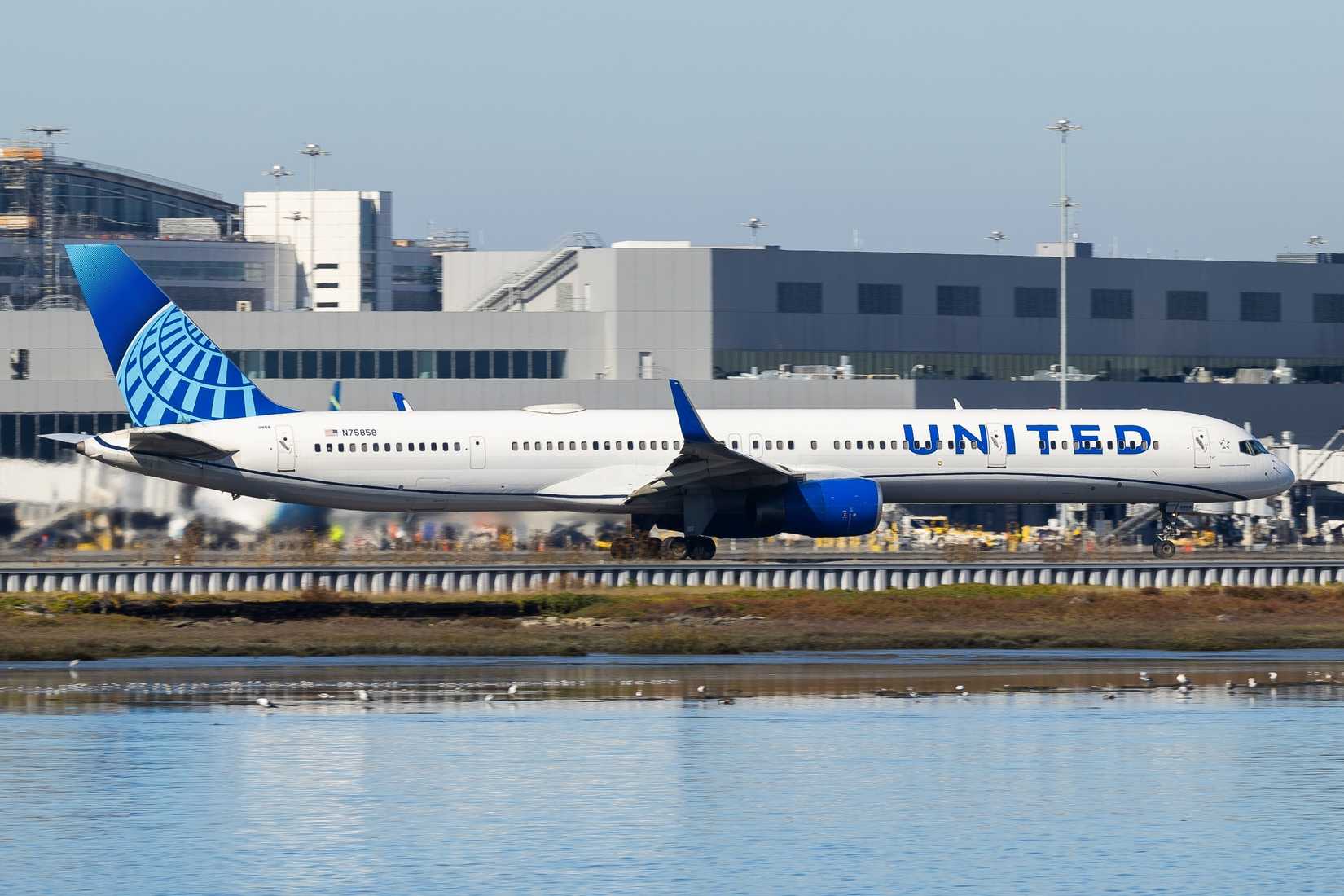
The largest operators of the Boeing 757 have been identified, with Delta Air Lines holding the most -200 variants and FedEx Express operating the most freighters. United Airlines follows closely behind with its 61 aircraft, while UPS Airlines boasts a fleet of 75 -300s.
Freight carriers like UPS and FedEx also operate dozens of 757s, highlighting the aircraft's versatility in the cargo industry. The philosophy behind their operations is similar to that of passenger airlines, prioritizing reliability and capacity over newer models.
As the airline industry continues to evolve, it will be interesting to see how the Boeing 757 fits into the future. With its impressive track record and enduring popularity, it's likely that the aircraft will remain a staple in the skies for years to come.

The 757's enduring popularity stems from its impressive reliability, versatility, and innovative technology.