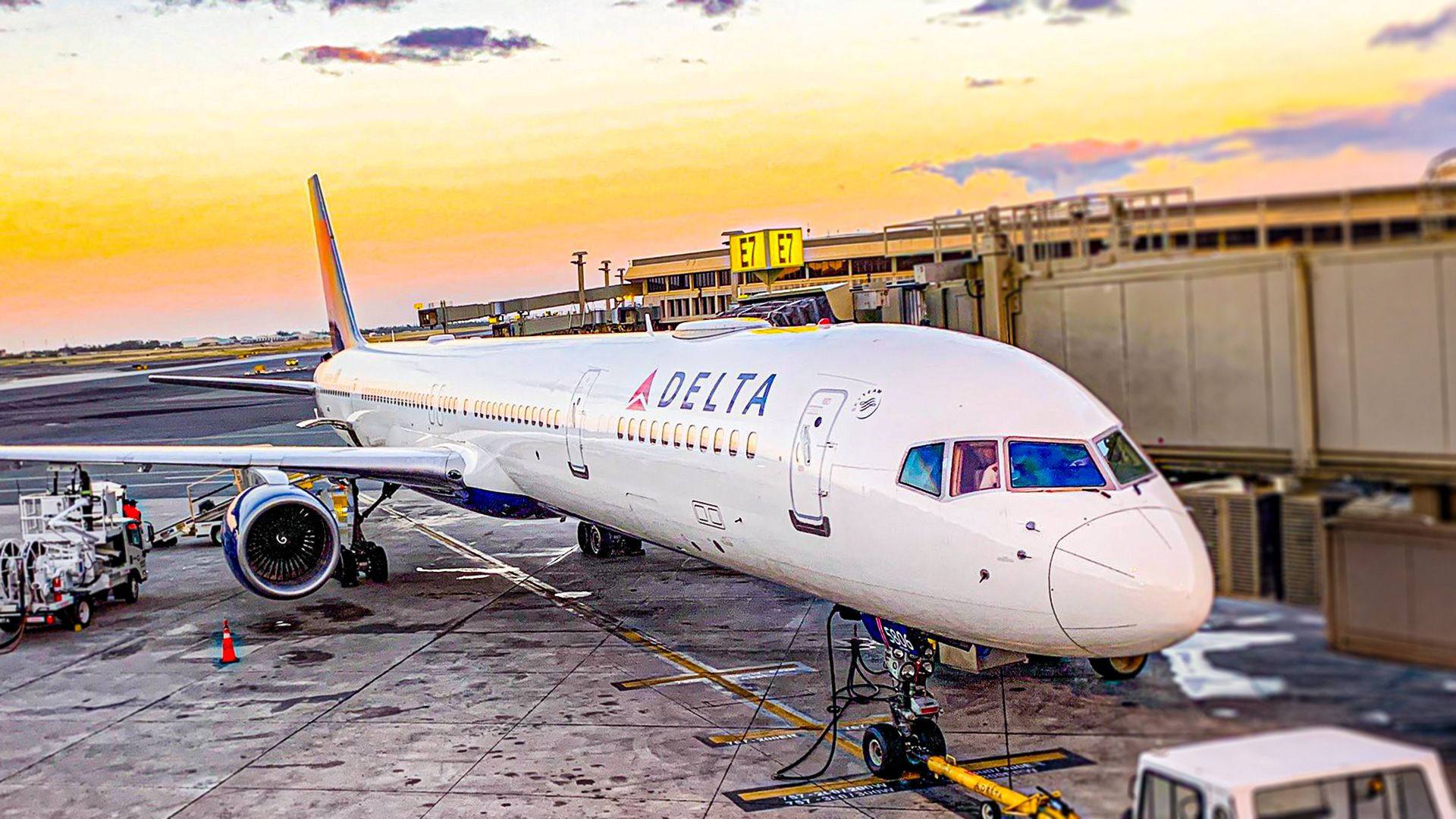

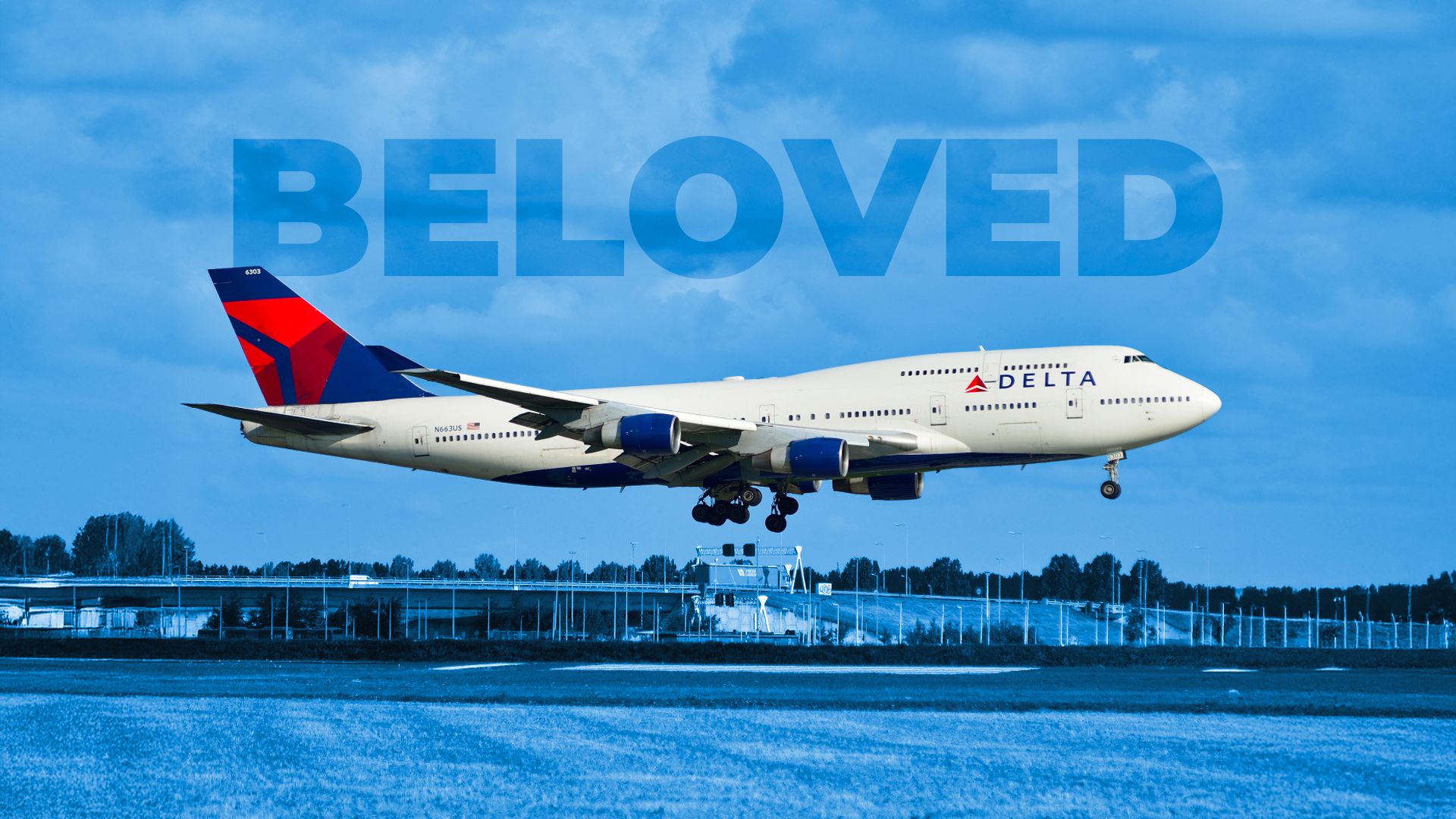
In recent years, the Boeing 747 has experienced a resurgence in popularity among passengers and aviation enthusiasts alike. The aircraft's final departure from Delta Air Lines in December 2017 was met with significant demand, with all seats booked on its last flight from Detroit to Seoul. Despite this, the airline ultimately decided to retire the aircraft due to increasing operational costs.
The Boeing 747-400 model remained a popular choice for Delta's transoceanic routes, attracting healthy passenger loads and generating profitable belly cargo revenue. However, the aircraft's higher fuel consumption and complex maintenance requirements made it less economical than newer widebody options like the Airbus A350-900. As a result, the airline was forced to weigh its operational costs against demand.
The fleet of Boeing 747s at Delta consisted of only single digits, with the next round of heavy-maintenance checks becoming increasingly expensive. The aircraft's beloved status among passengers and employees could not compensate for its rising maintenance costs, which ultimately made it no longer viable for the airline's bottom line.
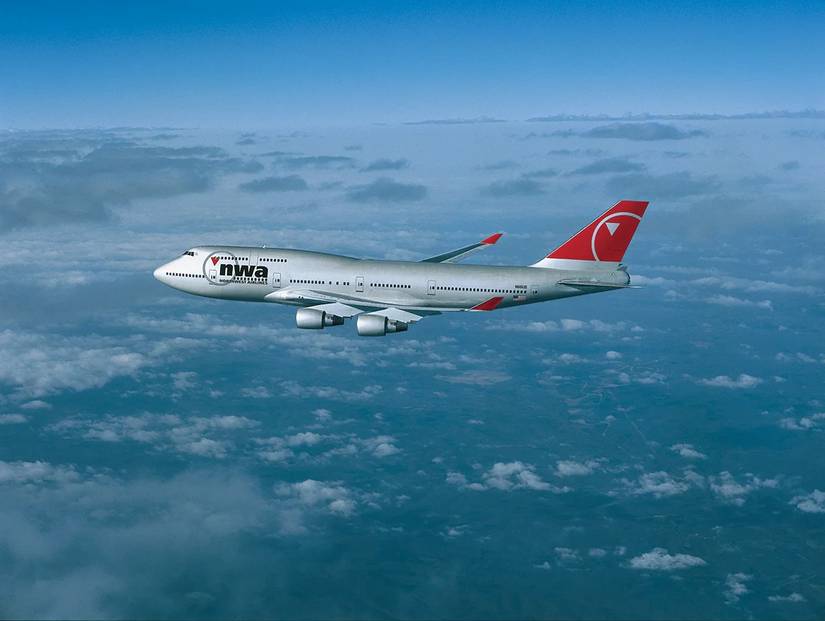
Delta's decision to keep the 747-400 models gained from Northwest Airlines during their merger in 2008 was a key factor in extending the aircraft's lifespan. The new airline had a Pacific network that was significantly larger than anything Delta had operated before, and the 747s proved essential in maintaining capacity on transpacific routes without compromising seat or cargo volume.
Northwest Airlines had spent decades building its network from Detroit, Minneapolis, and Seattle to Tokyo, Seoul, Shanghai, and other key Asia-Pacific cities. The Boeing 747-400 was the primary aircraft used to serve these routes, offering a combination of capacity and range that proved essential in maintaining the network's integrity.
The merger with Northwest presented Delta with a unique challenge: maintaining its transpacific network without compromising capacity or range. The airline could not simply add extra flights to make up for the difference between its 777-200ER and the 747's lower-deck cargo volume, making the aircraft essential in protecting the network sold to customers.
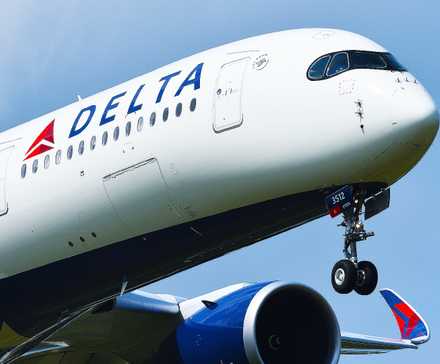
As one of the last major US carriers to operate the Boeing 747, Delta's decision to retire the aircraft marks a significant shift in the airline industry. With many carriers increasingly prioritizing fuel efficiency and cost-effectiveness over nostalgic appeal, the retirement of iconic aircraft like the 747 serves as a reminder of the ever-changing landscape of commercial aviation.
The legacy of the Boeing 747 will undoubtedly continue to be felt in the airline industry for years to come. As airlines continue to adapt to changing market demands and technological advancements, it is likely that we will see more carriers following Delta's lead and retiring iconic aircraft like the 747.
In conclusion, the retirement of the Boeing 747 marks a significant milestone in the history of commercial aviation. While the aircraft may be gone from Delta's fleet, its enduring legacy will continue to inspire future generations of pilots, passengers, and aviation enthusiasts alike.
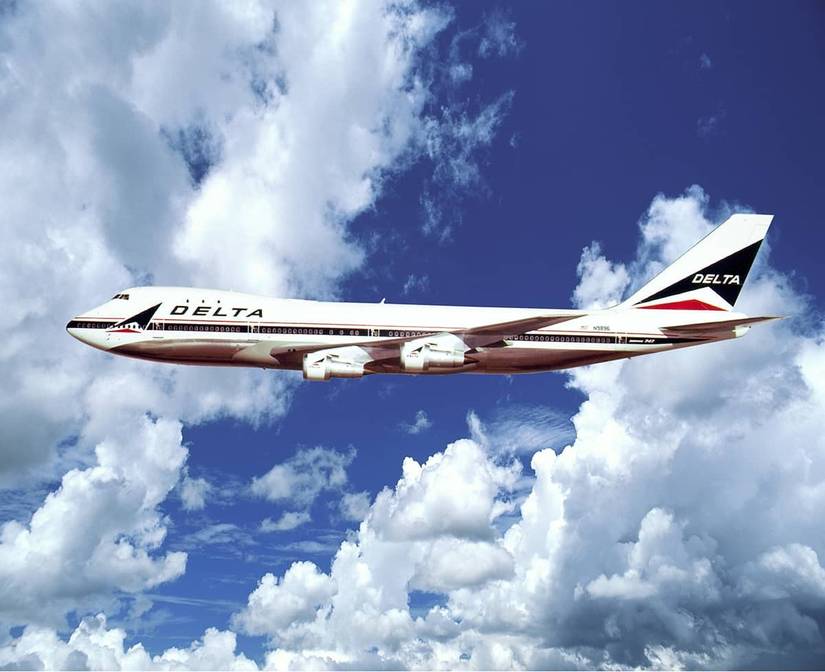
The retirement of the Boeing 747 marks a significant shift in the airline industry, as carriers increasingly prioritize fuel efficiency and cost-effectiveness over nostalgia for iconic aircraft.