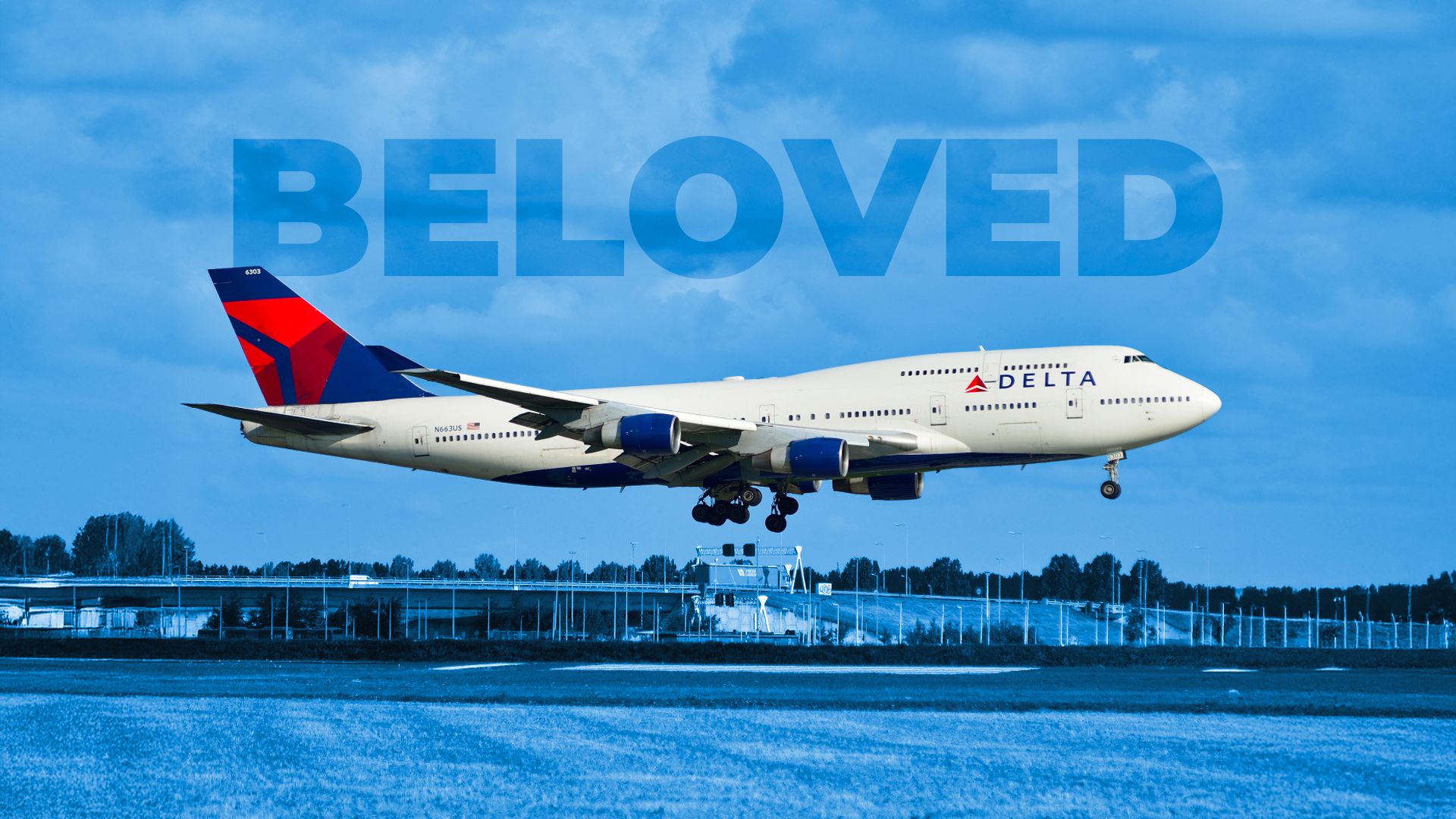


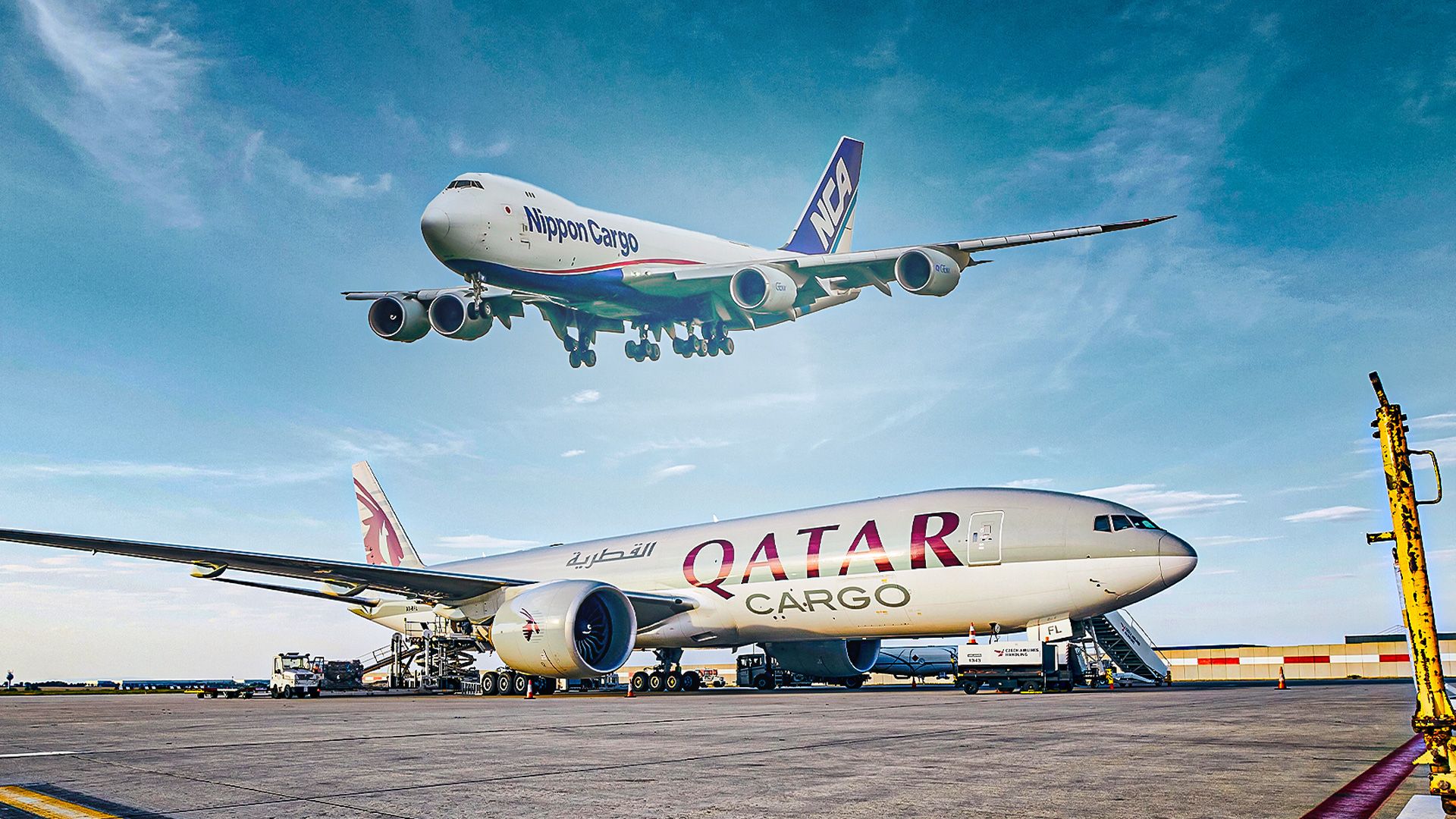
The global logistics industry is currently navigating a period of profound structural change as the era of four-engine heavy freighters begins to see its end. The Boeing 747 has spent half a century as the undisputed Queen of the Skies, but the rise of the twin-engine Boeing 777F has now challenged the necessity of four engines for long-haul cargo operations.
For operators, the choice between these two dictates whether they can handle a high-priority shipment of industrial turbines or if they are better suited for the high-volume, lower-density world of modern e-commerce. As we look at the specifications that define these machines, we see a clear picture of how Boeing has managed to dominate the freighter market by offering two very different solutions for the world's complex supply chains.
The Boeing 747-8F and the 777F exist at the very top of the commercial freight hierarchy, yet they handle the physics of heavy lifting in very different ways. The 747-8F is the clear heavy lifter of the pair, capable of carrying a maximum revenue payload of approximately 137 tons (274,000 lbs).
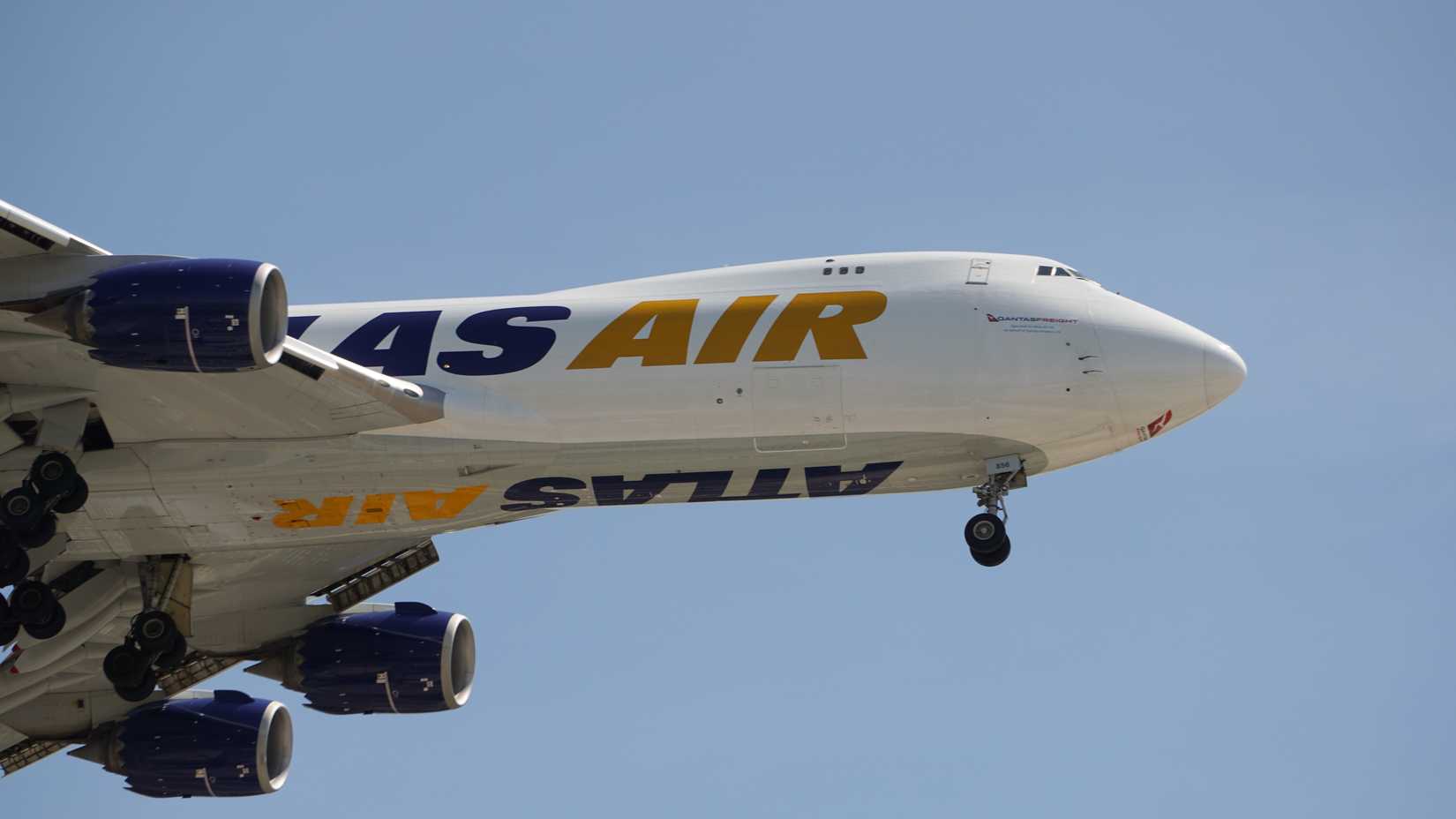
This massive capacity is enabled by four General Electric GEnx engines, providing the raw thrust necessary to lift nearly 302,000 pounds of revenue cargo. In comparison, the 777F is optimized for a different kind of operation, offering a maximum payload of around 102 ton (224,900 lbs).
The difference in total cargo volume is equally significant when planning complex logistics chains. The 747-8F offers a staggering 853 cubic meters of total revenue volume, providing approximately 16% more space than the older 747-400F.
This volume allows for the carriage of 34 standard pallets on the main deck alone, making it the primary choice for volume-heavy industries like automotive manufacturing or high-fashion logistics. The 777F, while smaller, still manages to offer 653 cubic meters of volume , accommodating 27 standard pallets on its main deck.
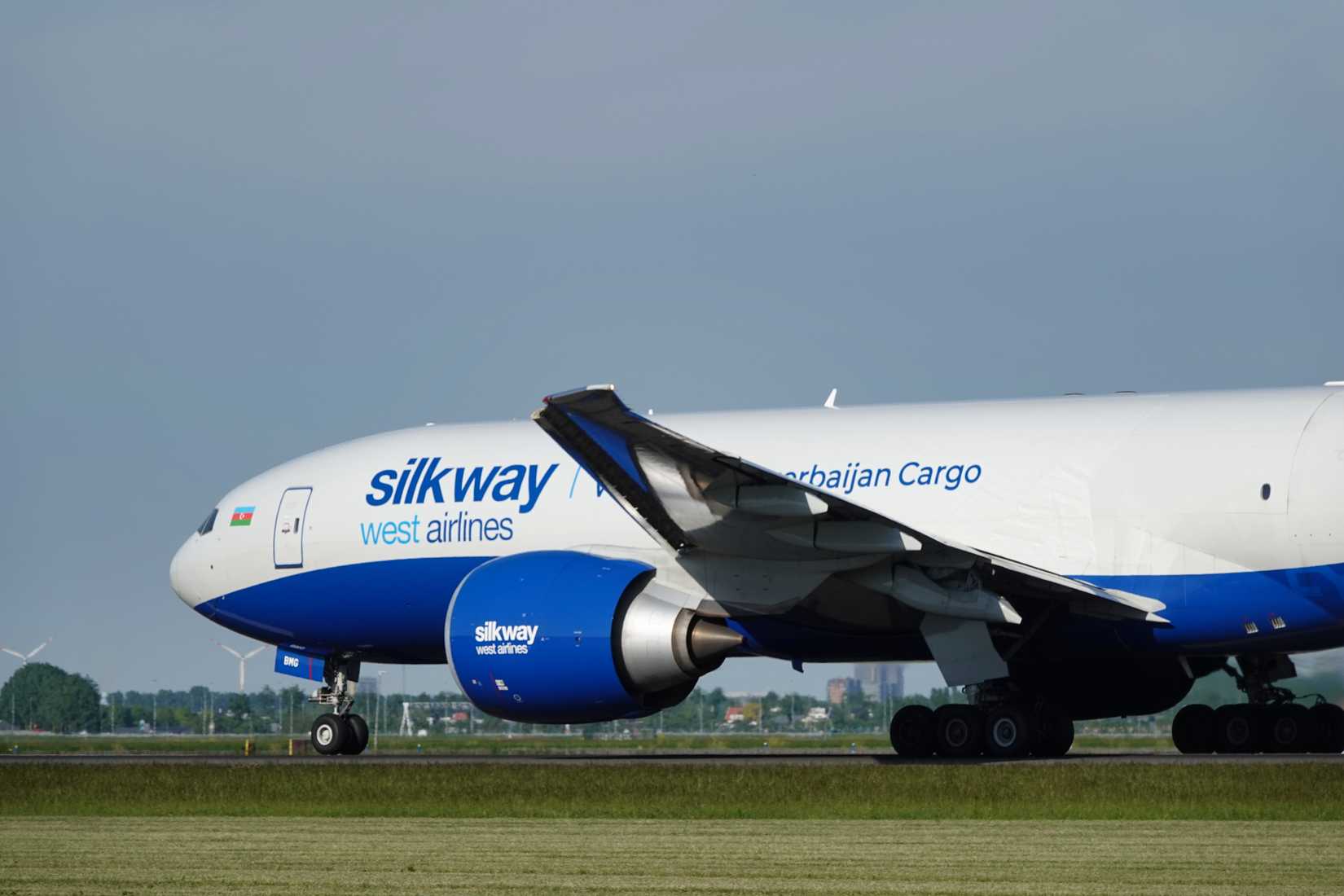
For many airlines, the 777F represents a sweet spot in the market, as it can carry almost the same payload as a 747-400F but with 30% less fuel consumption. This efficiency makes it an attractive option for carriers looking to reduce their operating costs.
The 747-8F is often used to reach its maximum weight limit before its physical space is filled, which is common when transporting heavy machinery. Conversely, the 777F is frequently seen filling volume on e-commerce routes, where the volume of lightweight parcels fills the hold before the weight limit is ever reached.
This distinction is why major global integrators often maintain a mixed fleet, using the 777F for the consistent, high-volume flow of small packages and reserving the 747-8F for heavy, dense industrial loads. As a result, airlines are able to optimize their operations and provide more efficient services to their customers.
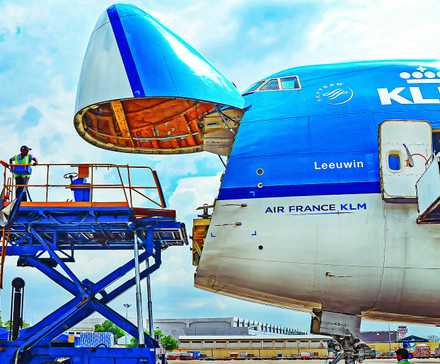
The rise of twin-engine freighters like the Boeing 777F challenges traditional four-engine heavy freighter dominance.