

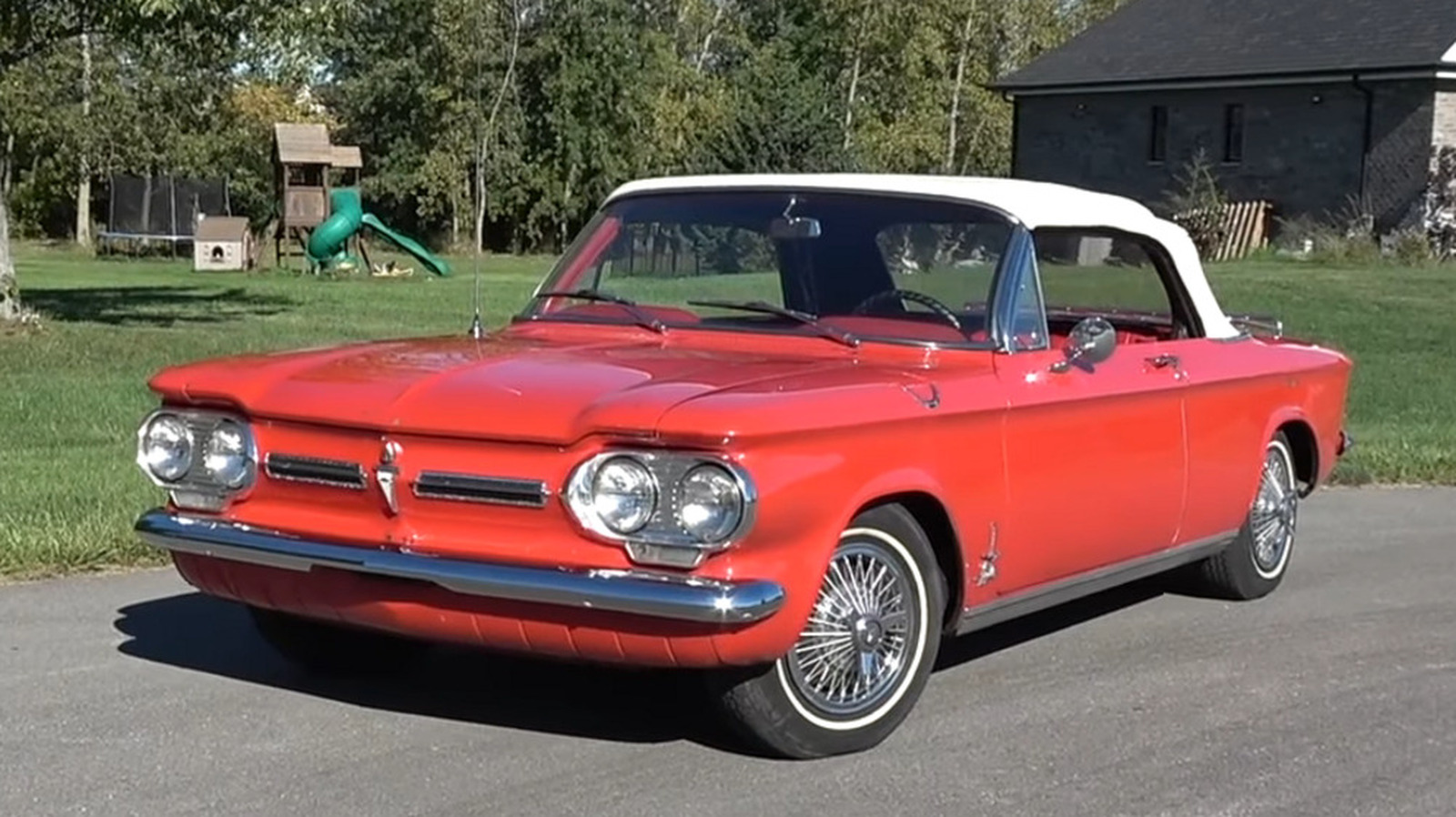
The 1960s saw a significant milestone in the automotive industry with the introduction of turbocharged cars by General Motors. In 1962, GM brought two vehicles, the Chevrolet Corvair and the Oldsmobile Jetfire, to market with forced induction systems. This was a bold move that would have far-reaching consequences for the company's reputation and safety standards.
The Corvair, in particular, was plagued by issues with its suspension, which was deemed 'wobbly, uncomfortable, unresponsive, and downright unstable' by Car Throttle. This led to Ralph Nader's ire, as he criticized GM for cutting corners on the car's rear suspension, knowing it would lead to severe oversteer in heavier models.
The Corvair's design was inspired by European rear-engine models, such as those from Porsche, Tatra, and Volkswagen, which had gained popularity during World War II. However, the Corvair's flat-six engine and unique turbocharger system set it apart from its competitors.
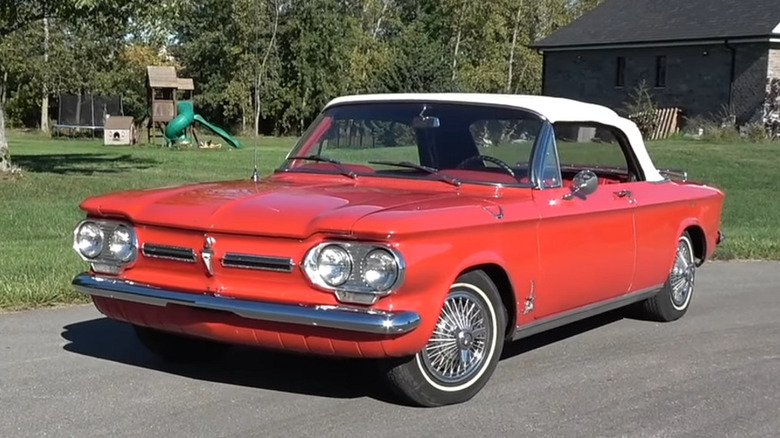
Despite its innovative approach to performance, the Corvair struggled with efficiency, particularly when compared to rival four-cylinder compacts. To address this, GM introduced the Chevy II in 1962 as a traditional compact model, allowing the Corvair team to focus on performance and paving the way for future models.
The Corvair's turbocharged Spyder was launched in 1962, marking a significant step forward for the company in terms of performance. However, the Jetfire's forced-induction system proved to be a dead-end due to its complexity and reliance on engine additives.
The Corvair's safety concerns were further exacerbated by its heavier rear end, which led to severe oversteer in certain conditions. This issue was not addressed until the federal government ruled that Corvairs were no more dangerous than other cars of the era.
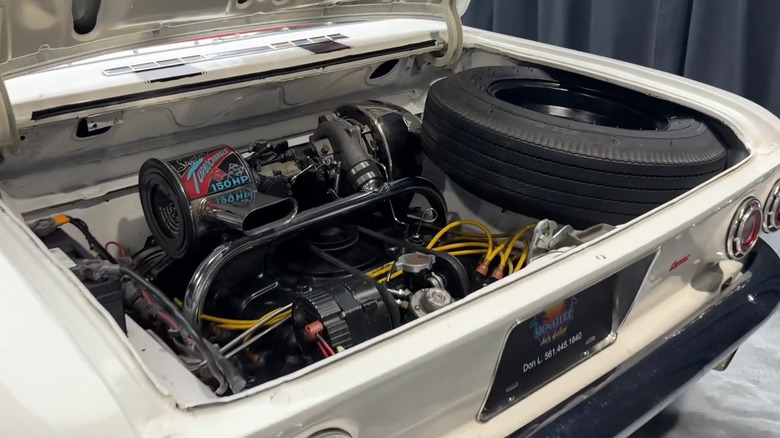
GM's decision to introduce turbocharging to mass-produced cars was a significant moment in automotive history, but it also highlighted the importance of safety and reliability in car design. The Corvair's struggles with suspension and efficiency served as a cautionary tale for future generations of engineers.
The Corvair's legacy extends beyond its own model line, influencing the development of future GM vehicles and shaping the company's approach to performance and safety. Despite its flaws, the Corvair remains an important footnote in automotive history, marking a turning point in the industry's shift towards lighter, more compact cars.
Today, the Corvair is remembered as a pioneering effort in turbocharging, but also as a reminder of the importance of careful design and testing to ensure safety and reliability. As the automotive industry continues to evolve, it is essential to learn from the successes and failures of the past.
The introduction of turbocharging to mass-produced cars marked a significant shift in the automotive industry, but it also raised concerns about safety and reliability.