
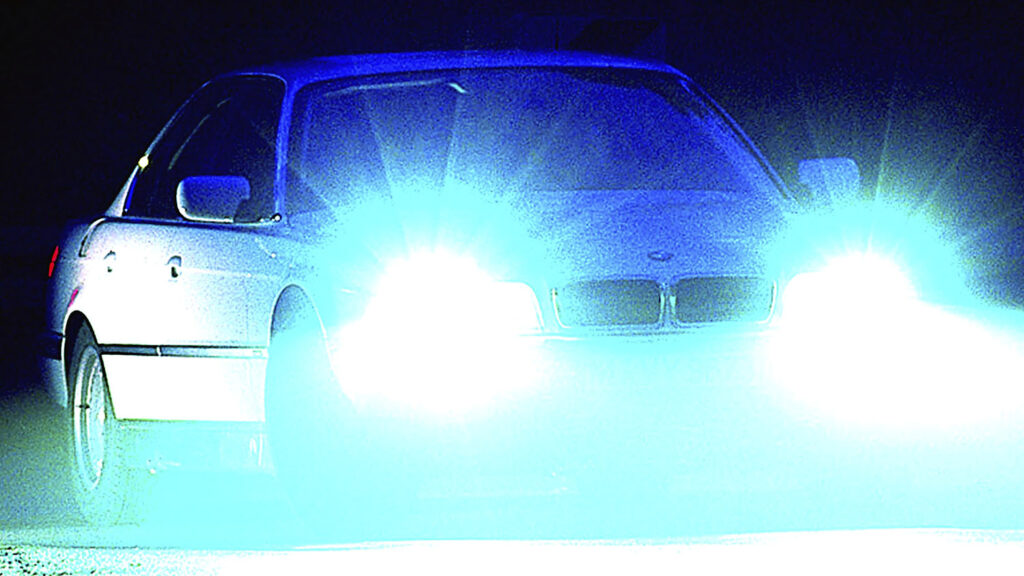
As night falls and headlights shine bright, many drivers find themselves squinting through oncoming traffic. This phenomenon has become increasingly common, with some drivers claiming that they are not imagining the glare. In reality, this is a result of the growing number of vehicles on the road, which has led to an increase in blind spots. With more cars, trucks, and motorcycles sharing the same space, the risk of a driver being unable to see another vehicle or pedestrian increases significantly.
The issue of blind spots is not new, but it has become more pressing with the rise of autonomous vehicles and advanced safety features. While these technologies aim to improve visibility and reduce accidents, they also create new challenges for human drivers. As vehicles become more complex, the need for safe driving practices and awareness of one's surroundings becomes even more crucial.
The problem is not just limited to daytime driving; it is equally prevalent at night. The combination of oncoming headlights and the driver's own vehicle lights creates a blinding effect that can make it difficult to see other vehicles or pedestrians. This is particularly true for drivers who are not accustomed to driving in low-light conditions.
In recent years, there have been several high-profile accidents involving blind spots. These incidents highlight the importance of being aware of one's surroundings and taking steps to mitigate the risk of a collision. While technology can play a role in improving safety, it is ultimately up to individual drivers to be vigilant and take responsibility for their own driving.
So what can drivers do to reduce the risk of blind spots? One solution is to adjust their mirrors and check their blind spots regularly. This simple practice can help drivers stay aware of their surroundings and avoid potential hazards. Additionally, drivers should consider adjusting their vehicle's settings to improve visibility, such as using high-beam headlights when safe to do so.
Another key factor in reducing the risk of blind spots is driver awareness and training. Many driving schools and organizations offer courses on defensive driving and awareness, which can help drivers develop the skills they need to stay safe on the road.
Furthermore, the rise of autonomous vehicles has led to a renewed focus on blind spot safety. As these vehicles become more prevalent, it is essential that human drivers are aware of their limitations and take steps to mitigate the risk of accidents. This includes being mindful of blind spots and taking regular checks to ensure visibility.
Ultimately, reducing the risk of blind spots requires a combination of technology, driver awareness, and responsible driving practices. By working together, we can create a safer and more aware road user community.
As drivers continue to navigate the complex landscape of modern transportation, it is essential that they prioritize their own safety and the safety of others on the road. By being aware of blind spots and taking steps to mitigate the risk of accidents, we can reduce the number of collisions and create a safer driving experience for all.
In conclusion, the rise of blind spots is a pressing issue that requires attention from drivers, manufacturers, and policymakers alike. By working together and prioritizing safety, we can create a more aware and responsible road user community.
The increasing number of vehicles on the road is leading to a rise in blind spots, making it more difficult for drivers to stay safe.