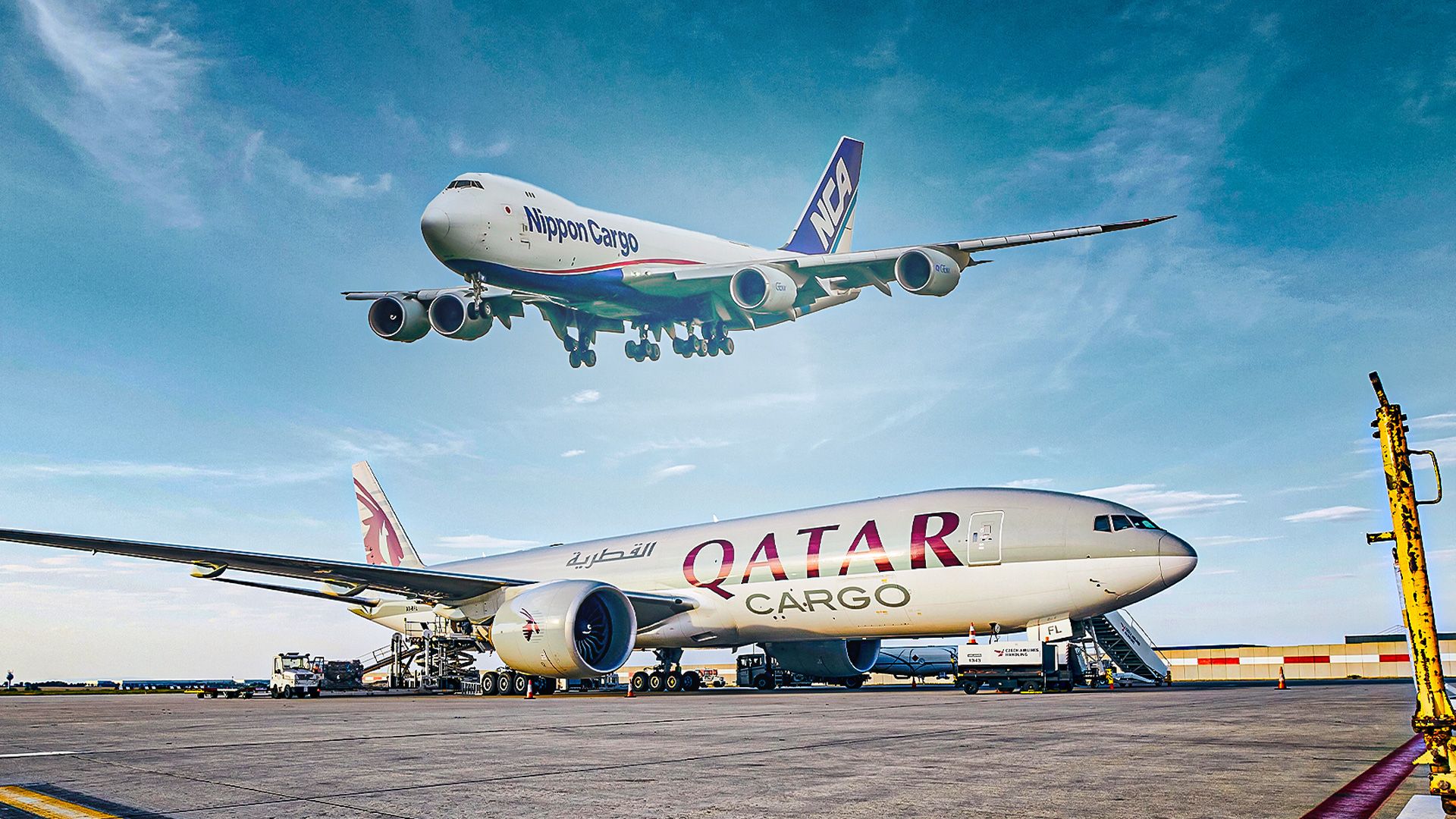



The global commercial aviation industry is dominated by two manufacturers: Airbus and Boeing. While most large airlines operate mixed fleets, a noticeable pattern has emerged over time in which some carriers tend to favor one manufacturer over the other. This preference is rarely arbitrary. Instead, it reflects a complex set of operational, economic, technological, and strategic considerations that influence long-term fleet planning.
Choosing between Airbus and Boeing is not simply about comparing aircraft performance. Airlines must evaluate how new aircraft integrate with existing fleets, how pilots are trained, how maintenance systems are structured, and how relationships with manufacturers evolve over time. Factors such as fleet commonality, cockpit philosophy, regional partnerships, and mission-specific aircraft capabilities all play a role.
Fleet commonality is one of the most important factors influencing airline preferences. It refers to the degree to which the aircraft within a fleet share similar systems, components, and operating procedures. High commonality allows airlines to reduce costs across maintenance, training, and logistics.
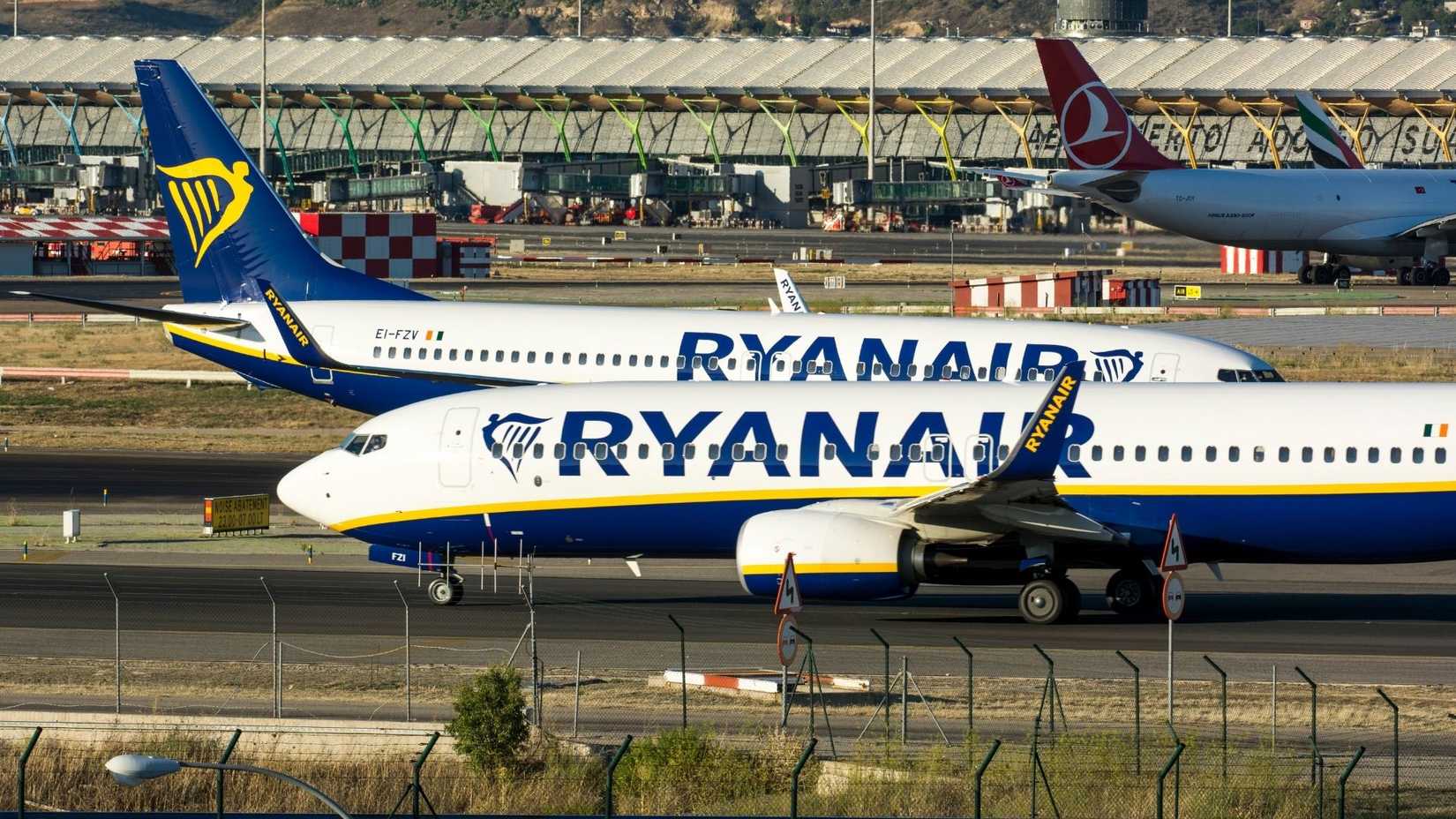
Operational flexibility is another major benefit. Aircraft with similar configurations can be swapped between routes with minimal disruption. This is especially valuable during irregular operations, such as weather delays or mechanical issues, when airlines need to adapt quickly.
Financially, fleet commonality enables airlines to achieve economies of scale. Large orders from a single manufacturer often come with significant discounts and favorable service agreements. Over time, these savings compound, making it more attractive to continue purchasing from the same supplier.
While mixed fleets can provide some flexibility, they also introduce complexity. Managing different maintenance procedures, training programs, and spare parts inventories increases costs. As a result, many airlines choose to standardize around either Airbus or Boeing wherever possible.
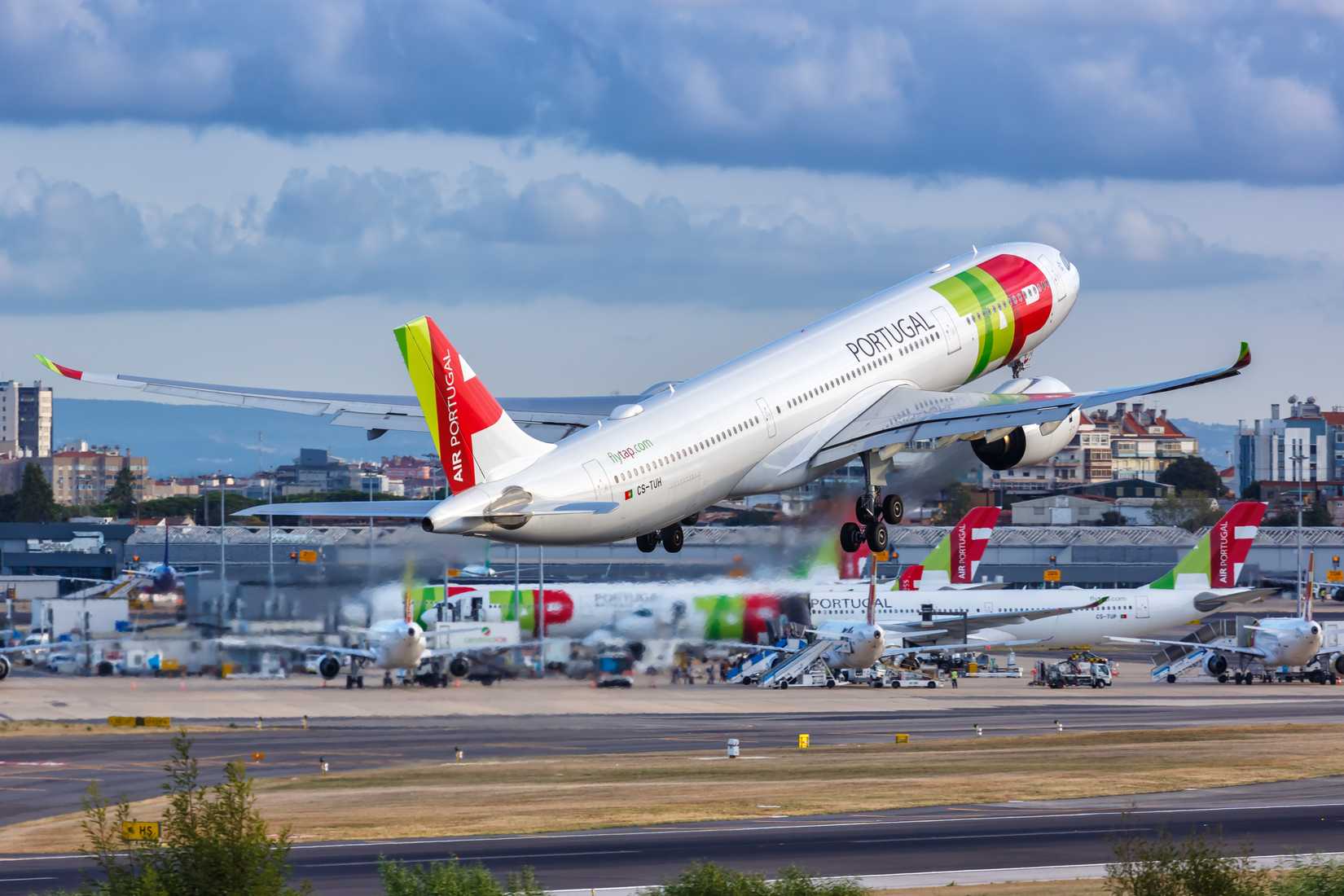
Pilot training is another critical aspect of airline operations that affects fleet choices. Airlines must ensure that pilots are trained on the same aircraft type and systems to maintain safety standards. This can lead to increased costs for pilot training programs if multiple manufacturers are involved.
The strategic relationships between airlines and manufacturers also play a significant role in fleet decisions. Airlines often prefer to work with a single manufacturer to simplify logistics, reduce inventory costs, and negotiate better maintenance contracts.
Ultimately, the choice between Airbus and Boeing depends on a carrier's specific needs and priorities. By understanding the key dimensions that influence fleet choices, airlines can make informed decisions that balance operational efficiency with strategic considerations.

The preference for one manufacturer over another can have significant implications for airline operations, from maintenance costs to pilot training.