
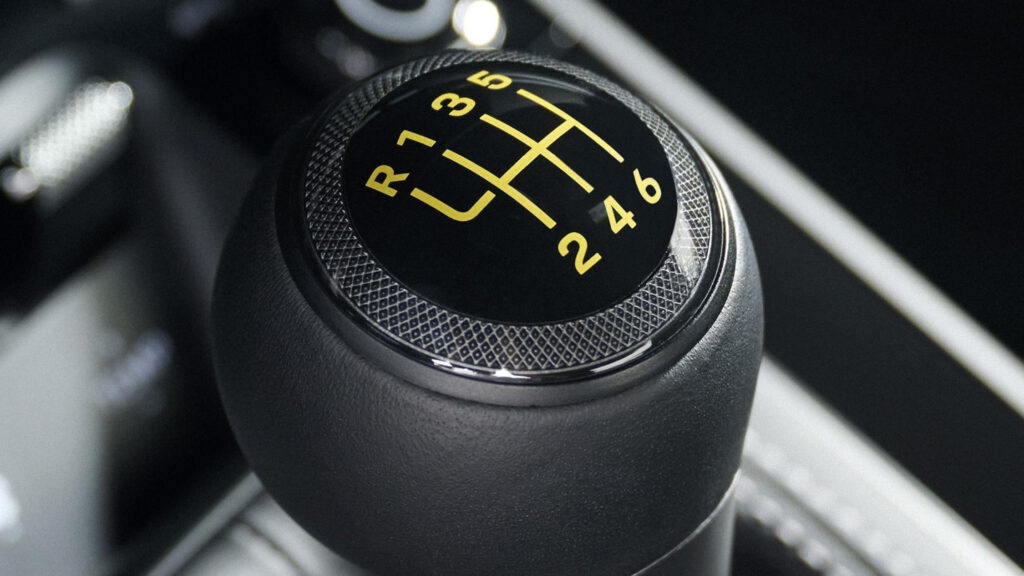
The decline of manual gearboxes is a trend that's not limited to the US market. In the UK, where over 80 percent of new cars used to have three pedals, the third one is rapidly headed for retirement. This shift away from traditional gearboxes has significant implications for driving enthusiasts and the automotive industry as a whole.
The data suggests that manuals are disappearing fast, with only 67 models from top manufacturers still offering a manual gearbox in 2026, down from 82 models last year. In fact, manuals now make up less than a quarter of all new cars on sale. This decline is not just limited to the UK market, but also reflects a broader trend in the global automotive industry.
The rise of automatics has been driven by their increasing efficiency and ease of use, making them more appealing to drivers who prioritize comfort over manual control. The dominance of SUVs, hybrids, and EVs in today's market has further contributed to this shift away from traditional gearboxes.
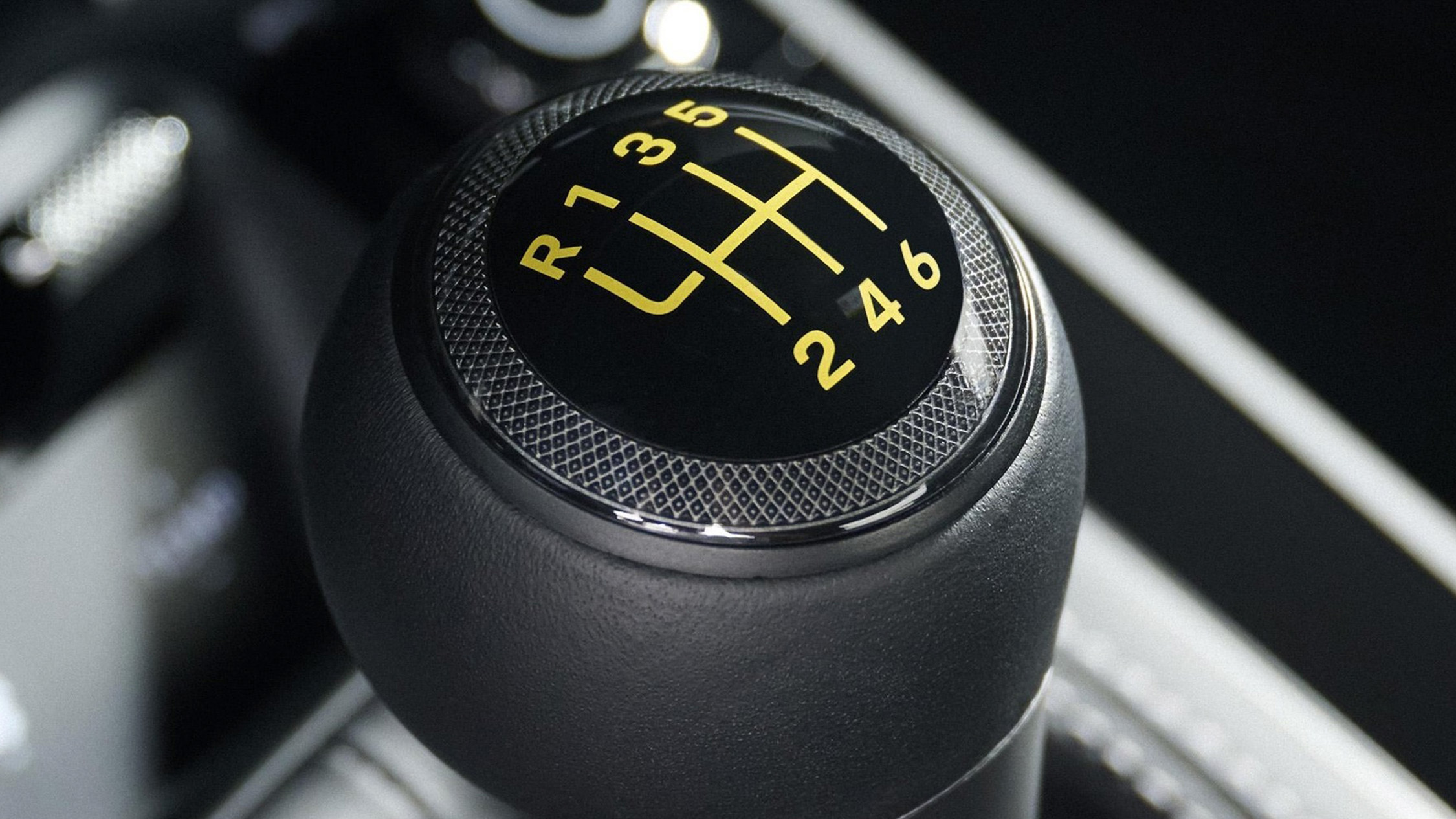
Several brands have already moved on completely, ditching manuals in the UK. Mini and Honda are among the latest manufacturers to join the list of companies that have abandoned manual gearboxes. This trend is not limited to these brands alone, as familiar names like Mercedes-Benz, Volvo, and Tesla have also decided to forego traditional gearboxes.
The reasons behind this shift are multifaceted. Modern automatics offer smoother performance, better fuel economy, and easier programming for superior results. The rise of electrification has further solidified the manual gearbox's status as a relic from another era. As a result, manufacturers have opted to focus on more efficient and environmentally friendly options.
However, there are still some cars that continue to offer stick-shift thrills to enthusiasts with different budgets. Cars like the Mazda MX-5 and Porsche 911 GT3 remain popular among driving enthusiasts who value the engagement and control of traditional gearboxes. Additionally, there are several low-ranking hatchbacks and crossovers available with manual transmissions.

For drivers who still value the hands-on driving experience, the used market offers a wide variety of options. While new cars may not be an option for those seeking a manual gearbox, the used car market provides a range of choices that cater to different budgets and preferences.
The decline of manual gearboxes has significant implications for driving enthusiasts and the automotive industry as a whole. As manufacturers continue to shift towards more efficient and environmentally friendly options, it will be interesting to see how this trend affects the future of traditional gearboxes.
In conclusion, the data suggests that manuals are disappearing fast, with only 67 models still offering a manual gearbox in 2026. While there are still some cars available with stick-shift transmissions, the decline of manual gearboxes is a trend that's not likely to reverse anytime soon.
The shift away from manual gearboxes has significant implications for driving enthusiasts and the automotive industry as a whole.