

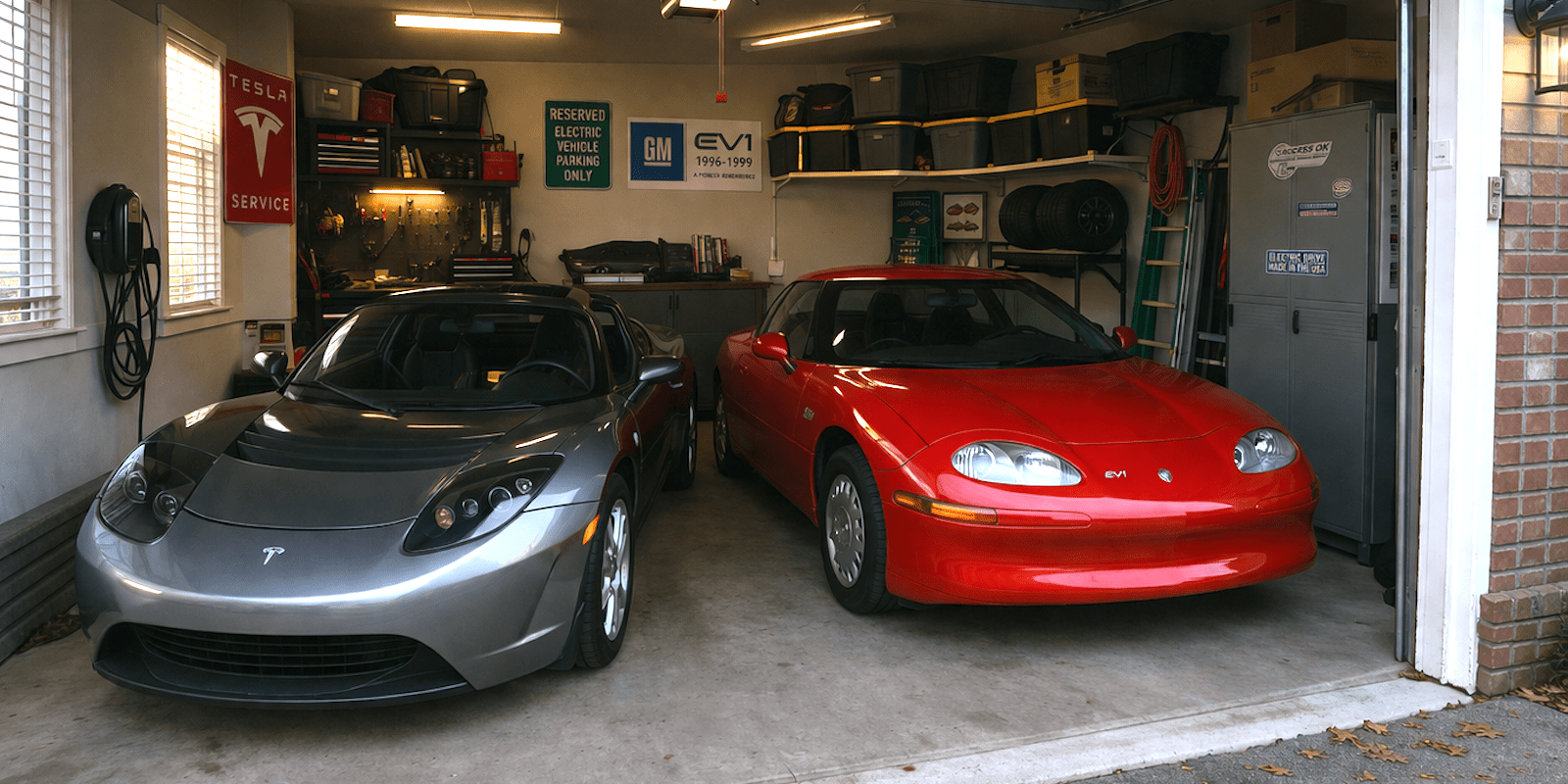
The concept of classic cars is deeply rooted in every automotive era, with designs that transcend sales figures and become culturally relevant over time. As we approach thirty years into the modern electric vehicle (EV) era, it's essential to consider which early EV will become a collector's item. While many might point to the GM EV1 or Tesla Roadster as pioneers, they were not the first to explore battery power for thrilling performance.
Low-volume oddities like the Consulier GTP models and US Electricar got there first, proving that battery power could deliver exceptional performance similar to classic cars of the 1960s and 1970s. However, these vehicles are largely unknown to the general public and may not be considered for their historical significance.
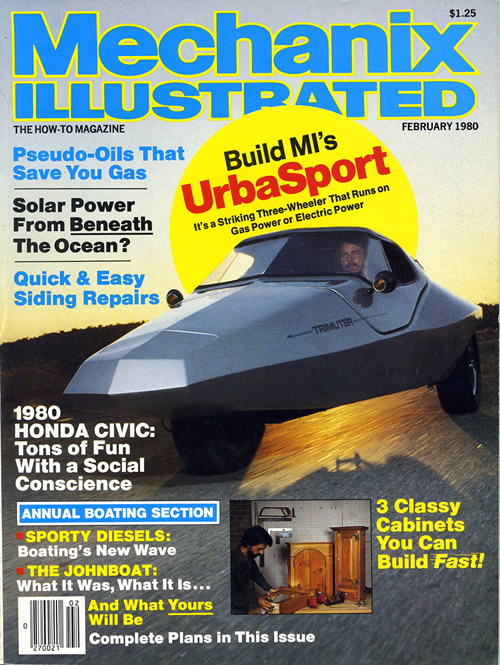
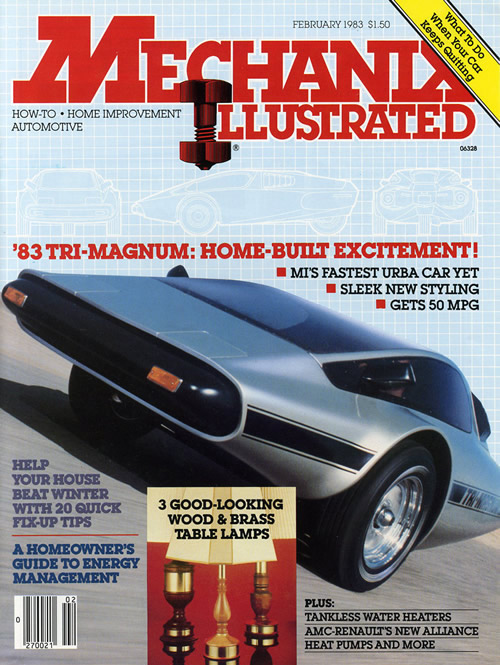
Early pioneers like the Robert Q. Riley-designed electric Trimuter and Tri-Magnum foamies, as well as the AC Propulsion tzero roadster, were featured in niche magazines during the pre-internet age. These vehicles showcased innovative designs and technologies that paved the way for modern EVs. Despite their significance, they remain relatively unknown to the general public.

The GM EV1 is a strong candidate for becoming the first classic car of the electric era due to its visibility and cult following. The vehicle's appearance in the movie 'Who Killed the Electric Car' has contributed to its notoriety. Additionally, the limited availability of the EV1, combined with the fact that most were destroyed after their original leases expired, has driven up prices.
The rarity of the GM EV1 is evident in its recent sale for $104,000, which was achieved despite the vehicle being non-functional and lacking a parts base. This price tag is comparable to finding a rare Ferrari project car, highlighting the challenges of restoring and maintaining these vehicles.
Restoring a classic car without manufacturer support can be a daunting task, especially when dealing with highly restricted vehicles like the GM EV1. The sale of this particular vehicle was made possible by a court order that broke GM's ownership contracts, allowing it to be auctioned to the public.
The story of the GM EV1's sale serves as a classic car enthusiast's nightmare come true – finding a rare vehicle and trying to restore it while facing obstacles from the manufacturer. This is precisely what makes the EV1 an attractive candidate for becoming the first classic car of the electric era.
While opinions may vary, the rarity and limited availability of the GM EV1 make it a strong contender for this title. However, other vehicles like the Toyota Mirai or first-gen Honda Insight hybrid might also be considered as potential classics in the future.
The debate surrounding which early EV will become a classic car is ongoing, with enthusiasts encouraged to share their thoughts and opinions in the comments section.
The rarity and limited availability of the GM EV1 are driving up prices, making it a strong candidate for the first classic car of the electric era.