
Premium economy is one of the fastest-growing products in modern commercial aviation, offering a clear step up from traditional economy without the steep costs of business class. Airlines have added or expanded premium economy cabins to meet increasing traveler demand, providing an enhanced journey through upgraded service, seat design, and priority handling. This has positioned premium economy as the sweet spot between price and comfort.
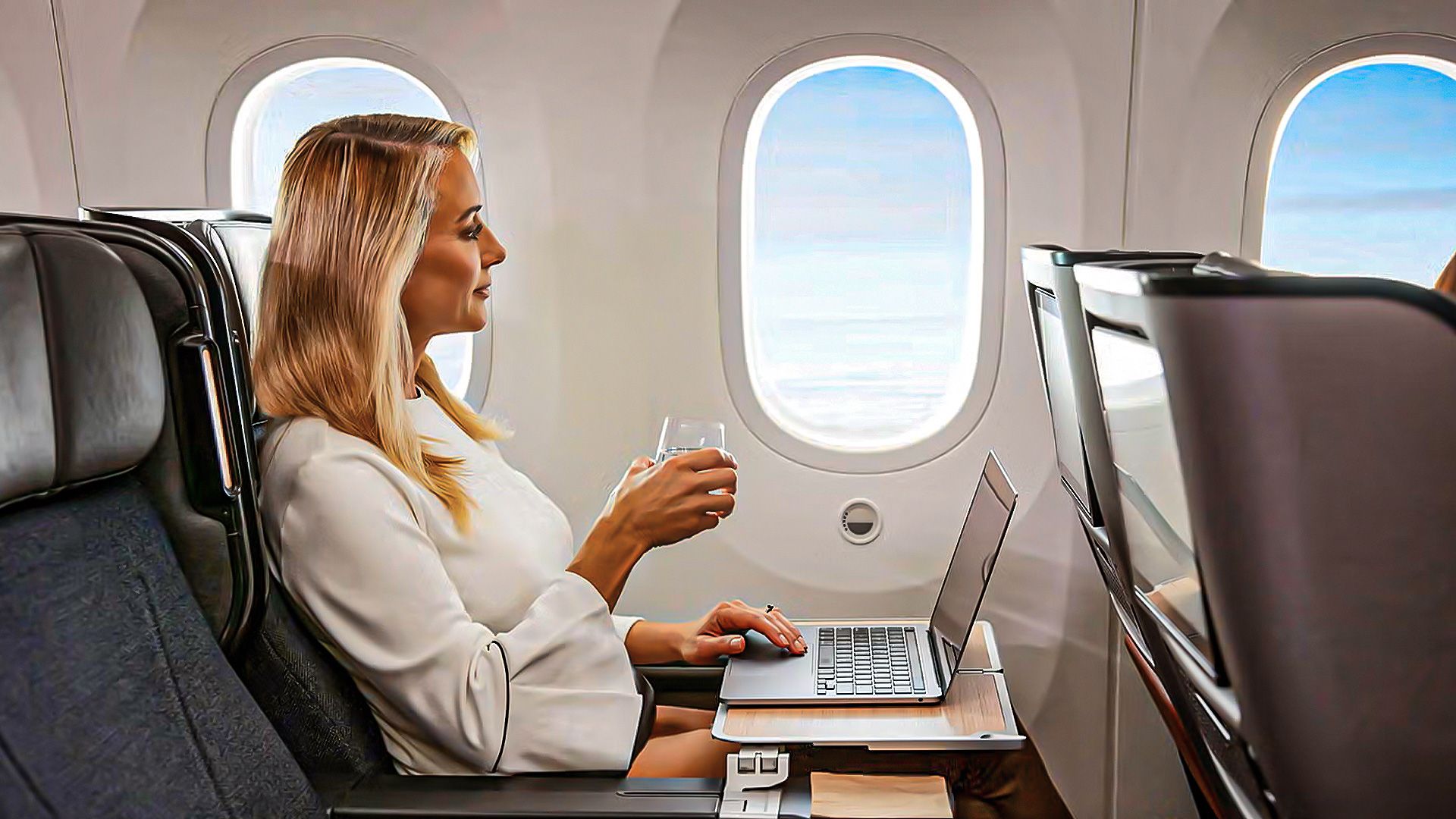
The defining attribute of premium economy is the additional room offered to passengers compared to economy class, with a focus on increased legroom. Seat pitch, which measures the distance from one seat to the next, is a key indicator of this extra space. Economy class seats typically offer a pitch in the range of 29-32 inches, while premium economy seats often provide around 38 inches or more.
In practical terms, the difference in pitch translates directly into legroom, which affects how freely passengers can move during hours in the air. This is particularly important for longer flights, where economy class cabins can force passengers into a static posture that leads to discomfort due to restricted movement. Premium economy disrupts this pattern by creating space that changes how the body interacts with its environment.
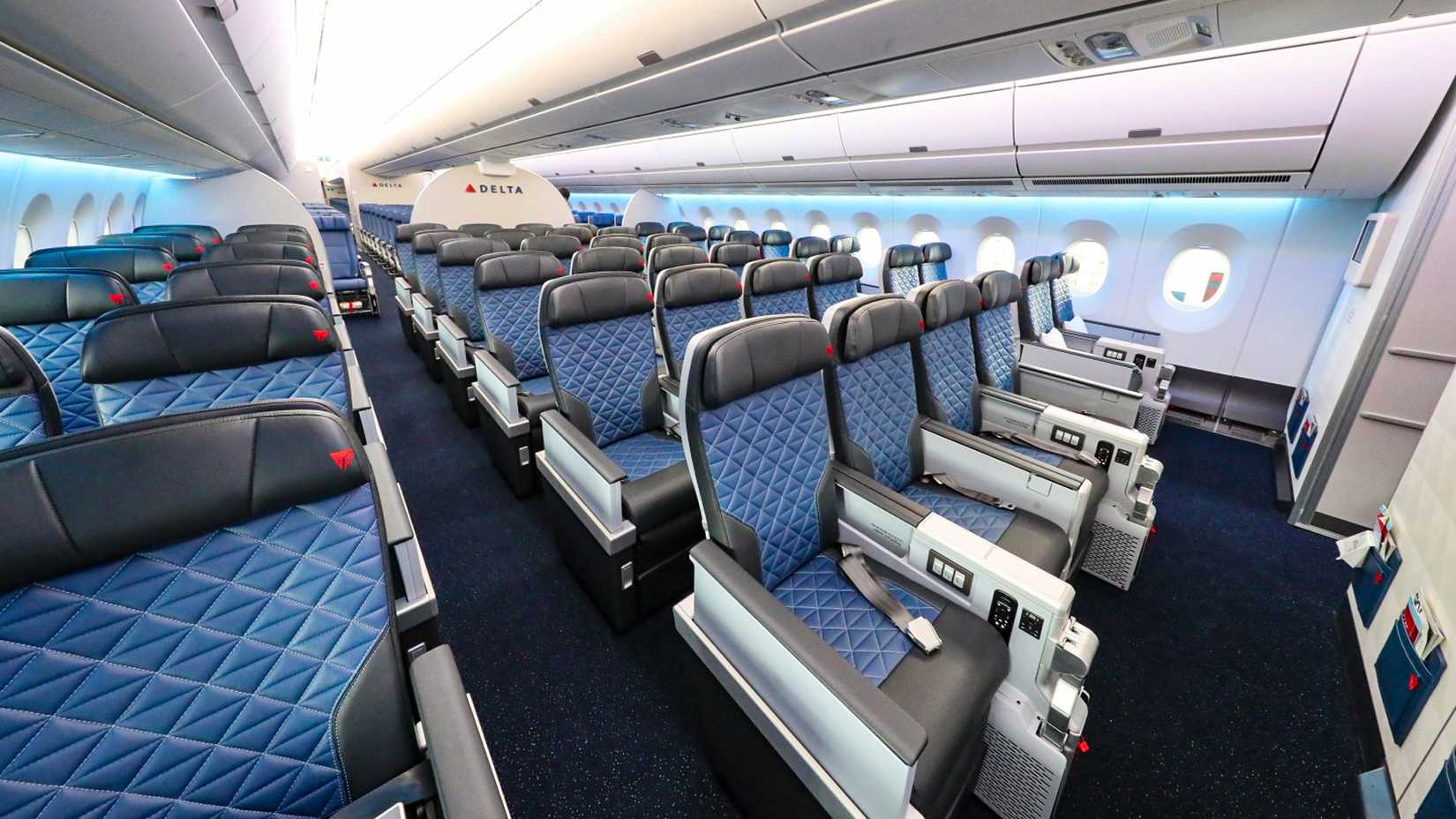
Seat pitch is the most reliable indicator of comfort because it influences every part of the in-flight experience, including eating, working, watching entertainment, and attempting to rest. Unlike subjective enhancements like meal presentation or entertainment quality, seat pitch is quantifiable and comparable across carriers and aircraft types.
The value of premium economy lies not just in its amenities, but in the tangible benefits it provides. For passengers, increased legroom means reduced discomfort and improved overall well-being. For airlines, this extra space can lead to increased customer satisfaction and loyalty.
Legroom in premium economy matters for reasons that extend far beyond simple comfort. It can also have a significant impact on passenger health, particularly on ultra-long-haul flights where cramped posture and pressure on joints can be debilitating. By prioritizing space, airlines can help mitigate these effects and create a more comfortable travel experience.
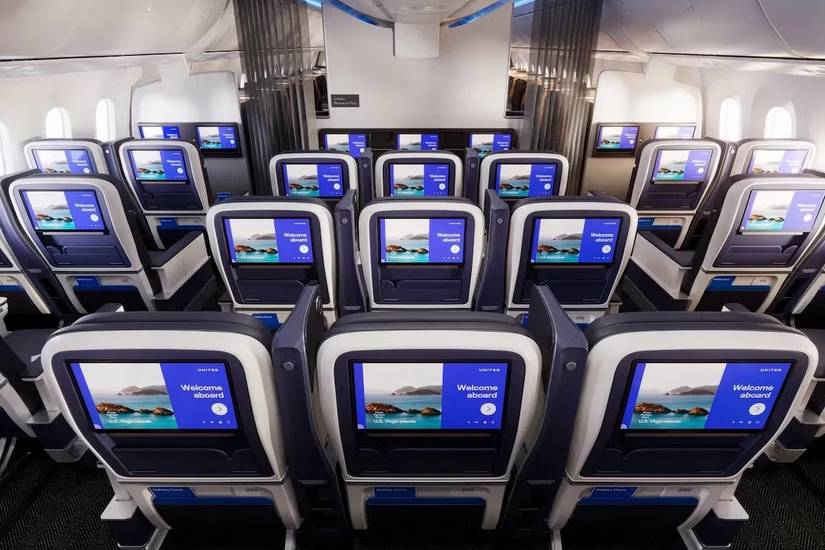
As the demand for premium economy continues to grow, it's clear that space will remain a key differentiator in this cabin class. Airlines must prioritize investing in seat design and pitch to meet this growing demand and provide passengers with the comfort they expect.
Ultimately, the success of premium economy depends on its ability to deliver tangible benefits to passengers. By focusing on increased legroom and comfortable seating, airlines can create a unique selling proposition that sets them apart from competitors and justifies the premium price point.
Premium economy cabins are redefining comfort in air travel by prioritizing space over other amenities.