
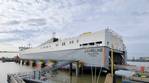

An Australian Federal Police (AFP) investigation has led to the arrest and charging of six crew members from Honduras and Ecuador on suspicion of importing one tonne of cocaine into Australia. The merchant vessel, MV Raider, was intercepted in international waters by French authorities in January 2026. A joint operation between the AFP and other agencies resulted in the seizure of 4.8 tonnes of cocaine, as well as the arrest of several individuals suspected of involvement in a larger organized crime syndicate. This operation demonstrates the complexity and reach of transnational criminal networks, highlighting the need for continued cooperation and vigilance among law enforcement agencies.
Australia's Economic Exclusion Zone has proven to be a critical area for authorities to monitor, as it provides a vast expanse of waters where smuggling operations can take place with relative anonymity. The AFP's efforts to disrupt this network have resulted in significant seizures and arrests, underscoring the importance of effective border security measures. However, the sheer scale of global organized crime networks makes it an ongoing challenge for authorities to keep pace with the evolving tactics and strategies employed by these groups.
The MV Raider's crew was initially met by Australian Border Force officers and NSW Police Marine Area Command upon arrival in international waters. The ship's electronic devices were later examined by ABF officials, who discovered evidence consistent with the allegation that the vessel had further drugs on board. This seizure of electronic devices and documents highlights the critical role that technology plays in disrupting transnational organized crime networks.
The AFP's investigation was sparked by French authorities' interception of the MV Raider in January 2026. The ship's crew was interviewed, and they were advised that they would not be permitted entry into an Australian port due to concerns about their intentions. This incident underscores the importance of effective intelligence gathering and cooperation between international law enforcement agencies.
The MV Raider's crew made a distress call to the Australian Maritime Safety Authority in March 12, which led to the vessel being escorted into Sydney Harbour by NSW Police. The ship was subsequently detained by ABF officials, who transported the crew to Villawood Immigration Detention Centre. This action demonstrates the commitment of authorities to enforcing maritime laws and protecting national security.
The subsequent examination of the crew's electronic devices revealed evidence consistent with the allegation that the MV Raider had further drugs on board. The AFP also seized a satellite phone allegedly used by senior members of the MV Raiders' crew to communicate with the syndicate's bosses based offshore. This seizure highlights the critical role that technology plays in disrupting transnational organized crime networks.
The maximum penalty for conspiracy to import a commercial quantity of border-controlled drugs is life imprisonment, underscoring the severity of these charges. The arrest and charging of six crew members from Honduras and Ecuador serves as a significant blow to the alleged international cocaine smuggling ring.
The operation highlights the ongoing threat of transnational organized crime in Australia's waters, emphasizing the need for continued cooperation between law enforcement agencies. As authorities continue to disrupt these networks, it is essential that they remain vigilant and adaptable in their efforts to stay ahead of evolving tactics and strategies employed by these groups.
Ultimately, this operation demonstrates the critical role that effective law enforcement and international cooperation play in disrupting transnational organized crime networks. By combining intelligence gathering, technology, and cooperation between agencies, authorities can effectively disrupt these networks and protect national security.
The recent operation highlights the ongoing threat of transnational organized crime in Australia's waters, emphasizing the need for continued cooperation between law enforcement agencies.