

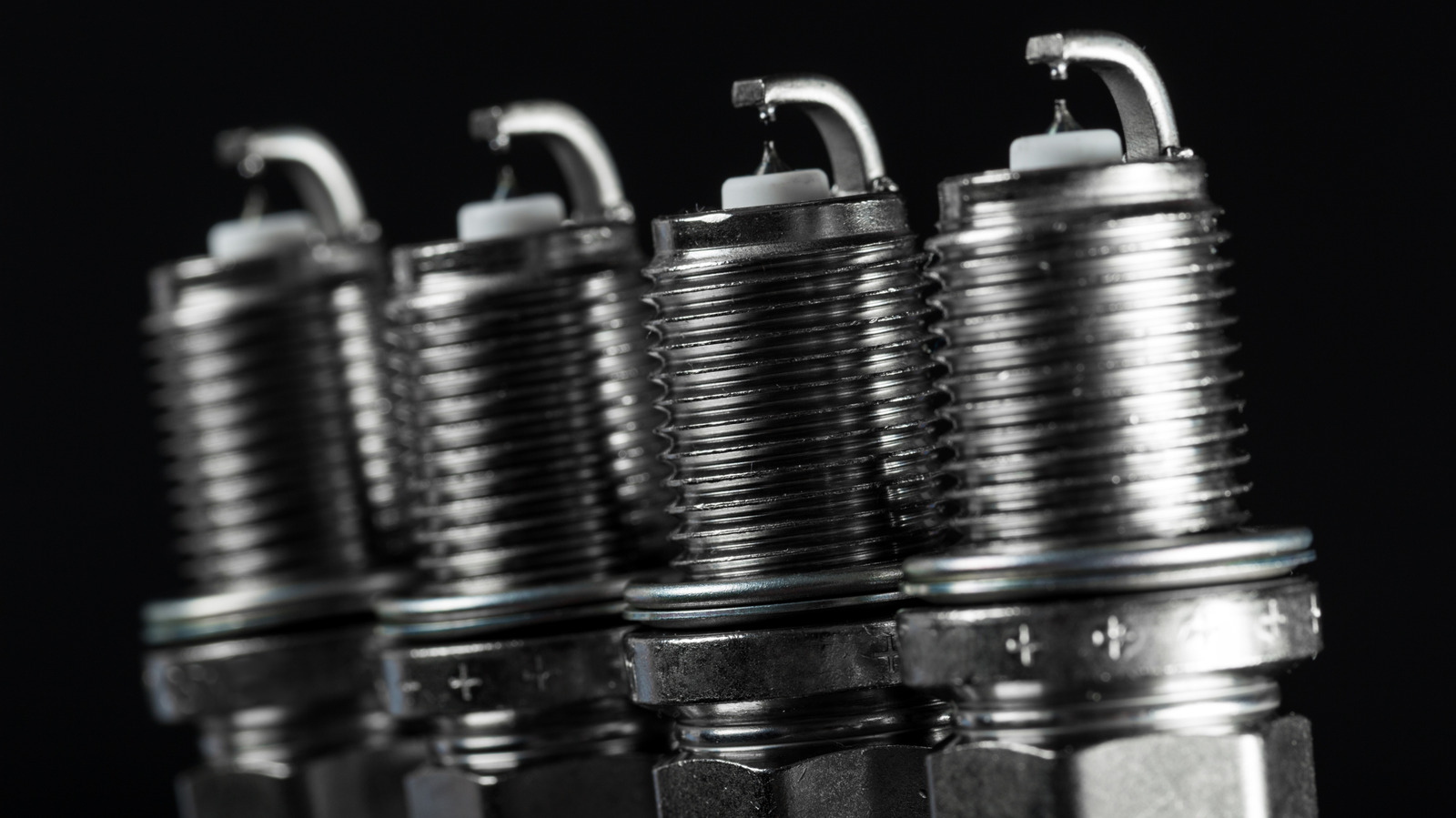
The world of spark plugs may seem like a straightforward concept, but it's actually quite complex. Spark plugs come in various shapes and sizes, each designed to work seamlessly with specific engines. The correct size of the spark plug can make all the difference in an engine's performance, while using the wrong size can lead to misfiring, idling problems, and even engine damage.
One key factor that determines a spark plug's effectiveness is its size, which affects how well it interacts with the engine. The correct size of the spark plug ensures optimal fuel combustion, while an incorrect size can disrupt this process, resulting in reduced engine performance.
Engine manufacturers design their engines to run efficiently on factory-spec spark plugs, taking into account factors like the type and heat range of the plug. This means that a V8 engine may require different spark plugs than a four-cylinder engine, highlighting the importance of selecting the right size for each application.
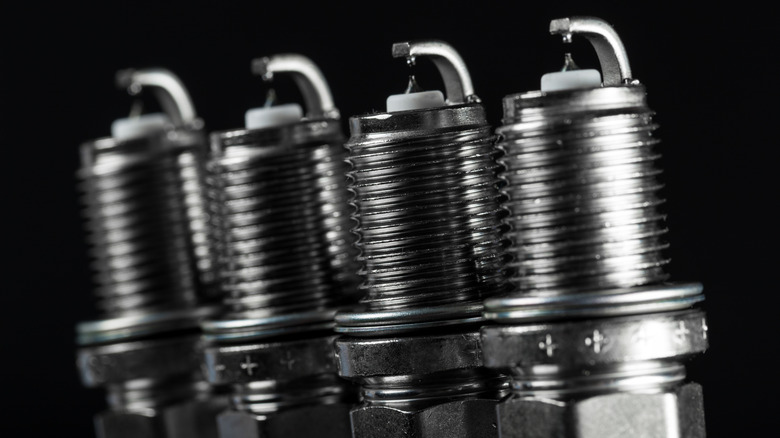
When it comes to spark plug sizes, bigger is not always better. Using the incorrect size can introduce issues like misfires, knocking, and incomplete combustion, which can lead to decreased fuel efficiency and increased emissions.
To ensure optimal engine performance, it's essential to choose a spark plug that matches the specific requirements of your engine. This includes determining the thread diameter, reach length, hex size, and seat type of the spark plug.
The thread diameter of a spark plug refers to its width, typically measured in millimeters or inches. Most common sizes include 10 mm, 12 mm, 14 mm, and 18 mm. Measuring this dimension accurately is crucial to avoid engine damage.
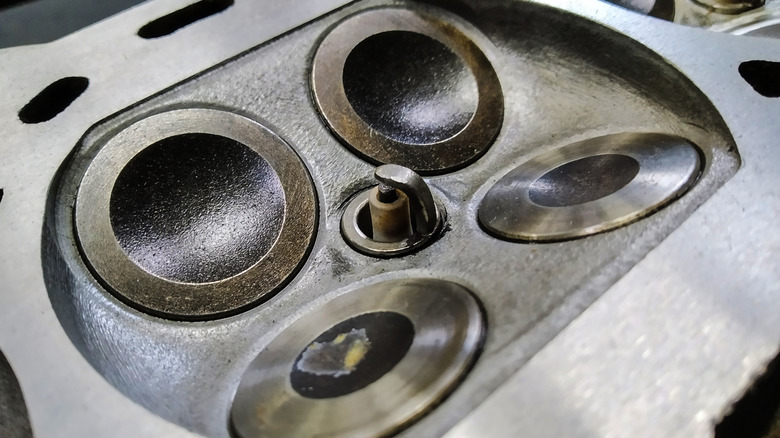
Similarly, the reach length or thread length measures how far the threaded portion of the spark plug extends inside the cylinder head. This measurement is also critical in ensuring proper engine performance.
The hex size of a spark plug refers to the socket required to install or remove it from the cylinder head. Most common sizes range from 16 mm to 22 mm, and selecting the right one is vital for safe and efficient spark plug installation.
Spark plug seat types also play a crucial role in engine performance. There are two main types: gasket seats and tapered seats. Gasket seats feature a crushable gasket that seals the plug from the cylinder head, while tapered seats rely on the shape of the spark plug shell to form a tight seal.
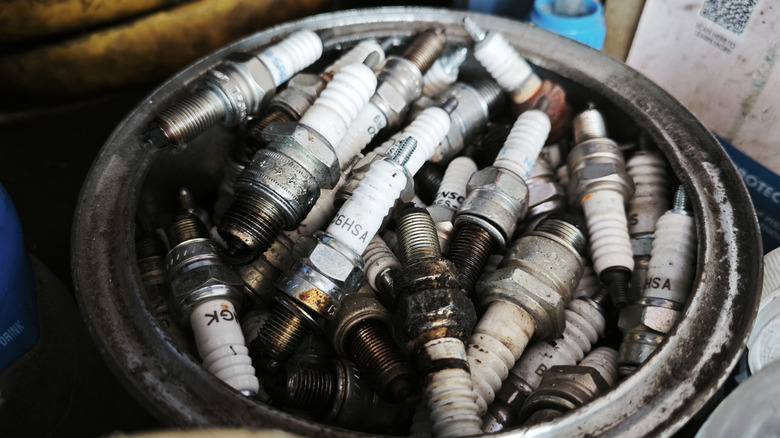
Ultimately, choosing the right spark plug size is critical for optimal engine performance. Selecting the correct size ensures efficient fuel combustion, reduces emissions, and minimizes the risk of engine damage.
Choosing the right spark plug size is crucial for optimal engine performance.