

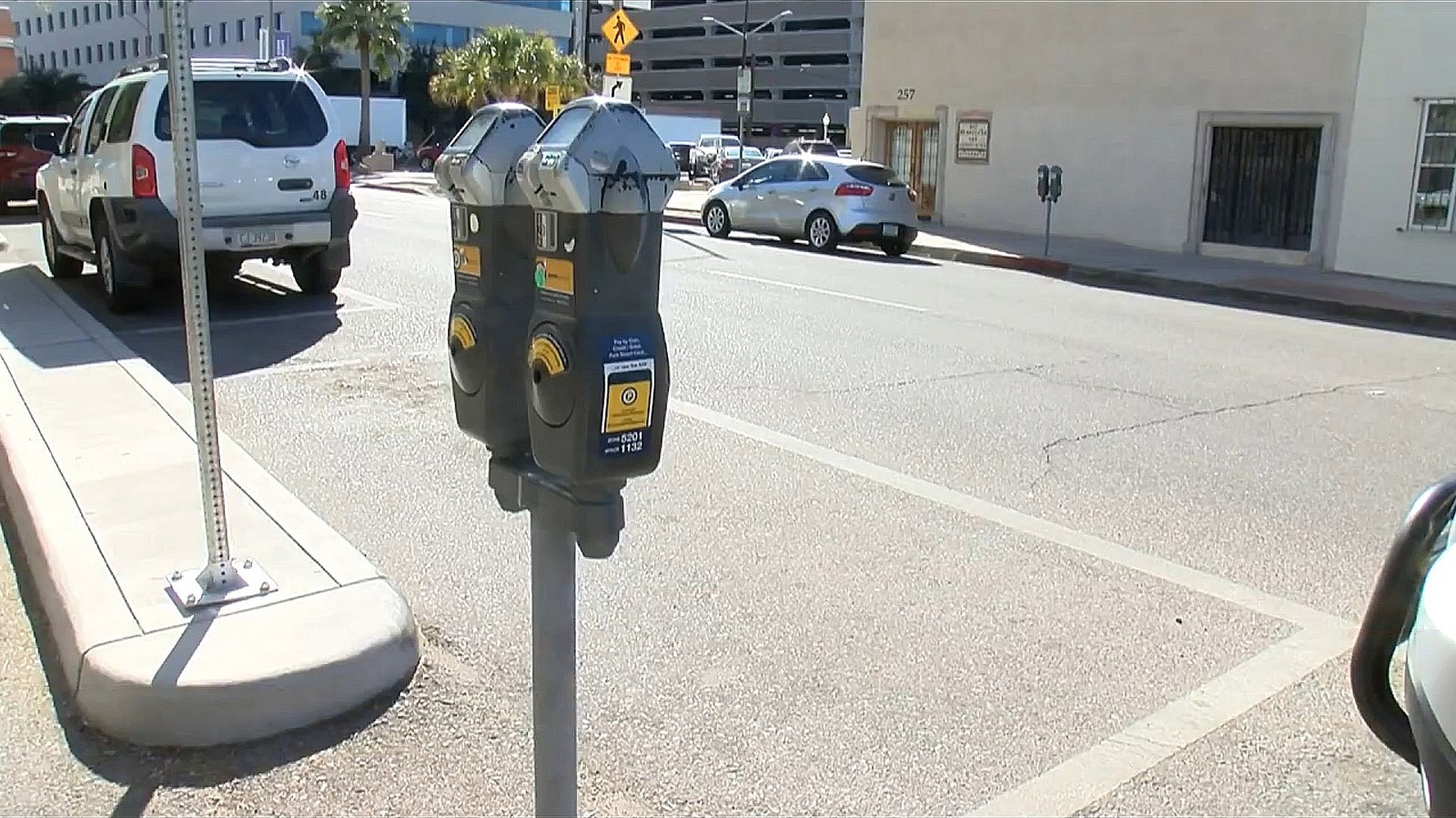
The United States has an estimated 2 billion parking spaces, but the reality is that finding an open spot can be challenging. When you finally find one, it often comes with a parking meter that may or may not be functioning properly. However, this does not necessarily mean you can park for free without consequence.
In San Diego, drivers are advised to pay attention to the payment methods available at the meter. If one of these methods is active, even if the coin slot is jammed, the meter is considered operational. This means that as long as there is a valid payment method in place, the meter cannot be deemed broken.
In Los Angeles, a similar policy applies, where city officials only drop a small percentage of cases involving inoperable parking meters. For instance, in 2022, out of 3,400 drivers contesting a non-functional meter, fewer than 1% were cited. This highlights the leniency with which such cases are handled.
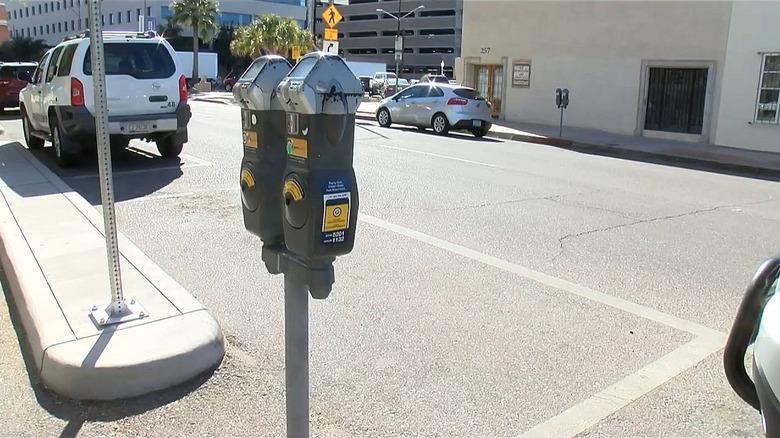
The situation is not unique to humans, as autonomous vehicles like Waymo have also faced parking tickets in cities like San Francisco. In 2024 alone, Waymo received 589 parking tickets due to its inability to pay at a meter.
In Washington D.C., authorities will only cite drivers if they can clearly see that the meter is non-operational and displaying an error message. This approach ensures fairness for drivers who may be unaware of the meter's status.
New York City's Muni-meters offer a unique solution, allowing free parking as long as there is a functioning Muni-meter nearby within a certain time limit. However, this exception does not apply beyond the stated timeframe.
Similarly, in Eugene, Oregon, drivers can occupy spots with non-working meters, but only up to the designated time limit. These policies vary across cities and states, emphasizing the importance of checking local laws for specific guidelines.
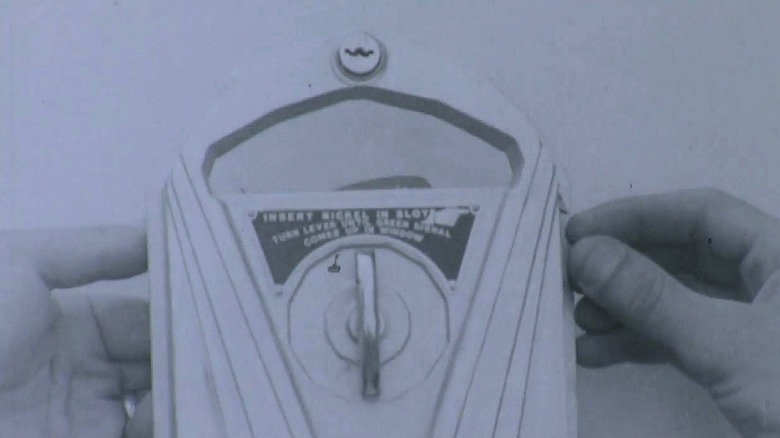
The history of parking meters dates back to 1935, when Oklahoma City became the first location to install one. The technology quickly gained popularity, resulting in over 140,000 meters being installed just a few years later. By 2019, New York City had earned $228 million from parking meter revenue, which is allocated towards infrastructure and repairs.
The financial benefits of parking meters are clear, with the funds generated supporting local infrastructure and neighborhood repairs. Additionally, retailers benefit indirectly from increased customer traffic, as people linger in shops and eateries to pay for extended parking periods.