

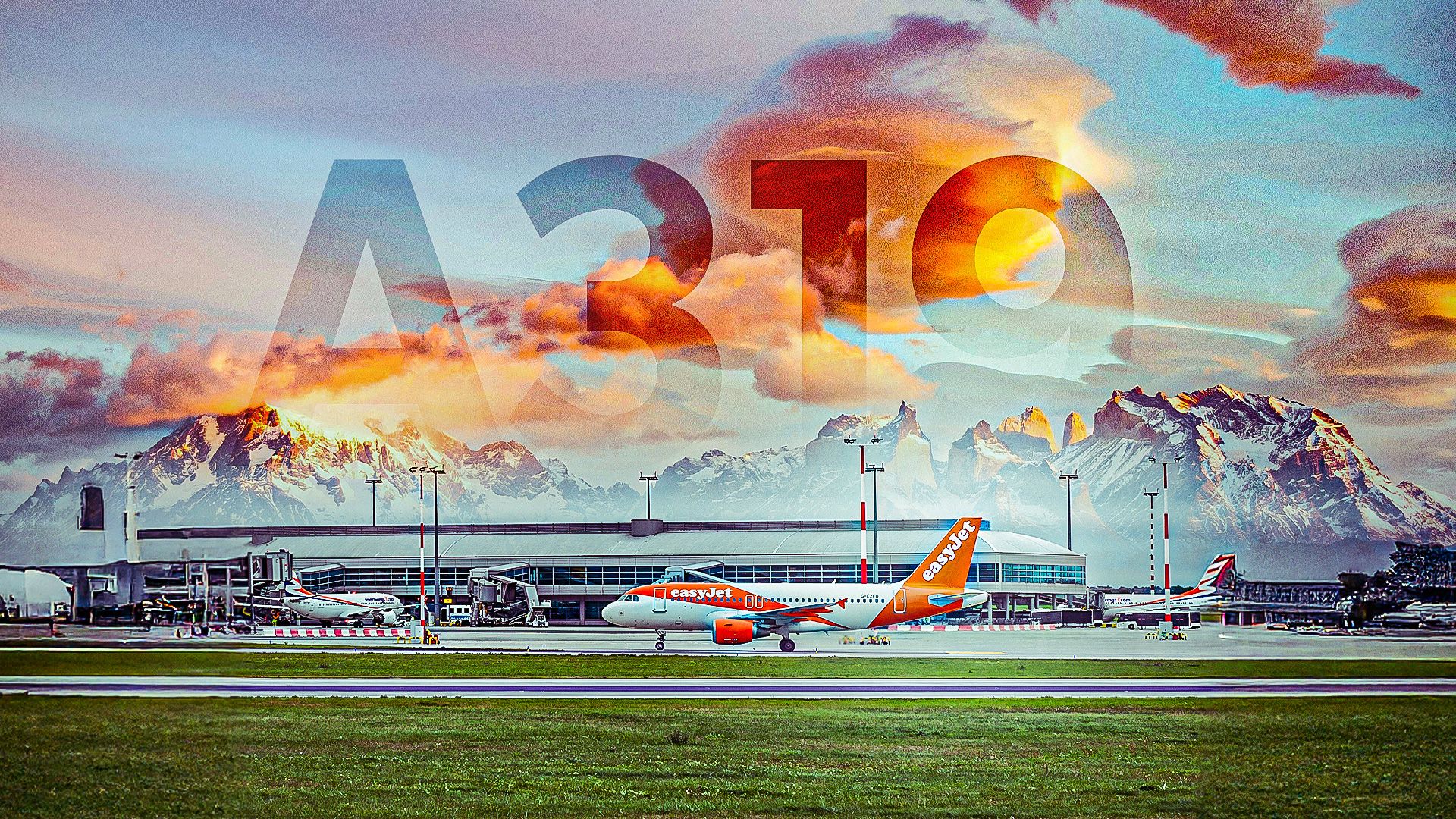
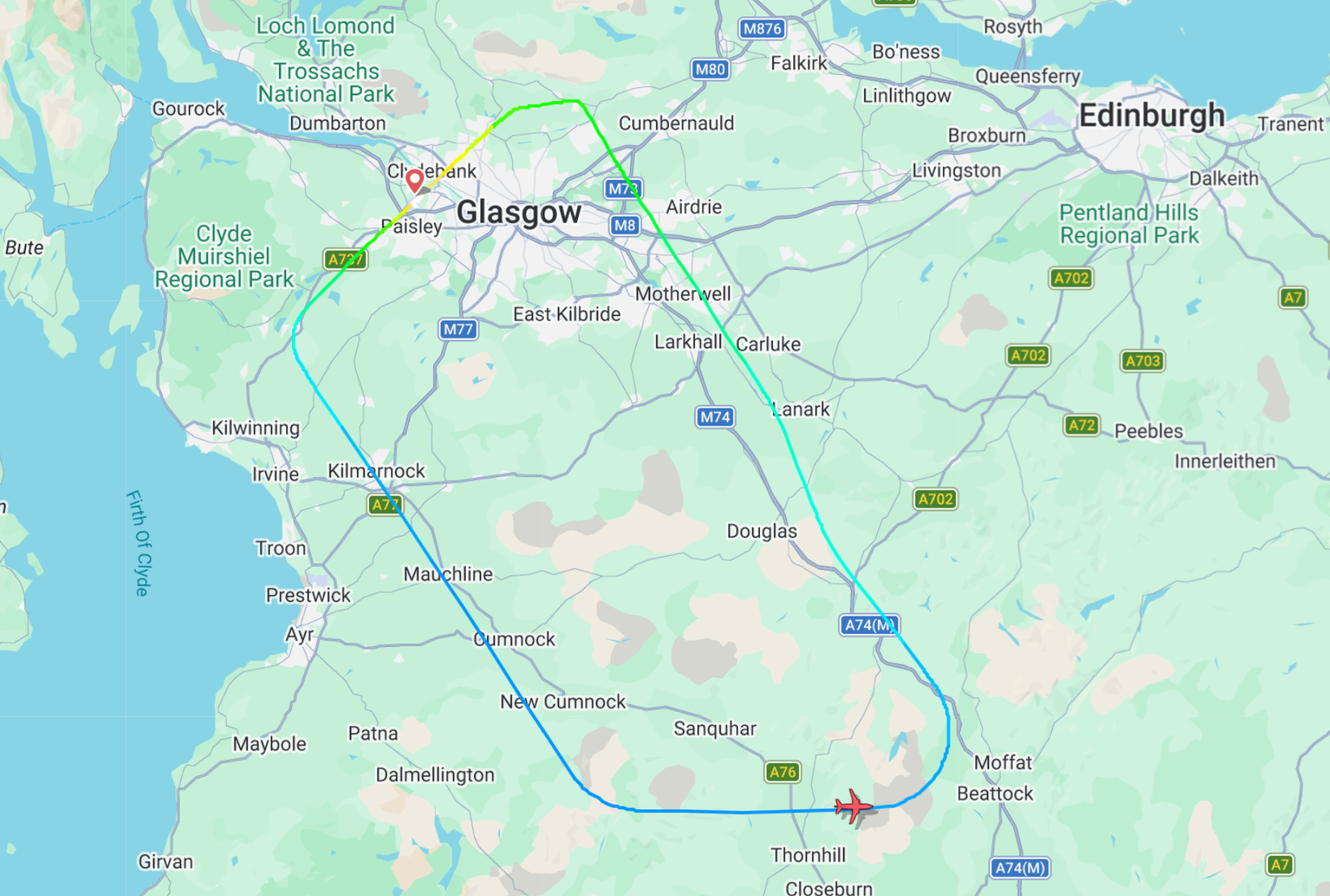
A sudden bout of turbulence struck an easyJet flight shortly after takeoff from Glasgow Airport on Sunday, forcing the pilots to make an emergency landing back at the airport. The incident occurred on Flight EZY439, which was en route to Jersey when the aircraft encountered strong winds and air pockets that caused injury to a cabin crew member.
Details of the incident are still emerging, but it is clear that the low-cost carrier took swift action to ensure the safety of its passengers and crew. The flight was operated by an Airbus A319 aircraft, which can seat up to 156 passengers in an all-economy configuration. However, the A319 operating yesterday's service was one of the airline's oldest airframes, some of which are approaching 20 years old.
The emergency landing was made possible thanks to the quick thinking and actions of the pilots, who squawked 7700 to indicate an emergency onboard and diverted the aircraft back to Glasgow Airport. The flight landed safely, but not before a crew member required medical assistance due to injuries sustained during the turbulence.
easyJet has confirmed that the cabin crew member was injured 'following some turbulence shortly after take off,' and that all passengers were seated with their seatbelts on at the time of the incident. However, it is unclear how the crew member sustained their injuries or whether they were properly secured in a seat.
The airline added that passengers on the affected flight were flown out on another flight later in the afternoon, stating that the 'safety and well-being of customers and crew is always easyJet's highest priority.' This replacement flight arrived in Jersey just after 06:30 PM local time, representing a delay for passengers of around five hours.
The incident serves as a reminder of the importance of prioritizing crew safety in emergency situations. Airlines must ensure that all crew members are properly trained and equipped to handle such scenarios, and that they have access to proper medical support if needed.
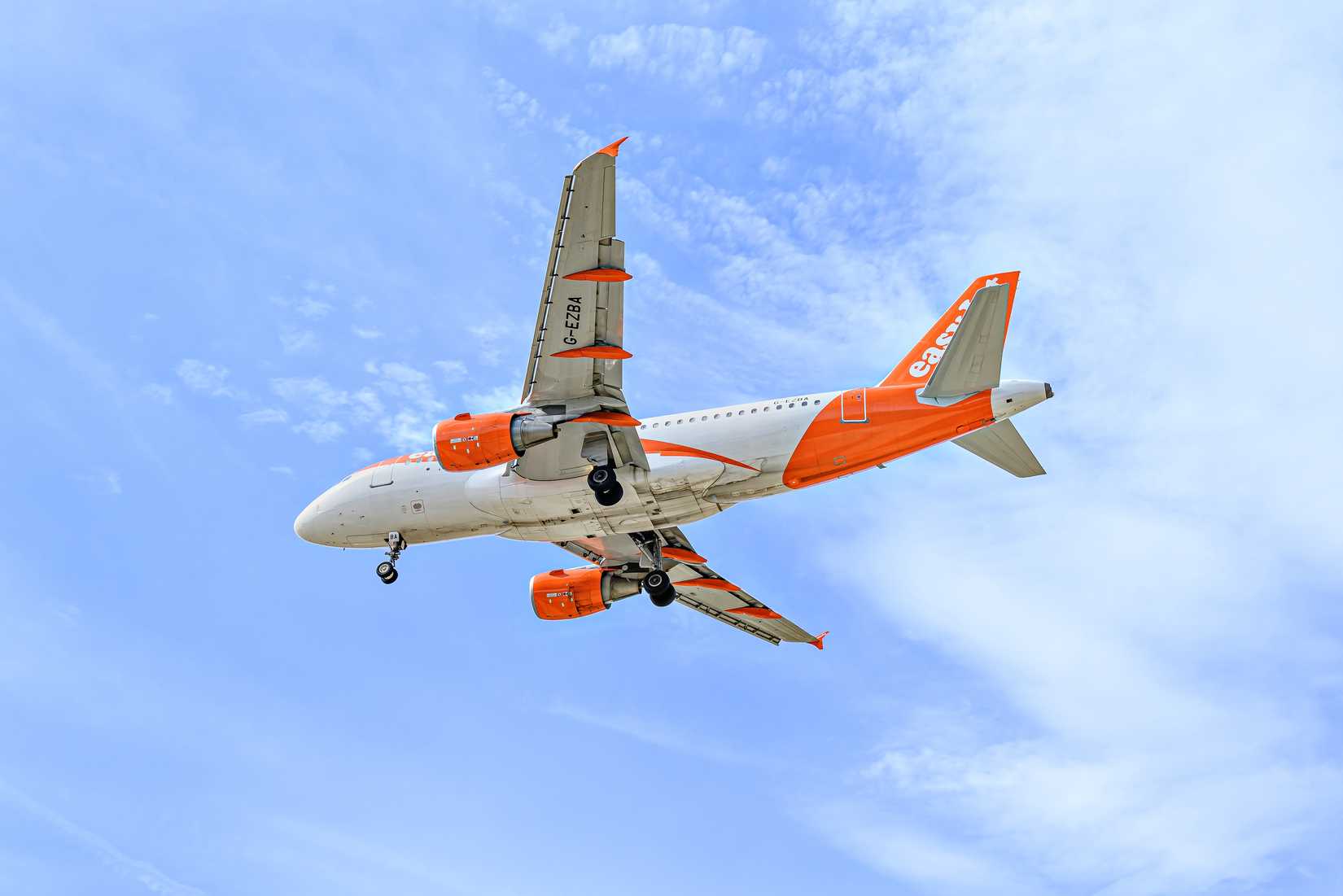
easyJet's A319 fleet contains many of the airline's oldest airframes, some of which are approaching 20 years old. The fact that one of these aircraft was involved in an emergency landing highlights the need for regular maintenance and inspection of older aircraft.
The incident also raises questions about the safety protocols in place for cabin crew during turbulence. While they may not be required to remain seated for long once the plane is airborne, it is still essential that they are properly secured and have access to proper medical support if needed.
Ultimately, the safety of passengers and crew is always the top priority for airlines like easyJet. The incident serves as a reminder of the importance of prioritizing safety and taking swift action in emergency situations.
The incident highlights the importance of prioritizing crew safety in emergency situations, and airlines must ensure that all crew members are properly trained and equipped to handle such scenarios.