

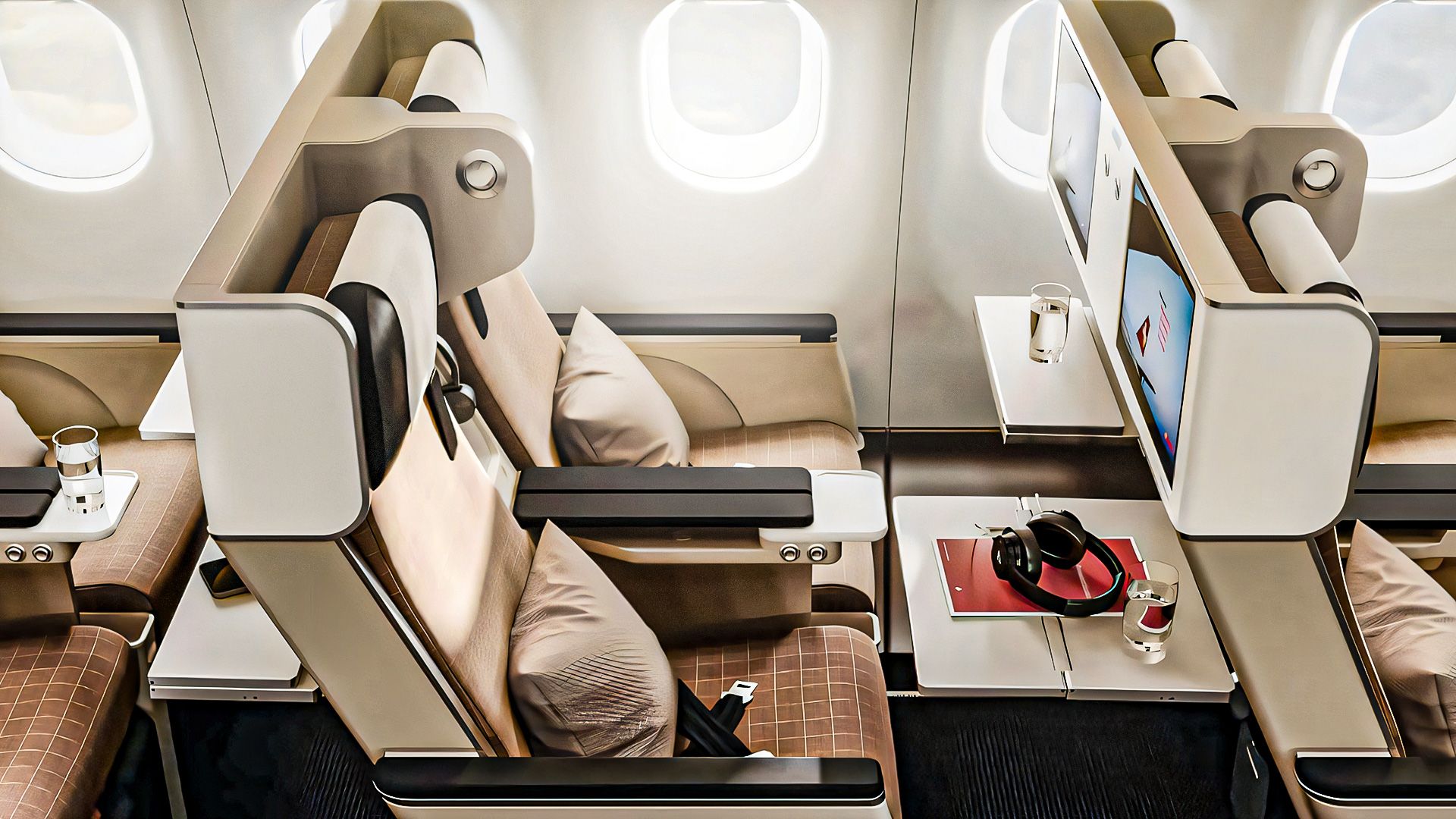
The concept of premium economy has been around for decades, with EVA Air's Evergreen Class dating back to the early nineties. This innovative approach allows airlines to cater to passengers seeking extra comfort without breaking the bank. By offering a middle ground, airlines can maximize revenue while minimizing space requirements.
Airlines have discovered that premium economy is an effective way to fill the gap between coach and business class seats. By allocating space efficiently, they can generate significant revenue from premium economy passengers. In contrast, business and first-class seats take up valuable space, leaving limited room for price increases due to competition.
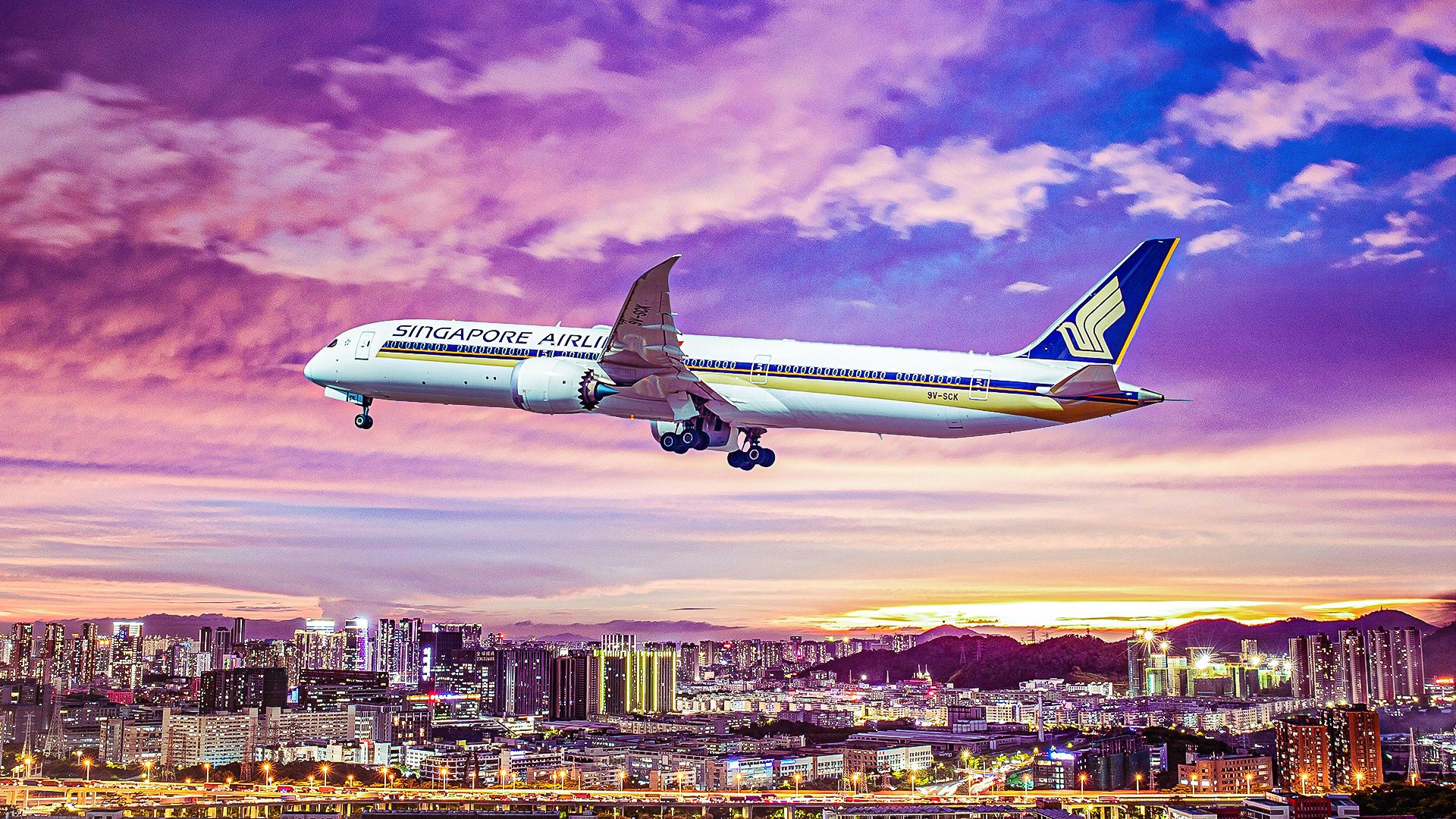
The Boeing 787-8 Dreamliner is a prime example of how airlines can optimize their aircraft layout to accommodate premium economy seats. With 44 premium economy seats in a 2-3-2 configuration, they can generate substantial revenue while minimizing space usage. This layout allows airlines to maximize their revenue potential without compromising passenger comfort.
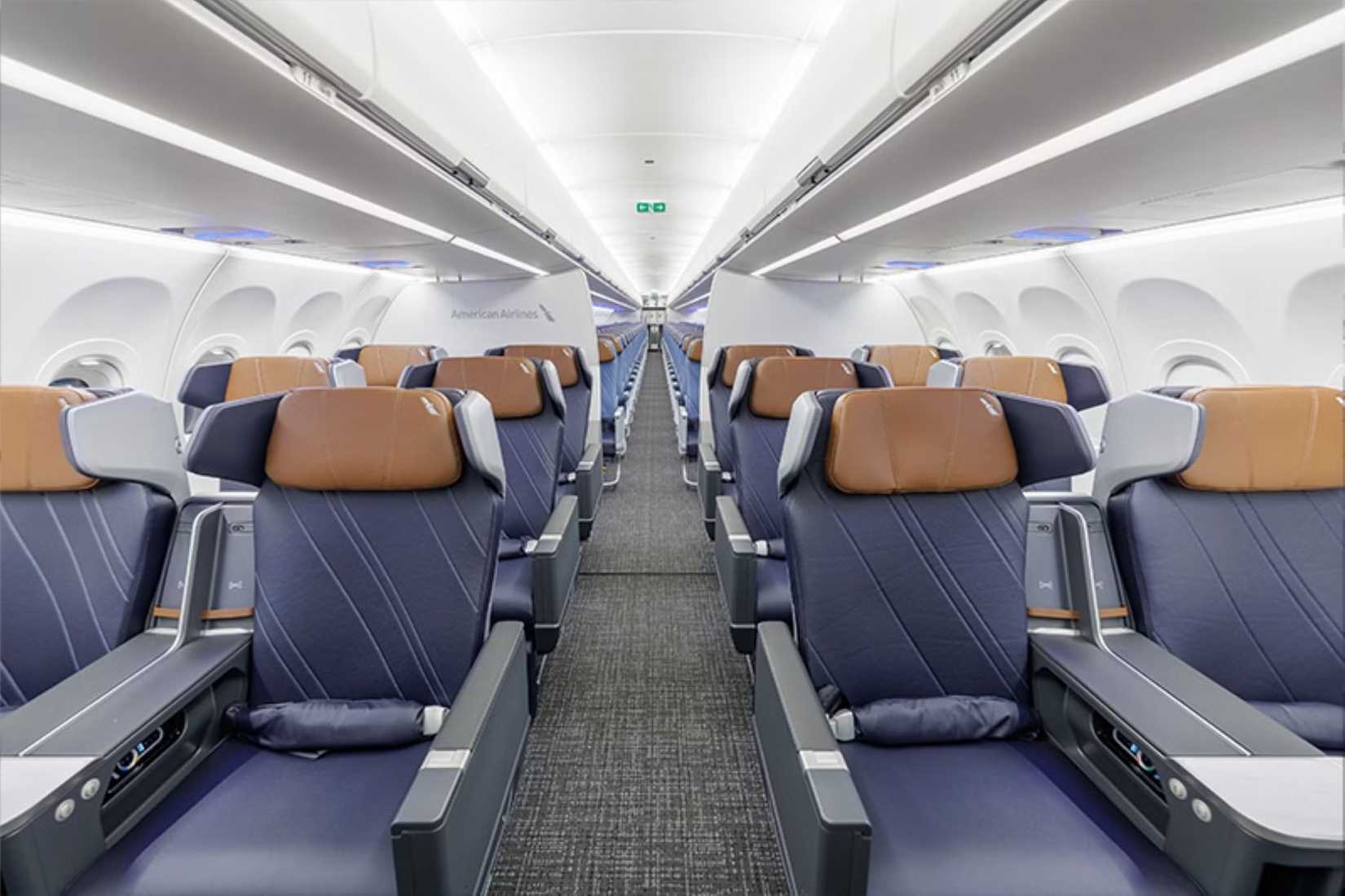
United Airlines has been at the forefront of premium economy, offering its 787-8s on routes like Chicago O'Hare to Munich. The airline's strategy is paying off, with prices for premium economy seats being 43% more than those in coach seats. This demonstrates the effectiveness of premium economy as a revenue stream.
The emphasis on premium economy can be attributed to passenger behavior, which tends to favor comfort over high-end luxury. Business class is often associated with corporate travel and high costs, while premium economy offers a more affordable option for passengers seeking extra comfort.
Studies have shown that demand for premium economy is highly elastic, meaning price changes have a significant impact on consumer buying habits. In contrast, business class demand is highly inelastic, making it less responsive to price fluctuations.
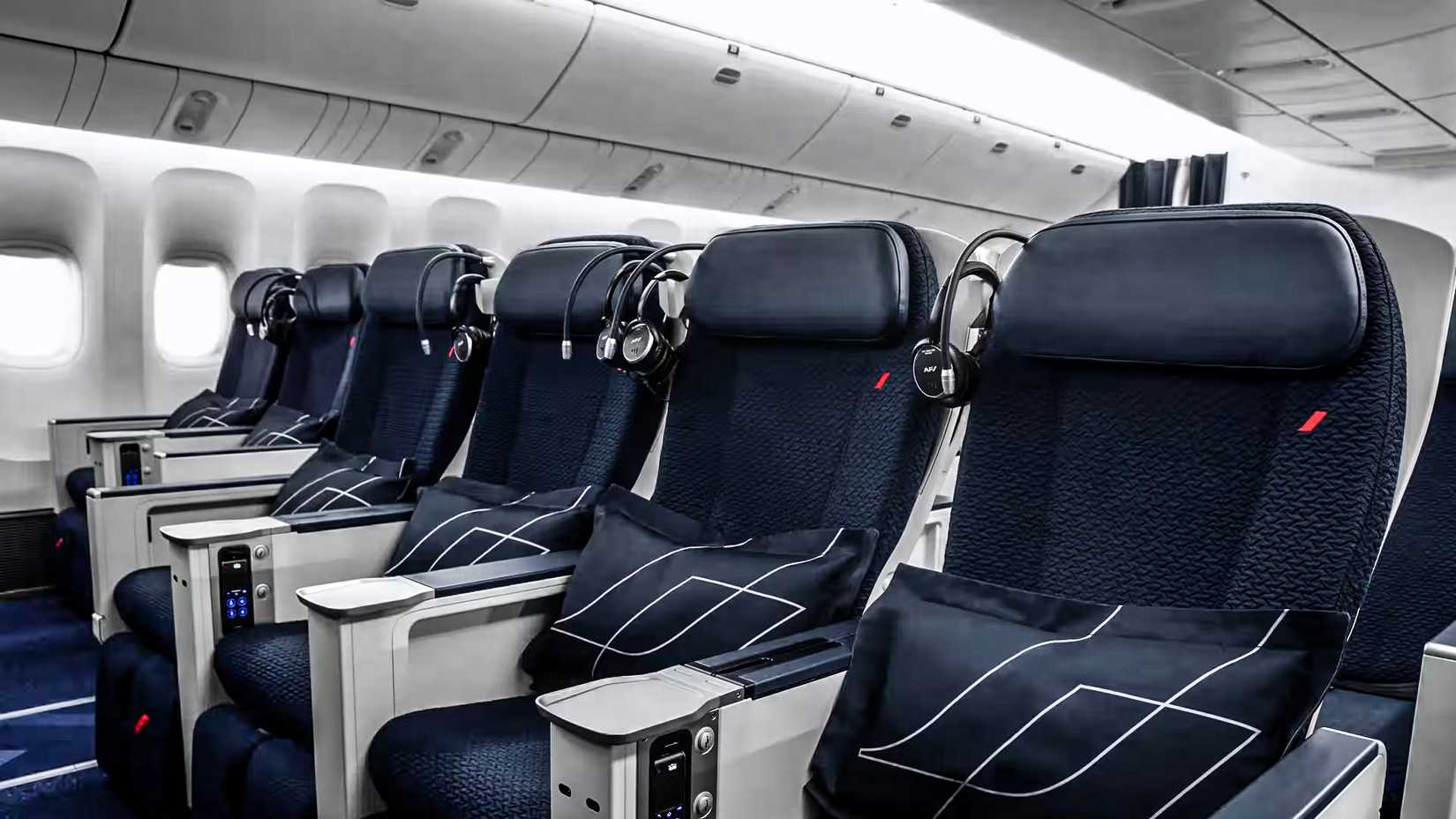
The success of premium economy can be seen in the airline industry's response to changing passenger behavior. As airlines adapt to shifting consumer preferences, they are increasingly investing in premium economy options to cater to the growing demand for comfort and value.
By offering a premium economy option, airlines can tap into the lucrative middle ground between coach and business class seats. This approach allows them to maximize revenue while minimizing space requirements, making it an attractive strategy for airlines looking to boost their bottom line.
As the airline industry continues to evolve, premium economy is likely to remain a key player in shaping passenger travel experiences. By understanding the benefits of premium economy, airlines can better meet the needs of their customers and stay ahead of the competition.
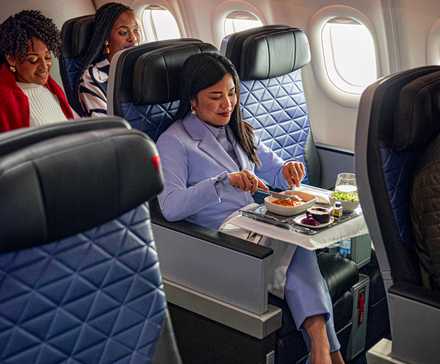
Premium economy offers airlines a lucrative middle ground between coach and business class.