The automotive industry is facing an unprecedented crisis, with rising fuel prices affecting South Africa's car market. The country's fuel crunch has led to a significant increase in petrol and diesel prices, making traditional fossil fuels less appealing to motorists. As a result, diesel vehicle sales are under pressure, and consumers are turning to alternative technologies like electric vehicles (EVs) to reduce their running costs.
The South African market has seen a decline in battery-electric vehicle (BEV) sales, with only 1,018 passenger BEVs sold in 2025, down 17% from 1,231 in 2024. This represents a mere 0.17% of the total vehicles sold in the country last year. The traditional plugless hybrid segment (HEVs), which also reported a decline in sales, accounted for 12,751 units sold in 2025.
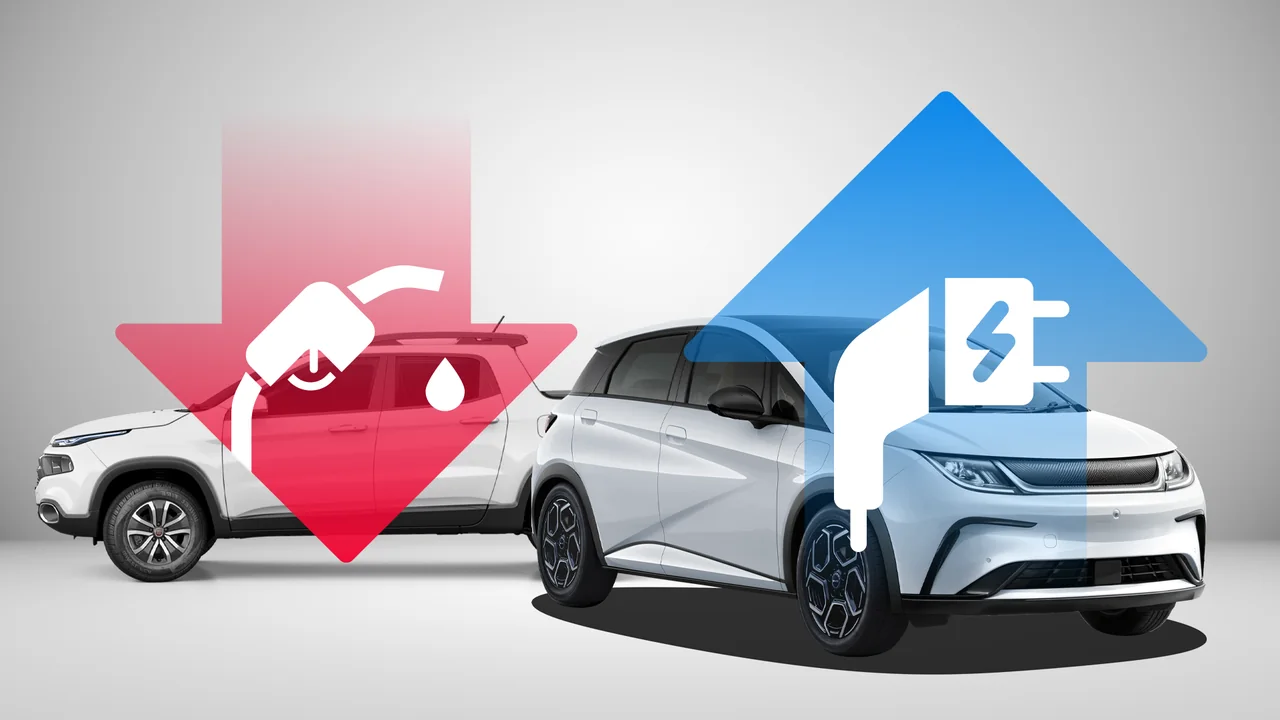
The recent fuel crisis has pushed more motorists to consider electric alternatives, and AutoTrader's latest data suggests that the market may already be shifting. Over the past four weeks, enquiries for diesel-powered passenger vehicles have declined by -18% compared to mid-February. This decline is notable in a country where diesel has long been a preferred option for motorists focused on fuel efficiency and long-distance driving.
The shift towards electric vehicles is gaining momentum, with searches for battery-electric vehicles up +45% over the same period. Hybrid searches are also rising sharply, up +16%. These shifts suggest that rising fuel costs are pushing many South Africans to reconsider their reliance on traditional fossil fuels.
This growing demand for battery-electric vehicles is not yet being matched by stock availability. BEV listings are down, which may limit consumer choice and encourage more people to consider purchasing an EV sooner rather than later.
The increasing interest in electric vehicles is a positive sign for the industry, as it indicates that consumers are becoming more aware of the benefits associated with switching to electric vehicles. As fuel prices continue to rise, this trend is likely to accelerate, driving demand for EVs and potentially changing consumer behavior.
AutoTrader's data suggests that the shift towards electric vehicles is not just driven by search behavior but also by actual purchasing decisions. Consumers are engaging more seriously with alternative technologies as running costs come under pressure.
The South African market is poised to undergo significant changes in the coming years, driven by the growing demand for electric vehicles and the need for consumers to adapt to changing fuel prices. As the industry continues to evolve, it will be interesting to see how manufacturers respond to this shift and what incentives they offer to encourage more people to switch to electric.
The increasing interest in electric vehicles is a wake-up call for the automotive industry, highlighting the need for greater investment in EV infrastructure and education. As consumers become more aware of the benefits associated with switching to electric vehicles, it is likely that we will see a significant increase in demand for EVs in the coming years.
As the global fuel crisis deepens, consumers are reevaluating their reliance on traditional fossil fuels and considering alternative technologies like electric vehicles.