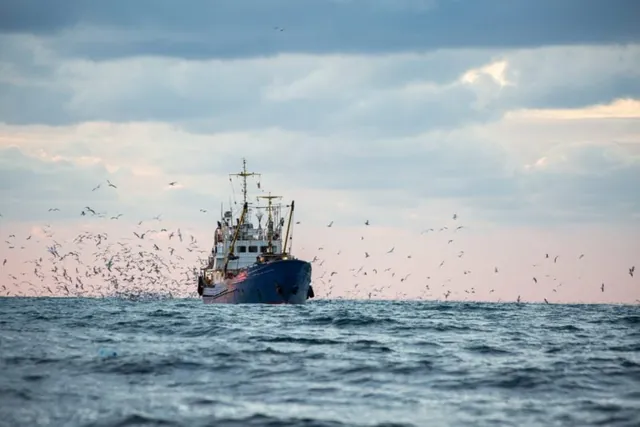

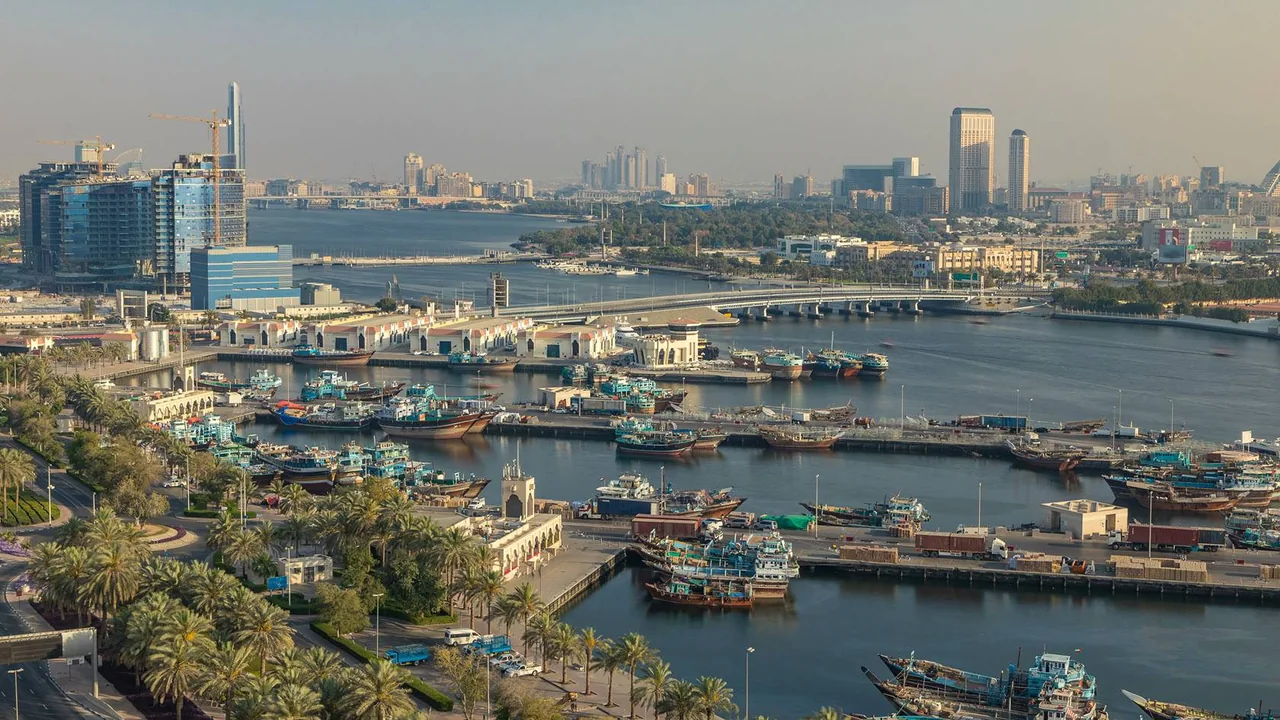
The waters of Dubai Port have witnessed a dramatic turn of events with an Iranian attack on a fully-loaded crude oil tanker. On Monday, Kuwait's state news agency reported that the Al-Salmi tanker, which was carrying a cargo of crude oil, had been targeted by Iran, leaving it ablaze and severely damaged.
The incident is just one in a series of attacks on merchant vessels by missiles or explosive air and sea drones in the Gulf and Strait of Hormuz since February 28. The escalation of such incidents has significant implications for the global oil market, with crude futures rising more than $3 to $105.91 a barrel on news of the attack.
Authorities in Dubai have confirmed that they are responding to a drone attack on the Kuwaiti oil tanker and are working to bring the fire under control. Fortunately, no injuries have been reported, and the safety of all 24 crew members has been secured, officials said. This outcome underscores the importance of swift response and effective emergency procedures in mitigating the impact of such incidents.
The damage assessment is ongoing for the tanker, with Kuwait Petroleum Corp stating that work is underway to accurately determine the extent of the damage. The company's parent entity, registered owner, and commercial operator, are all part of Lloyd's List Intelligence data.
In response to the attack on the Express Rome container ship off Saudi Arabia's Ras Tanura coast earlier in the day, maritime security experts reported two incidents where projectiles hit water near the vessel. These incidents highlight the ongoing threat posed by drones and other explosive devices to shipping lanes.
The Islamic Revolutionary Guard Corps had previously claimed responsibility for attacking the Express Rome on March 11, but no group has taken credit for the strike on the oil tanker or the projectiles.
Maritime risk-management groups like Vanguard have expressed concern over the increasing frequency of such incidents. These attacks not only pose a direct threat to crew safety but also disrupt global supply chains and fuel prices.
The global oil market is closely watching this development, with many analysts predicting that the incident will lead to increased volatility in crude futures markets. The ongoing tensions between Iran and other regional actors have created an environment conducive to such incidents.
As the situation continues to unfold, it remains to be seen how governments and shipping companies will respond to these attacks. One thing is clear: the security of maritime vessels must remain a top priority for all parties involved in order to prevent further disruptions to global trade and energy supplies.
The recent attack on the Kuwaiti tanker highlights the ongoing risks faced by maritime vessels in the Gulf region, underscoring the need for increased security measures to protect these critical assets.