

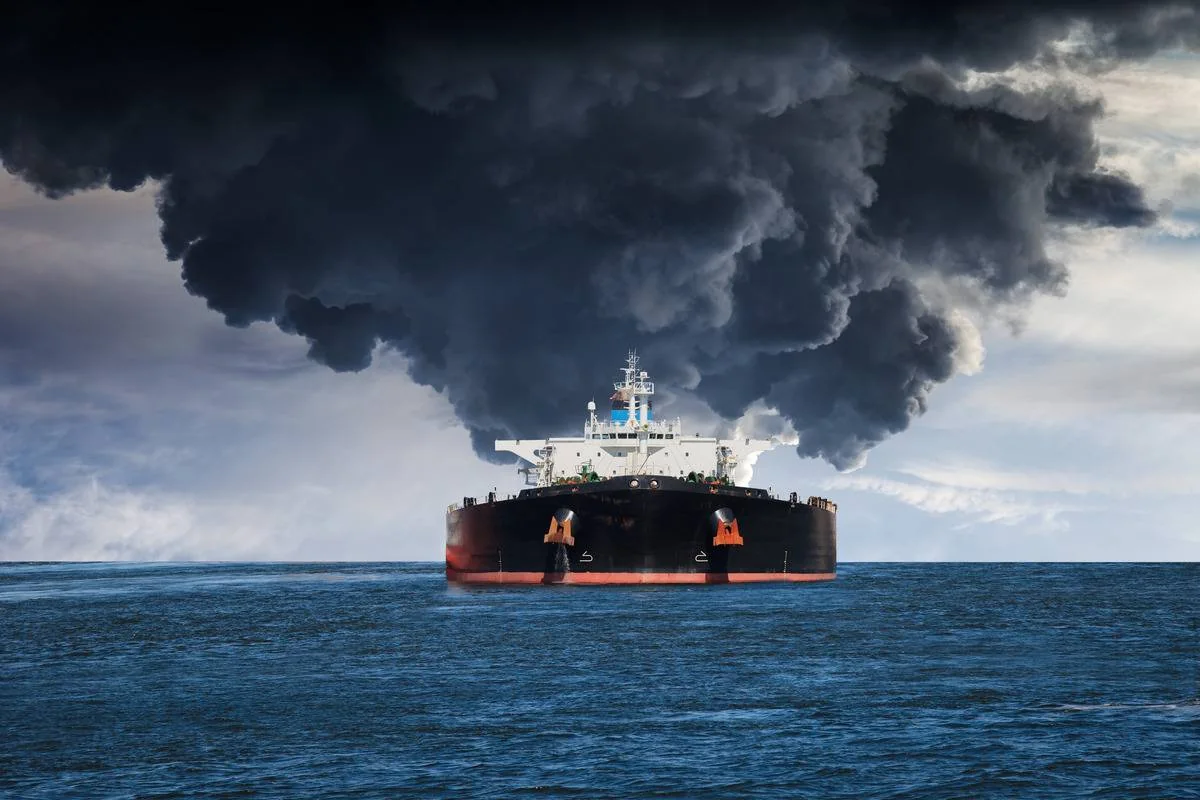
The attack on the Al-Salmi tanker marks the latest incident in a month-long conflict that has already killed thousands and disrupted energy supplies. The vessel was carrying 1.2 million barrels of Saudi crude oil and 800,000 barrels of Kuwaiti crude, making it one of the largest shipments of oil in recent months.
The incident is part of a broader pattern of attacks on merchant vessels in the Strait of Hormuz, which has been closed to all but Chinese ships since February 28. The US and Israel's attack on Iran on that day marked a significant escalation of tensions in the region, and this latest incident suggests that the conflict is far from over.
The Al-Salmi tanker was not the intended target, according to Iran's Revolutionary Guards, who claimed they had targeted a container ship in the Gulf due to its ties with Israel. However, it appears that the Haiphong Express, which was anchored next to the Al-Salmi, may have been mistakenly targeted.
The attack on the tanker has sent crude oil prices spiking again, as traders and analysts scramble to assess the implications of the incident for global energy markets. With attacks showing no sign of easing, the market is bracing itself for further disruptions to supply chains.
Pakistan's foreign minister, Ishaq Dar, is seeking to mediate in the conflict, hosting talks with Turkey, Egypt, and Saudi Arabia in a bid to find a peaceful resolution. However, China has issued a new appeal to all sides to halt military operations and allow Chinese ships to sail through the Strait of Hormuz.
The failure to secure a peace deal has prompted warnings from European energy officials that member states should prepare for a 'prolonged disruption' to energy markets. The US has also warned of the consequences of inaction, with President Trump stating that the US would obliterate power plants and oil wells if a deal was not reached soon.
The escalation of tensions in the Gulf is having far-reaching implications for global energy markets, with higher oil prices weighing on household finances and posing a political headache for leaders. The conflict has also raised concerns about the stability of the region and the potential for further disruptions to supply chains.
As the situation continues to unfold, traders and analysts are watching the Strait of Hormuz closely, waiting for signs that the conflict may be easing. However, with attacks showing no sign of easing, it remains unclear when or if a peaceful resolution will be reached.
The incident highlights the need for diplomatic efforts to resolve the conflict peacefully, rather than relying on military action. The international community must come together to find a solution that addresses the concerns of all parties involved and prevents further escalation.
The recent drone strike on a Kuwaiti oil tanker off Dubai highlights the ongoing escalation of tensions in the region, with far-reaching implications for global energy markets.