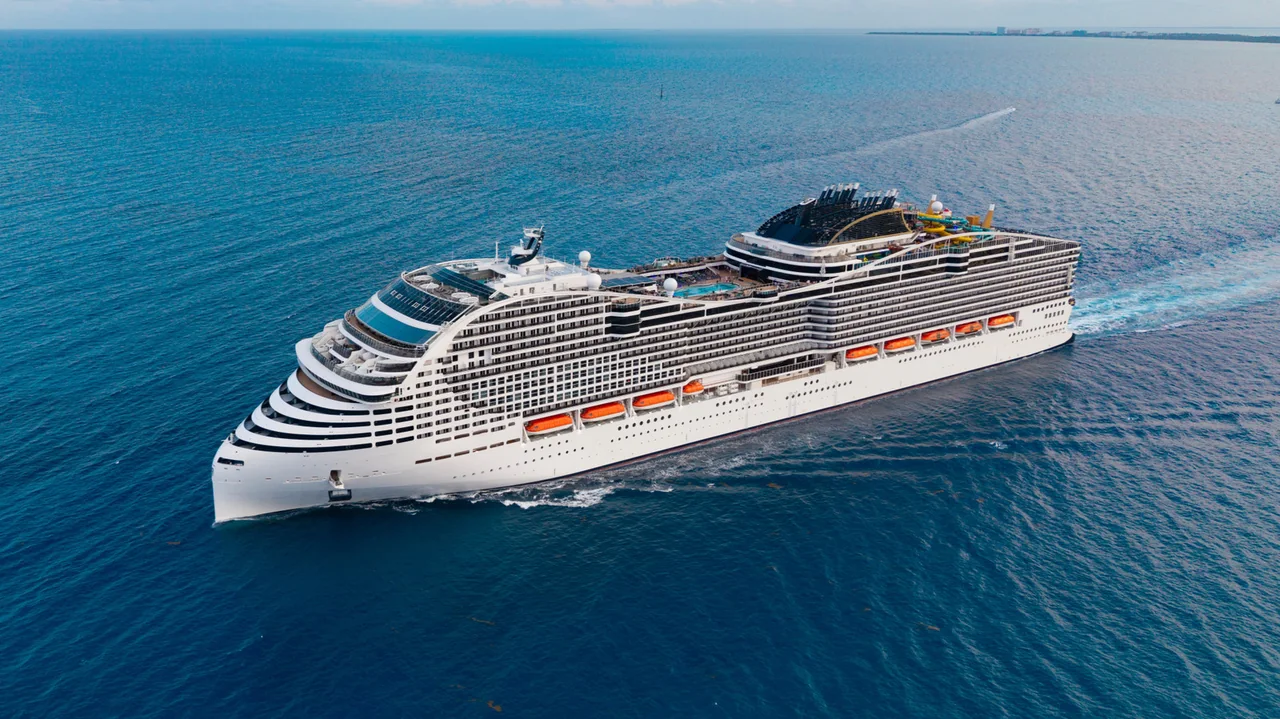
Diesel engines have been the preferred fuel for maritime use for many decades, due to their ability to overcome the drag forces that hinder a vessel's forward propulsion. The denser and more viscous nature of water compared to air requires a significant amount of power to move through it, making diesel engines an ideal choice for cruise ships. Additionally, the pressure drag created by the vessel's movement through the water adds to the overall resistance, necessitating a substantial amount of torque to maintain forward momentum.
The use of diesel engines in cruise ships is not limited to traditional vessels alone; modern ones often employ diesel-electric hybrid systems, which are similar to those found in diesel locomotives. In this setup, the diesel engine acts as a generator, powering the electric motors that drive the propeller. This configuration allows for greater efficiency and reduced emissions compared to traditional diesel engines.
Cruise ships typically have between four and eight engines, with main propulsion units and auxiliary engines used exclusively for the ship's electrical needs. The choice of medium-speed four-stroke diesel engines over slow-speed two-stroke engines is primarily due to emissions regulations, as these newer engines produce fewer pollutants. However, it's worth noting that cruise ships do not run on the same diesel fuel as trucks on land.
Modern emissions regulations are becoming increasingly stringent for the shipping industry, and cruise ships must adapt to meet these new standards. While some vessels still use heavy fuel oil (HFO), most cruise ships rely on marine diesel oil (MDO) or very-low-sulfur oil (VLSFO). This shift towards cleaner fuels is driven by a desire to reduce environmental impact and minimize emissions.
In response to the growing need for lower emissions, the shipping industry is exploring alternative engine solutions such as marine gas turbines and dual-fuel gas-diesel setups. One notable example is a cargo ship being built to run on ammonia, which offers a promising solution for reducing emissions in the future. However, these new technologies come with higher costs and operational complexities.
Gas turbine propulsion systems offer several benefits, including reduced NOx, SOx, and particulate emissions compared to traditional diesel engines. However, they also tend to be more expensive due to the complexity of the system and the need for specialized maintenance. Despite this, companies are willing to adopt modern technologies when there is a financial incentive.
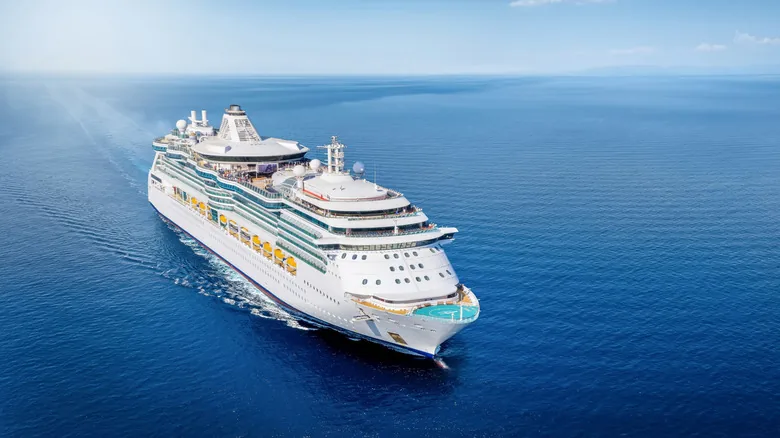
The adoption of alternative engine solutions in the maritime industry is not limited to cruise ships alone; other vessels are also beginning to transition towards cleaner fuels. For example, the now-retired Queen Elizabeth 2 was converted from traditional steam turbines to run on diesel power in the 1980s, demonstrating that companies are willing to invest in new technologies when there is a clear benefit.
As the shipping industry continues to evolve, it's likely that we'll see more vessels adopting alternative engine solutions. While diesel engines may not be going away anytime soon, the shift towards cleaner fuels and more efficient technologies is an important step towards reducing environmental impact and minimizing emissions.
The shift towards alternative engine solutions is driven by the need for lower emissions and reduced environmental impact.