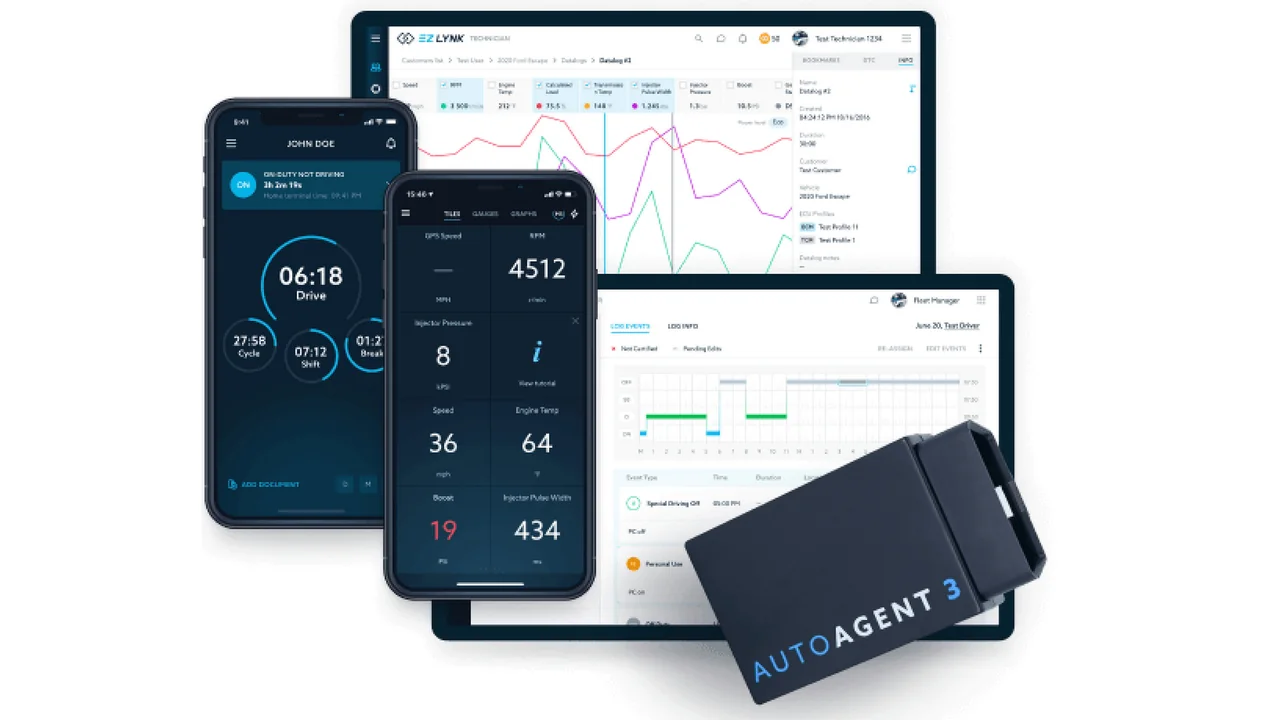
The US Department of Justice is cracking down on the EZ Lynk tuning app ecosystem, seeking customer information from Apple, Google, Amazon, and Walmart tied to users who downloaded the app's car-tinkering feature. The move has created tension with recent signals of softer emissions enforcement.
The gray area between legitimate diagnostics and tuning has grown since the Trump administration signaled it was no longer pursuing criminal prosecutions over emissions defeat devices. Now, the DOJ is seeking data from 100,000+ EZ Lynk users, which raises concerns about privacy and the potential for abuse.
The EZ Lynk app itself did not have a 'dump gallons of fuel into the injectors' button, but it allowed tuners and customers to connect through it. This digital trail has caught the attention of the DOJ, which claims the company built an ecosystem designed around emissions deletes.
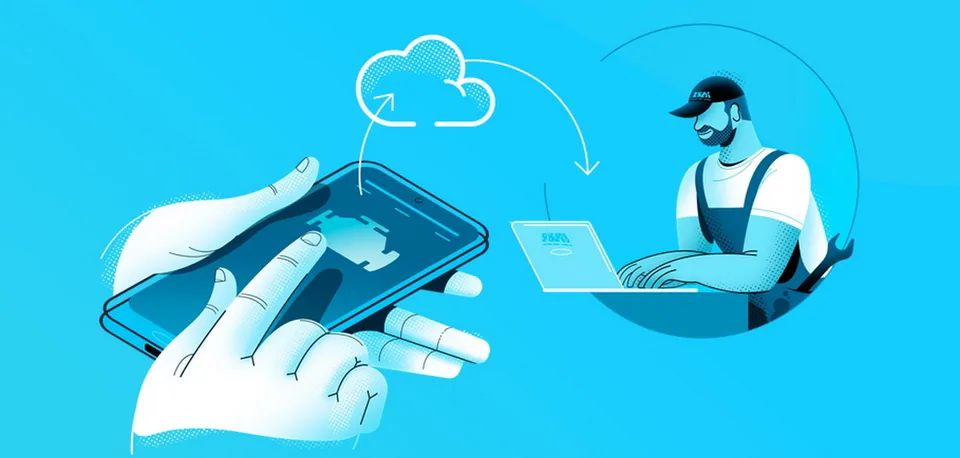
However, EZ Lynk argues that it simply built a tool that could also be used for legal diagnostics, monitoring, and tuning. The company's lawyers say investigating this claim does not require identifying each person who has used the product.
The recent shift in emissions enforcement signals suggests that the government is moving away from prosecuting cases tied to emissions software tampering. However, the DOJ's actions in this case indicate that it is still willing to take a closer look at the matter.
Google and Apple plan to fight the data demand, while Walmart declined to comment on the matter. The outcome of this case will likely have implications for the tuning industry and the use of digital platforms for diagnostics and tuning.
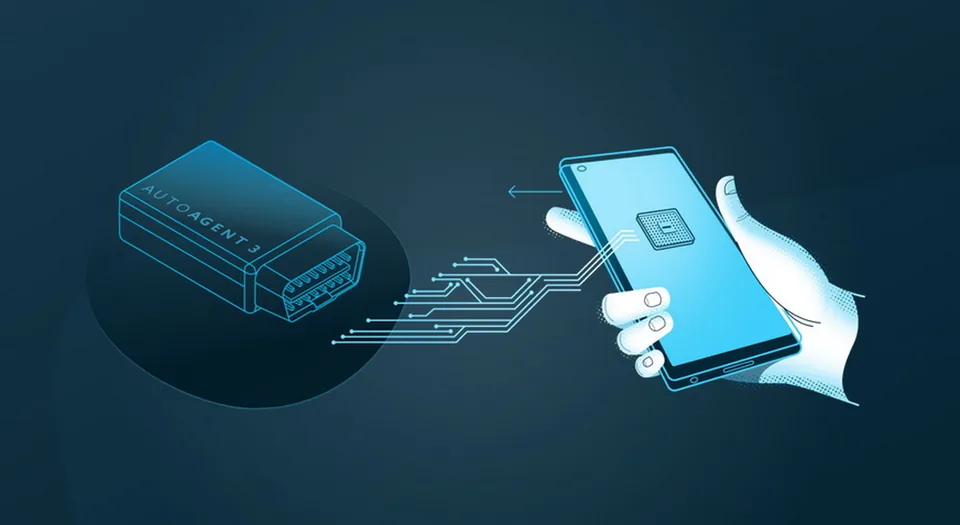
The DOJ's actions in this case highlight the need for greater clarity around what constitutes legitimate diagnostics versus malicious activity. As the use of digital platforms continues to grow, it is essential that we establish clear guidelines and regulations to prevent abuse.
The tension between the government's desire to regulate emissions and the need for innovation in the tuning industry is a delicate one. The DOJ's actions in this case demonstrate that the line between regulation and overreach can be easily blurred.
As the automotive industry continues to evolve, it is crucial that we prioritize transparency, accountability, and clear regulations to ensure that innovations like EZ Lynk's app are developed and used responsibly.
This case highlights the gray area between legitimate diagnostics and tuning, and how it can be exploited for malicious purposes.