

Homeowners in New York state can now receive financial incentives for investing in home energy management and battery storage systems. The programs are designed to encourage the use of renewable energy sources and improve grid resilience. By tapping into stored energy during peak-demand events, utilities can strengthen the grid and reduce strain on traditional power plants.
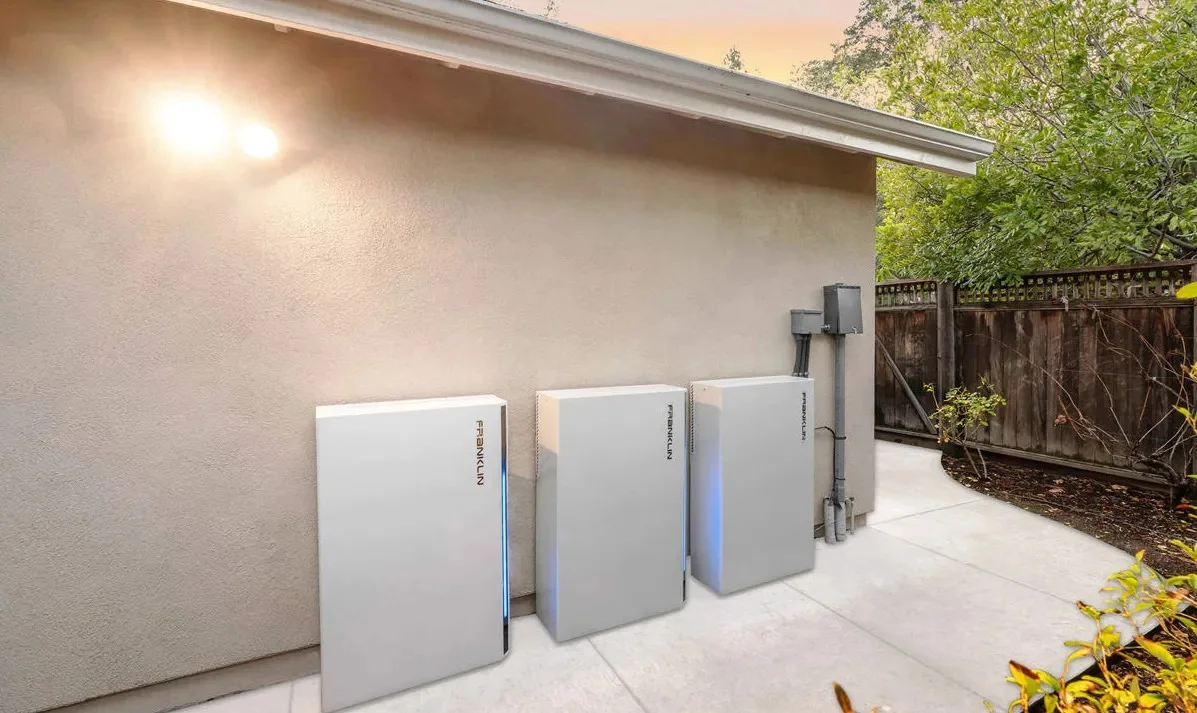
The incentives come from the New York State Energy Research and Development Authority (NYSERDA) and virtual power plant (VPP) programs provided by National Grid's ConnectedSolutions and Orange & Rockland Utilities' Smart Savers Battery Program. Homeowners who participate in these programs can receive up to $3,000 in upfront incentives for purchasing battery storage systems such as FranklinWH Energy Storage Inc.'s aPower 2 or aPower S.
These battery systems offer usable storage capacity of 15 kWh and the ability to manage up to 20 kW of PV input power. In addition to the upfront incentive, utilities provide ongoing payments to homeowners when their batteries are tapped to strengthen the grid during peak-demand events. This not only benefits the homeowner but also contributes to a more sustainable energy future.
New York is one of five states that offer state-level incentives through NYSERDA. When combined with utility incentives, these programs significantly reduce upfront costs for homeowners. As a result, more people can now invest in battery storage systems and take advantage of the benefits they provide.
Homeowners can enroll in these programs by working with certified local installers who handle permitting, installation, and utility interconnection. Once the system is installed and connected, utilities can draw on stored energy during peak-demand events. This process typically takes one to two days once permits and approvals are complete.
The installation costs for home battery systems vary depending on system size and home configuration. Homeowners work with certified local installers who handle all aspects of the installation process, including permitting and utility coordination. The full process usually takes a few weeks to complete.
Homeowners can expect to pay around $3,000 upfront for a battery storage system such as FranklinWH's aPower 2 or aPower S. However, with ongoing payments from utilities, the total cost is significantly reduced. This makes it more affordable for homeowners to invest in battery storage systems and take advantage of the benefits they provide.
The batteries used in these systems have a lifespan of around 15 years and are designed to scale with multiple batteries depending on household needs. The FranklinWH System uses lithium iron phosphate (LFP) chemistry, which is known for its thermal stability, long cycle life, and safety.
When homeowners enroll in utility programs, their systems can participate in virtual power plants (VPPs). During periods of high demand, utilities draw small amounts of energy from many homes at once. This not only benefits the homeowner but also contributes to a more sustainable energy future.
The incentives provided by New York State and utilities like National Grid and Orange & Rockland Utilities significantly reduce upfront costs, making battery storage more accessible to homeowners.


