

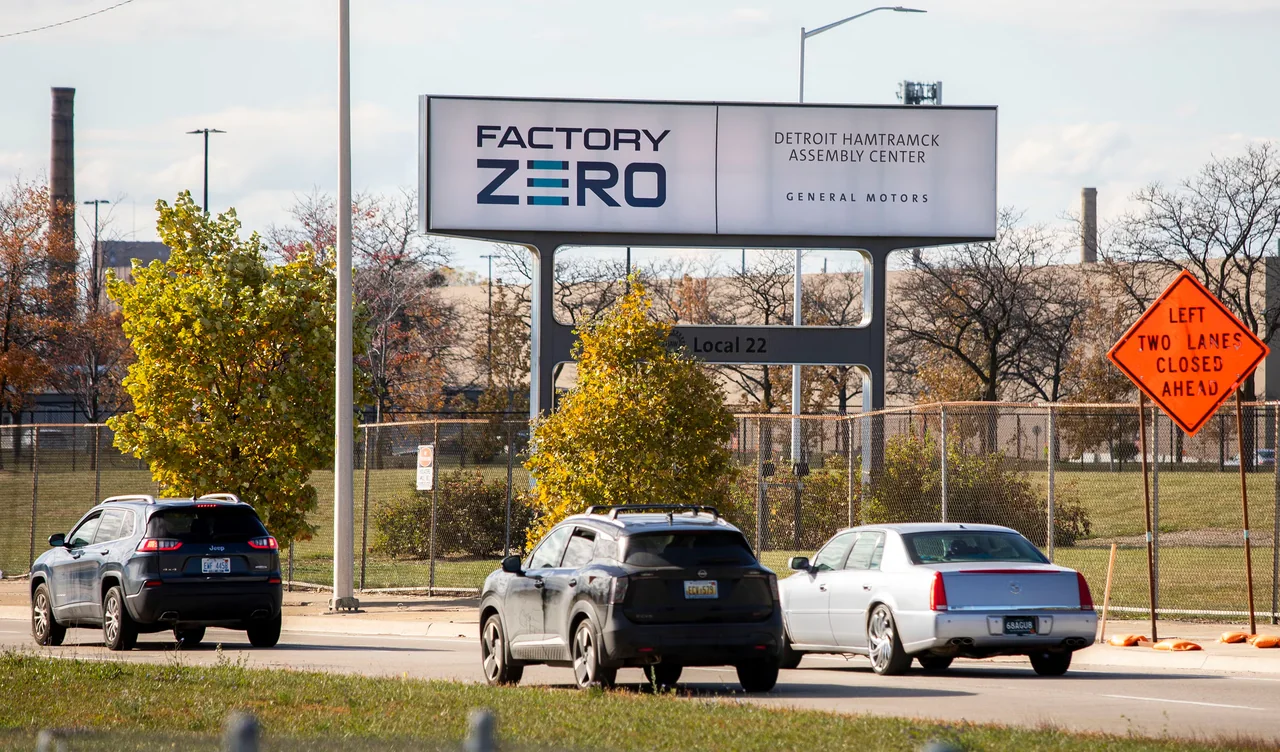
General Motors has announced that it will keep its main Detroit EV plant, Factory ZERO, closed through April 13, extending a shutdown that began on March 16. This move temporarily lays off approximately 1,300 workers at the plant, which builds the Chevrolet Silverado EV and GMC Hummer EV. The decision is a necessary adjustment according to GM, as production at Factory ZERO has been up and down over the past year due to the cooling broader electric vehicle market.
GM cut production by roughly half earlier this year and has since reduced shifts and reduced battery production. Reports indicate that thousands of workers across GM's assembly and battery operations have been affected by layoffs or furloughs. This latest pause is a significant development in the ongoing shift towards more sustainable energy solutions, but it also highlights the challenges faced by automakers in adapting to changing consumer preferences.
The slowdown in electric vehicle demand has led many automakers to reexamine their electric vehicle strategies as regulations continue to shift and consumer interest wanes. GM has already reported $7.6 billion in writedowns related to its EV programs, a significant financial burden that underscores the challenges of investing in emerging technologies.

At the same time, the company is looking more to its money makers for a financial lift. GM confirmed plans to boost production of heavy-duty internal-combustion trucks at a Michigan plant starting in June. This move suggests that GM is shifting its focus towards more established and profitable areas of the business.
However, this shift also raises questions about the company's commitment to electric vehicles. With the pause in production at Factory ZERO, it appears that GM is taking a step back from its EV ambitions, at least for the time being. This decision may have significant implications for the broader automotive industry and the future of sustainable energy solutions.
The slowdown in electric vehicle demand has far-reaching consequences for the entire industry. As consumers become increasingly environmentally conscious, automakers must adapt to changing preferences and invest in emerging technologies. The pause in production at Factory ZERO is a clear indication that GM is taking a cautious approach to navigating this shift.

It remains to be seen how this decision will impact GM's overall strategy and financial performance. However, it is clear that the slowdown in electric vehicle demand presents significant challenges for automakers like GM. As the industry continues to evolve, companies must be willing to adapt and adjust their strategies to remain competitive.
The pause in production at Factory ZERO may also have implications for workers affected by the shutdown. The temporary layoff of 1,300 workers highlights the human cost of this shift and underscores the need for more sustainable and equitable solutions. As the industry continues to evolve, it is essential that companies prioritize the well-being of their employees and invest in training and development programs.
Ultimately, the decision to pause production at Factory ZERO is a significant development in the ongoing shift towards more sustainable energy solutions. While it may present challenges for GM and the broader automotive industry, it also highlights the need for innovation and adaptability in the face of changing consumer preferences.

The slowdown in electric vehicle demand is forcing automakers to reevaluate their strategies, and GM's decision to pause production at its main Detroit EV plant is a clear indication of this shift.