


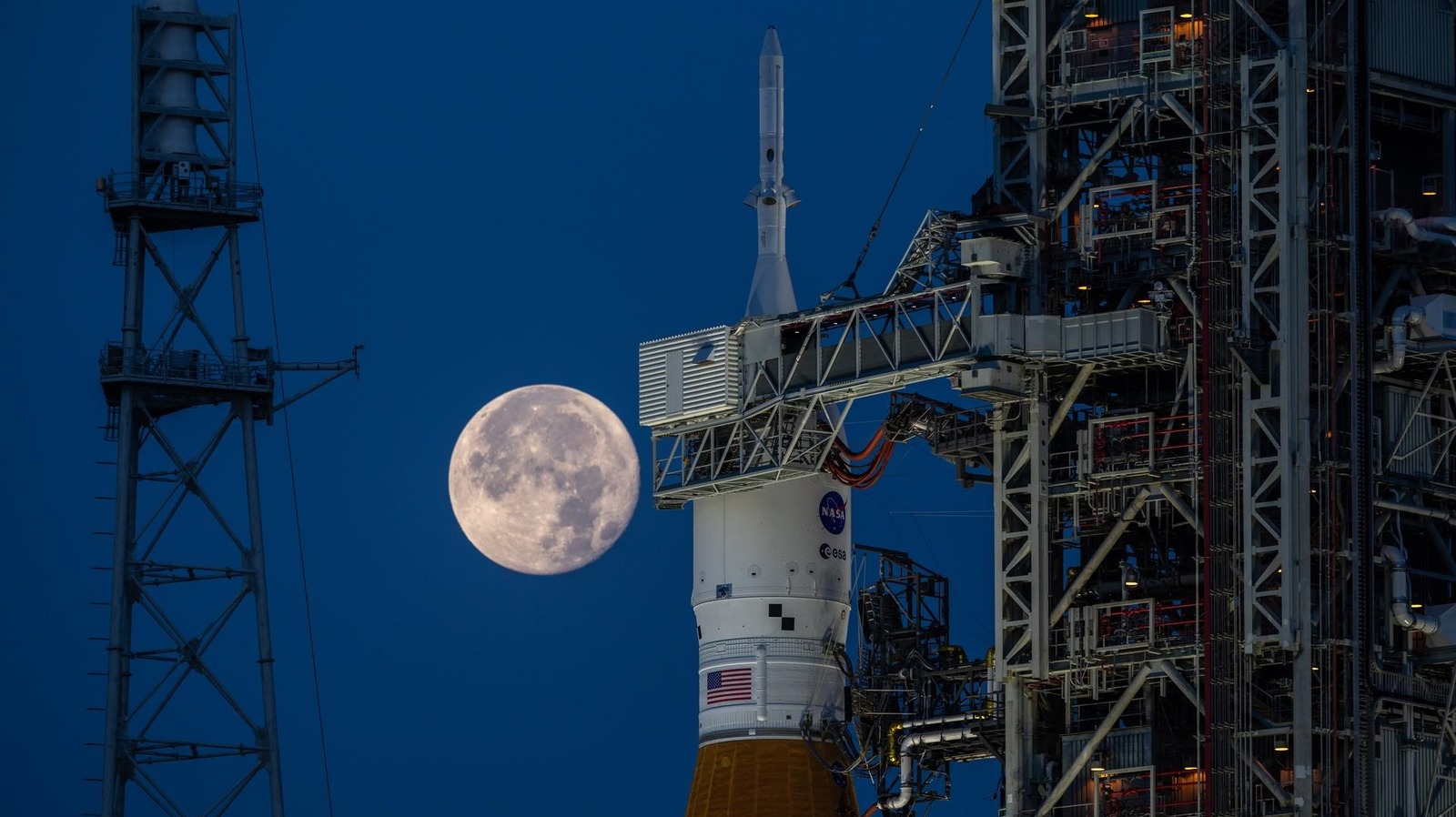
NASA's Artemis II mission is set to launch in early April, marking the first time humans will visit the Moon since the 1970s. The mission aims to send a crew of four astronauts on a ten-day journey to the orbit of the Moon, with the primary objective of proving that the Orion spacecraft can complete this trip successfully. This is the second part of NASA's ambitious Artemis program, which seeks to return astronauts to the lunar surface in the near future.
The mission will take the crew to nearly 4,000 miles over the surface of the far side of the Moon, where they will conduct some science and surveys during their stay. However, the main purpose of the mission is to test the Orion spacecraft's capabilities, with a successful launch setting the stage for future Artemis missions that do involve landings.
While tickets to the launch event are already sold out, the Kennedy Space Center can be observed from publicly accessible areas around it, making it possible for spectators to catch a glimpse of the mission without having to purchase expensive tickets. NASA has also set up a running livestream on YouTube, allowing viewers to follow along with the mission in real-time.
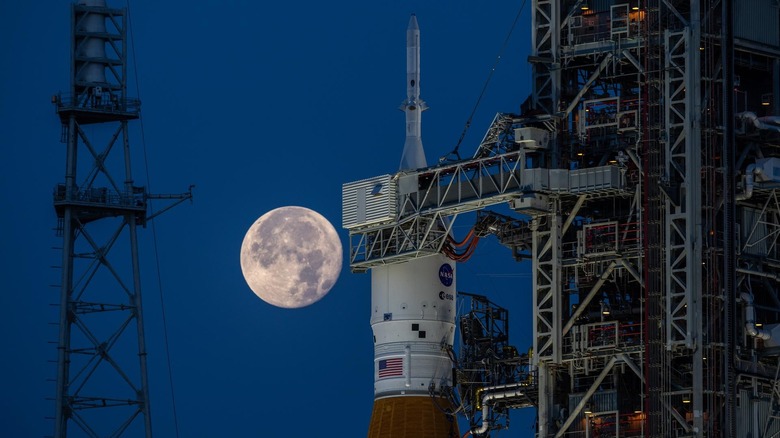
The launch windows for April will last for two hours each, and the rocket is already positioned on the platform, so if all goes well, the countdown to ignition can begin soon. The potential launch dates are subject to weather conditions and other factors, but NASA is confident that everything will go according to plan.
The Artemis II mission marks a significant milestone in the program's diversity efforts, with the crew including the first woman, first person of color, and first Canadian on a lunar mission. The name 'Artemis' itself reflects this diversity, being the Greek goddess of the Moon.
Reid Wiseman serves as commander of the Artemis II mission, having previously spent 165 days in space aboard the International Space Station (ISS). He was also NASA's chief of the Astronaut Office until his selection for the mission.
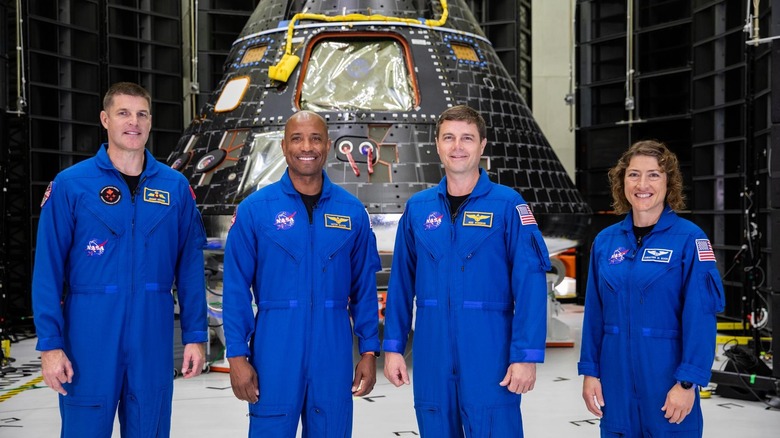
Victor Glover will pilot the Orion spacecraft on this mission, bringing with him experience from being the pilot of SpaceX Crew-1, the first mission to send astronauts to the ISS using the Falcon 9 rocket. His expertise will be crucial in ensuring the success of the Artemis II mission.
The Artemis program represents a significant step forward for NASA's efforts to return humans to the lunar surface. The success of this mission will pave the way for future missions that do involve landings, marking an exciting new chapter in space exploration.
As the world watches the Artemis II mission unfold, it is clear that this is just the beginning of a new era in space travel and exploration. With the success of this mission, NASA is poised to make history and push the boundaries of human knowledge and achievement.
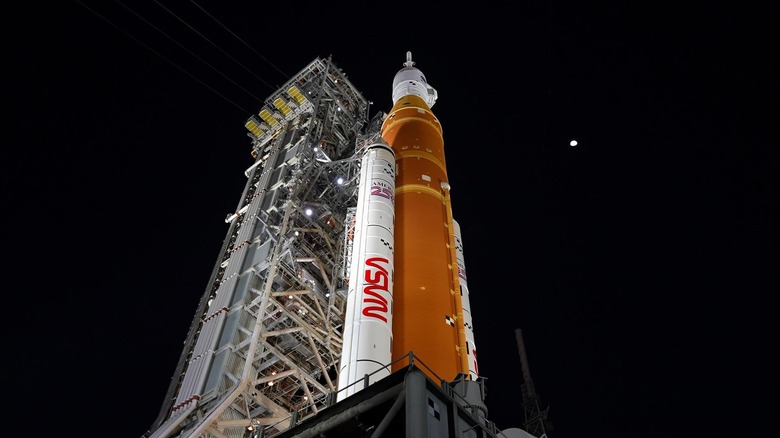
The Artemis program marks a significant step forward in NASA's efforts to return humans to the lunar surface, with the success of Artemis II paving the way for future missions.