
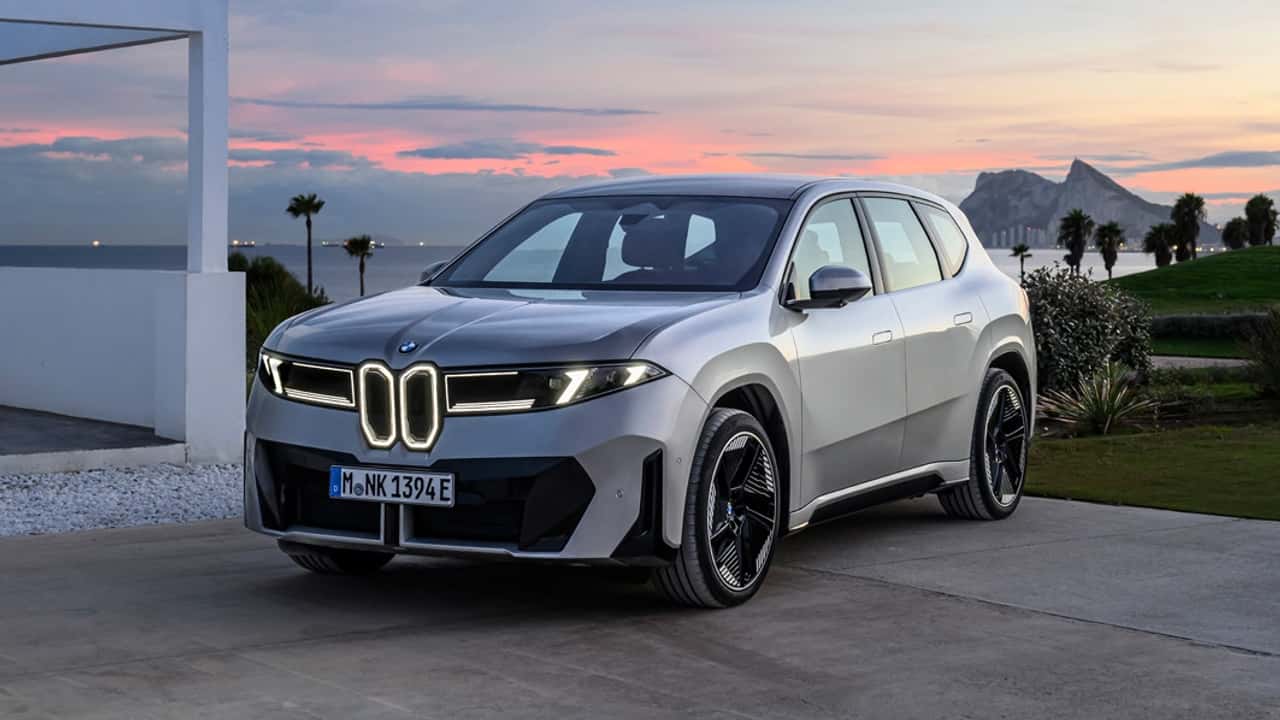
BMW has introduced a new rear-drive version of its popular compact SUV, the iX3 40, which boasts an impressive WLTP range of 395 miles. This is made possible by a smaller battery pack compared to its front-wheel drive counterpart. The reduced size and weight of the battery have also led to a lower price point for the new model. As a result, buyers can now enjoy the benefits of electric mobility without breaking the bank.
The iX3 40's WLTP range is still significantly larger than many other electric vehicles in its class. This makes it an attractive option for those looking for a long-distance driving experience without the need for frequent charging stops. The smaller battery pack, however, means that the rear-drive model will not be able to match the front-wheel drive version's performance capabilities.
One of the key benefits of the iX3 40 is its impressive efficiency. BMW has achieved an WLTP range of 395 miles from a single charge, making it one of the most efficient electric vehicles in its class. This is thanks to the optimized battery management system and the use of regenerative braking to capture kinetic energy.
The reduced size and weight of the iX3 40's battery pack has also led to a lower center of gravity, making the vehicle more stable and responsive. This is particularly important for drivers who enjoy spirited driving experiences on twisty roads. However, the rear-drive layout means that the vehicle will not be as agile or fun to drive as its front-wheel drive counterpart.
The iX3 40's electric powertrain is also equipped with a range of advanced safety features, including automatic emergency braking and lane departure warning. These features add an extra layer of protection for drivers and passengers, making the vehicle even more appealing to those looking for a safe and reliable driving experience.
In terms of pricing, the iX3 40's lower battery pack has led to a reduction in the starting price compared to its front-wheel drive counterpart. This makes it an attractive option for buyers who want to enjoy electric mobility without sacrificing too much performance or range. However, the exact price point will depend on the trim level and options chosen.
The iX3 40's smaller battery pack may also raise questions about the long-term durability of the vehicle's electric powertrain. However, BMW has assured owners that its batteries are designed to last for many years and miles, with some estimates suggesting they could retain up to 70% of their original capacity after 100,000 miles.
Overall, the iX3 40 offers an impressive combination of range, efficiency, and affordability. Its smaller battery pack may be a drawback for some buyers, but it also makes the vehicle more accessible to those who want to try out electric mobility without committing to a larger investment.
As the demand for electric vehicles continues to grow, manufacturers are under increasing pressure to balance performance, range, and affordability. The iX3 40's move to a rear-drive layout and smaller battery pack is an interesting example of how companies can adapt to changing market conditions while still delivering on their core promises.
The move could make the iX3 more competitive in the growing electric vehicle market, but also raises questions about the trade-off between range and affordability.