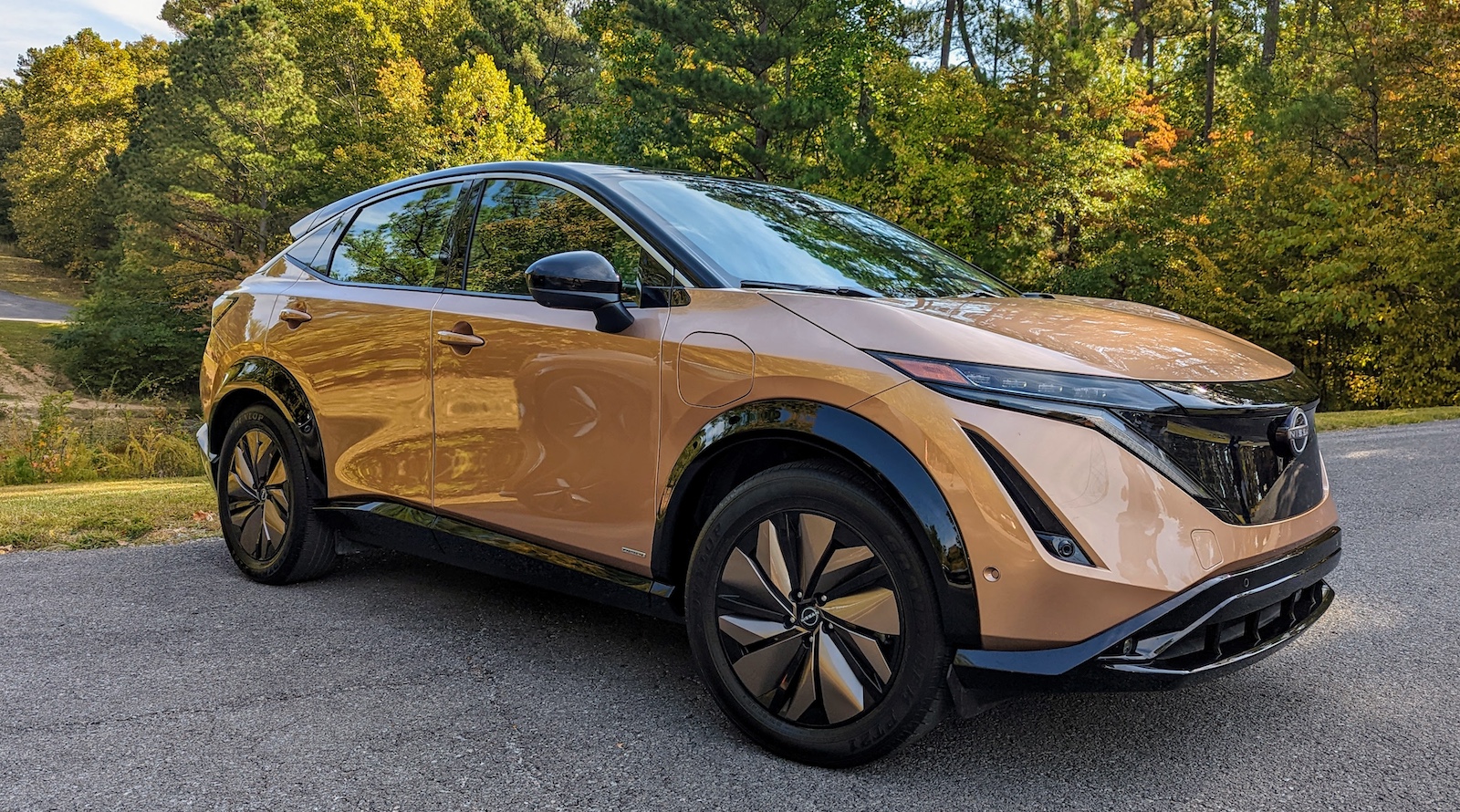
A new electric vehicle bill has been passed in Wyoming, aiming to reduce the financial burden on residents who own and drive these vehicles. The bill, titled 'HB0145 – Removing triple taxation for resident EV drivers,' aims to lower the annual registration fee for all-electric vehicles from $200 to $100, and further decrease it to $50 for plug-in hybrid electric vehicles. This move is expected to make electric vehicles more accessible to a wider range of people in Wyoming.
The bill also exempts 'alternative fuels' like electricity for vehicles from sales tax, mirroring gasoline's exemption. This change will help reduce the overall cost of owning an electric vehicle and make it more competitive with traditional gas-powered cars. The exemption on level two chargers is another significant benefit, as these slower chargers are often found at local businesses or in town.
A Wyoming Democrat who drives an EV and owns an EV charger firm proposed the new bill. The bill was also co-sponsored by a Wyoming Republican who drives an EV, demonstrating bipartisan support for the measure. This collaboration highlights the growing recognition of the importance of electric vehicles in reducing greenhouse gas emissions and promoting sustainable transportation.

The idea behind the bill is to shift the tax burden from residents to tourists who use public fast chargers, which are often found at tourist attractions or along highways. By doing so, the state hopes to attract more visitors who are willing to pay a premium for the convenience of public charging infrastructure.
According to PlugShare, Wyoming has approximately 350 public EV chargers, although the number of registered electric vehicles in the state is relatively low, with only around 1,300 EVs. Despite this, the bill's passage marks an important step towards supporting the growth of the electric vehicle market in Wyoming.
The non-profit organization Yellowstone-Teton Clean Cities has welcomed the bill, stating that it will 'streamline, welcome and fair way for electric vehicle owners to pay a fuel tax.' This change is expected to boost the adoption of electric vehicles in Wyoming, as residents and tourists alike become more aware of the benefits of sustainable transportation.
The exemption from sales tax on alternative fuels like electricity will also have a positive impact on the state's economy. By reducing the financial burden on electric vehicle owners, the bill aims to promote the growth of the EV market and create new opportunities for businesses that cater to this growing segment.
As the US transitions towards more sustainable transportation options, local policies like Wyoming's are crucial in supporting the adoption of electric vehicles. By providing incentives and reducing barriers to entry, states can encourage residents to make informed choices about their vehicle purchases.
The bill's passage is a significant step forward for Wyoming's efforts to reduce greenhouse gas emissions and promote sustainable transportation. As more states follow suit with similar legislation, it is likely that the US will see a significant increase in electric vehicle adoption in the coming years.
The bill's exemption of alternative fuels from sales tax and level two charger tax will likely attract more tourists to Wyoming, who are often the primary users of public fast chargers.