The redesigned 2027 or 2028 Hyundai Tucson adds sharp styling, hybrid power, and smarter tech to take on the RAV4 and CR-V. Hyundai is preparing a major product offensive with an overhaul of its hot-selling Tucson compact SUV. Set to challenge market leaders like the Toyota RAV4 and Honda CR-V, the upcoming model, internally known as NX5, takes a sharp turn from the sportier curves and edges of the current version, leaning heavily into a more squared and rugged appearance.
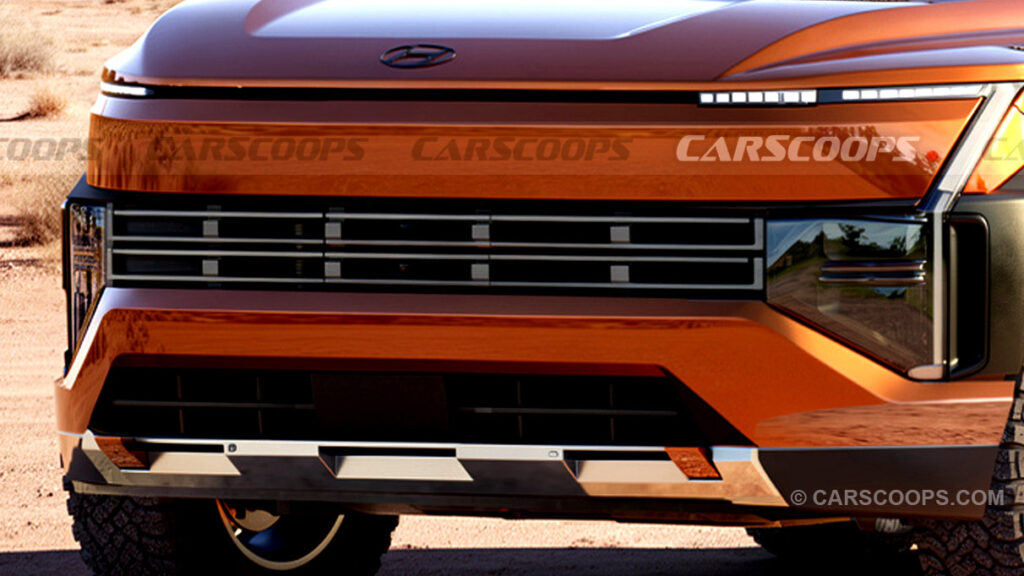
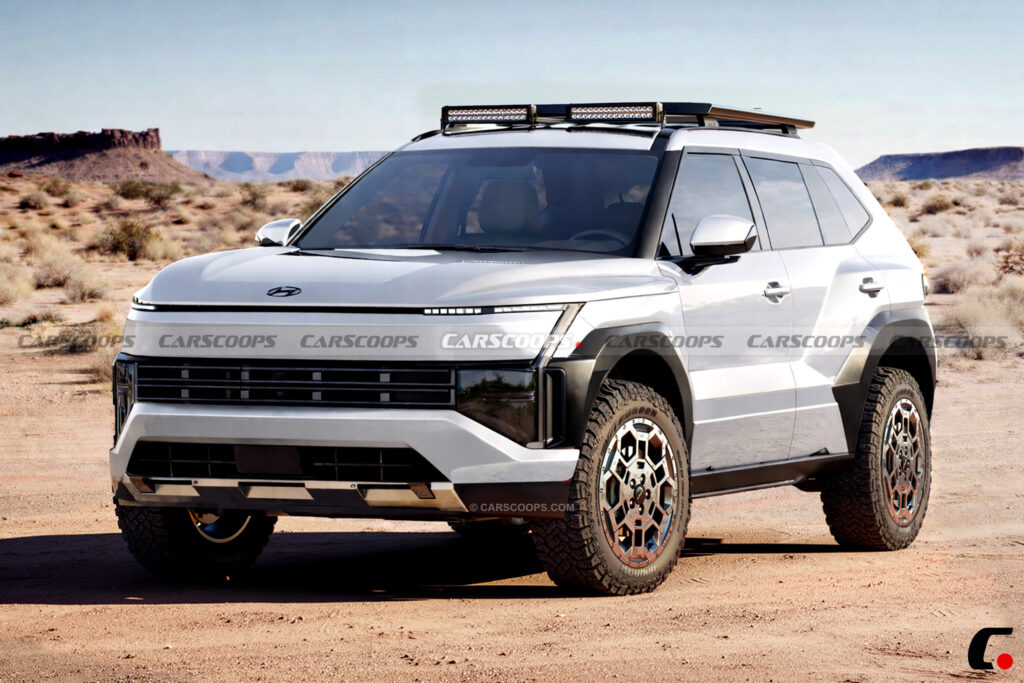
Drawing inspiration from the CRATER concept shown late last year, the redesigned Tucson carries Hyundai’s evolving ‘Art of Steel’ design theme. The look emphasizes rigid lines, pixel lighting, and a more squared-off presence that signals a clear break from its predecessor’s softer profile. Up front, it wears pixelated daytime running lights that sweep downward into the main headlamp units.
A clamshell-style hood wraps over the front fenders, while further down, the grille sports a wider geometric pattern, giving it a tough, utilitarian appearance. From the side, the profile is defined by chunky lower cladding, a shallow rising waistline and angular wheelarch flourishes. The contrasting a-pillars are from the Range Rover school of design, and the rear quarter windows are shallower and more upright in aesthetic.

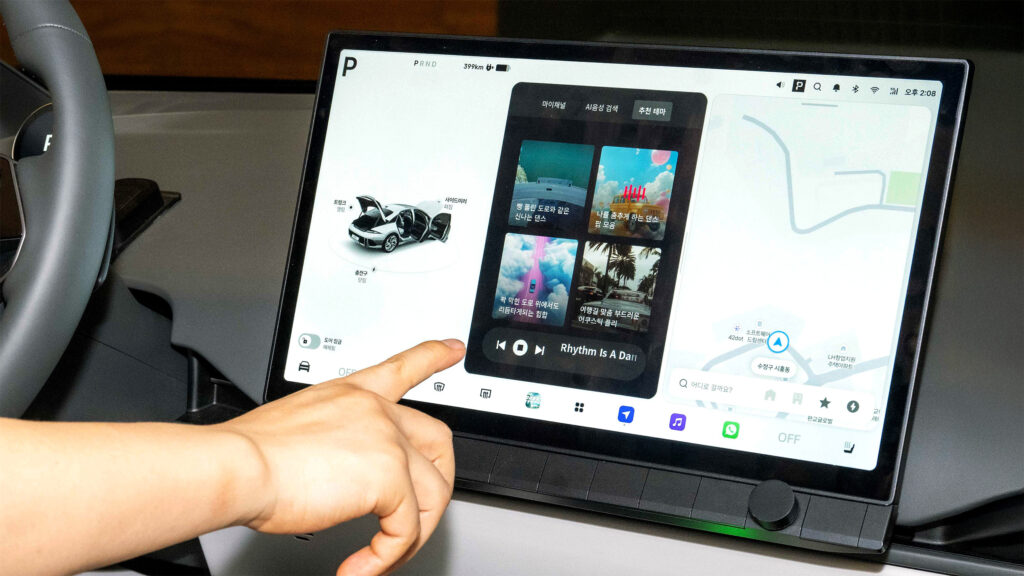
Slim vertical LED taillights and a single-exit exhaust finish off the back view. Inside, Hyundai’s next-generation Pleos Connect operating system will debut with a Tesla-style touchscreen and a suite of apps and connectivity features. The Android Automotive-based system features an AI-powered assistant to handle natural voice commands for navigation, media, and vehicle settings.
Cabin styling will mirror the exterior’s angular theme. The door cards, for instance, will feature a diagonal line that cuts downward, while the dashboard incorporates vertical decorative inserts. Elsewhere, the layout is expected to strike a balanced mix of physical buttons and digital controls.
The gear lever will likely shift from the center console to the steering column, freeing up space between the front seats. 0-litre oil burner once seen in several global markets is no longer. 6-litre plug-in hybrid options.
The hybrid variants are likely to employ updated versions of Hyundai’s current HEV systems, while the plug-in hybrid is expected to front up with roughly 62 miles or 100 km of electric-only range. On the sportier end of the spectrum, there’s speculation that Hyundai may introduce performance-focused variants later in the Tucson’s lifecycle, potentially including an N-branded model with uprated hybrid output to rival the new Toyota RAV4 GR Sport. When it reaches showrooms, the new Tucson will have some tough company in a segment dominated by the Toyota RAV4 and Honda CR-V.
Other rivals include Mazda’s new CX-5 , Ford Bronco Sport, Kia Sportage, Subaru Forester, VW Tiguan, Nissan Rogue/Outlander and Chevrolet Equinox. An official unveiling is expected later this year, with sales slated to begin in key markets by early 2027. S.
as either a 2027 or 2028 model year. Pricing hasn’t been confirmed yet, though Hyundai is expected to position the updated Tucson competitively within its segment.
The new Tucson's hybrid powertrain and advanced tech features will likely appeal to environmentally-conscious buyers, while its sportier variants could attract enthusiasts looking for a fun-to-drive compact SUV. As the market becomes increasingly competitive, Hyundai will need to balance its focus on innovation with the need to deliver a solid driving experience.