

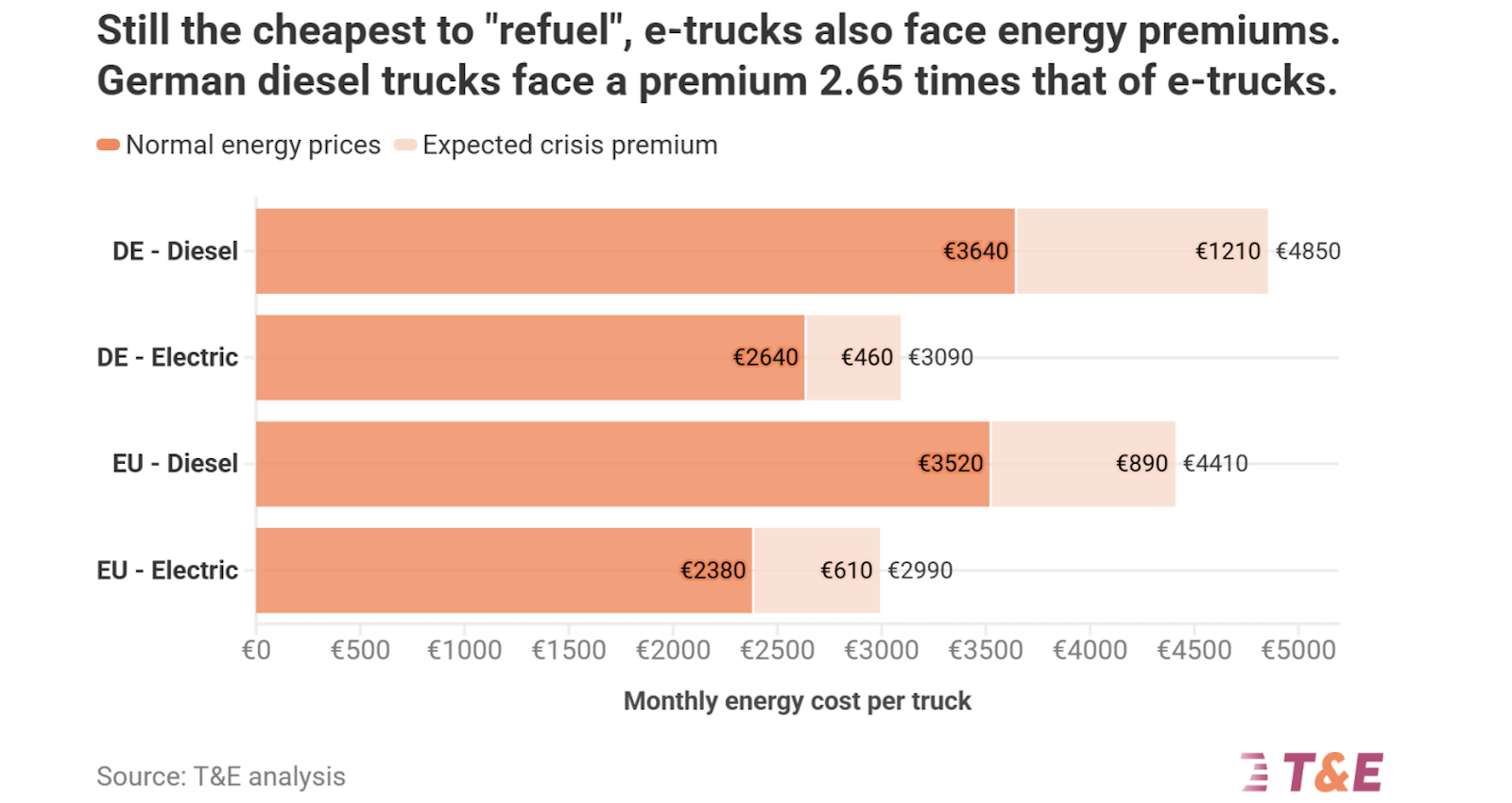
The recent EU Parliament approval of weakened HDV CO2 standards serves as a stark reminder that Europe's path to strategic sovereignty lies in accelerating electrification of road freight transport. The ongoing energy crisis in the Middle East is further emphasizing the need for sustainable alternatives. With energy prices on the rise, truck owners and operators are looking for ways to reduce their costs and minimize their environmental impact.
The shift towards electric trucks is gaining momentum as the energy crisis deepens. New analysis highlights the benefits of electrification, including lower operating costs and reduced greenhouse gas emissions. As the world becomes increasingly dependent on imported oil, the Middle East's energy crisis is having a profound impact on global energy markets.
One of the key advantages of electric trucks is their lower operating costs. With electricity being generally cheaper than diesel fuel, electric trucks can save truck owners and operators significant amounts of money on fuel costs. This is particularly important for long-haul drivers who spend a significant amount of time on the road.

Another benefit of electric trucks is their reduced greenhouse gas emissions. As the world transitions to a low-carbon economy, governments are placing increasing pressure on industries to reduce their environmental impact. Electric trucks offer a cleaner alternative to diesel-powered vehicles, making them an attractive option for companies looking to improve their sustainability credentials.
However, there are still some challenges associated with electric trucks. For example, the high upfront cost of electric vehicles can be a barrier to adoption. Additionally, the limited range and charging infrastructure in some areas can make it difficult for drivers to use electric trucks for long-haul trips.
Despite these challenges, many companies are investing heavily in electric truck technology. Tesla, Rivian, and other manufacturers are working to improve the efficiency and range of their electric vehicles, making them more competitive with diesel-powered trucks. As the energy crisis deepens, it's likely that we'll see even more investment in electric truck technology.
The benefits of electrification extend beyond just cost savings and reduced emissions. Electric trucks can also provide a significant boost to local economies through the creation of new jobs and infrastructure development. As the demand for electric vehicles grows, manufacturers are creating new manufacturing facilities and charging stations, injecting money into local communities.
As the world becomes increasingly dependent on imported oil, the Middle East's energy crisis is having a profound impact on global energy markets. The war in Ukraine has already led to significant price hikes for diesel fuel, and it's likely that we'll see even more volatility in the coming months. In this context, electric trucks offer a reliable alternative to traditional diesel-powered vehicles.
In conclusion, the benefits of truck electrification are becoming increasingly evident as energy prices continue to rise. As the world transitions to a low-carbon economy, electric trucks are poised to play an increasingly important role in reducing greenhouse gas emissions and improving sustainability credentials. With investment in electric truck technology on the rise, it's likely that we'll see even more adoption of electric vehicles in the coming years.
As energy prices continue to rise, the benefits of truck electrification are becoming increasingly evident.