

The Philippines has received an assurance from Iran that it will allow the safe passage of Philippine-flagged vessels, fuel and Filipino seafarers through the Strait of Hormuz. This development comes after a call between Philippine foreign minister Ma. Theresa Lazaro and her Iranian counterpart Abbas Araqchi. The two top diplomats discussed energy supply security and the safety of Filipino seafarers. Their conversation aimed to address concerns over the potential risks associated with navigating the sensitive region.
The assurance provided by Iran was made public through a statement from the Philippine foreign ministry, which highlighted the importance of ensuring the safe passage of vessels and personnel. The Iranian Foreign Minister assured the Secretary that Iran will allow the safe, unhindered, and expeditious passage through the Strait of Hormuz of Philippine-flagged vessels, energy sources, and all Filipino seafarers. This move is likely to alleviate concerns over potential disruptions in the country's energy supplies.
The call between Lazaro and Araqchi was described as 'productive' by the Philippine foreign minister, indicating a positive outcome from their discussion. They reached a 'positive understanding' to ensure the safety of seafarers and the security of the Philippines' energy needs. This agreement is a significant step in maintaining regional stability.
The assurances provided by Iran will significantly enhance the country's energy security. Given that the Philippines imports the majority of its energy requirements from the Middle East, these assurances from Iran will greatly facilitate the steady delivery of critical oil and fertilizer supplies to the Philippines. The country's reliance on foreign energy sources makes it vulnerable to price shocks and supply disruptions.
The Philippines' dependence on Middle Eastern oil is a pressing concern for the country. Saudi Arabia is its largest supplier, accounting for almost all of its crude imports. This reliance creates a delicate balance between energy security and economic stability. The recent assurances from Iran will help mitigate this risk.
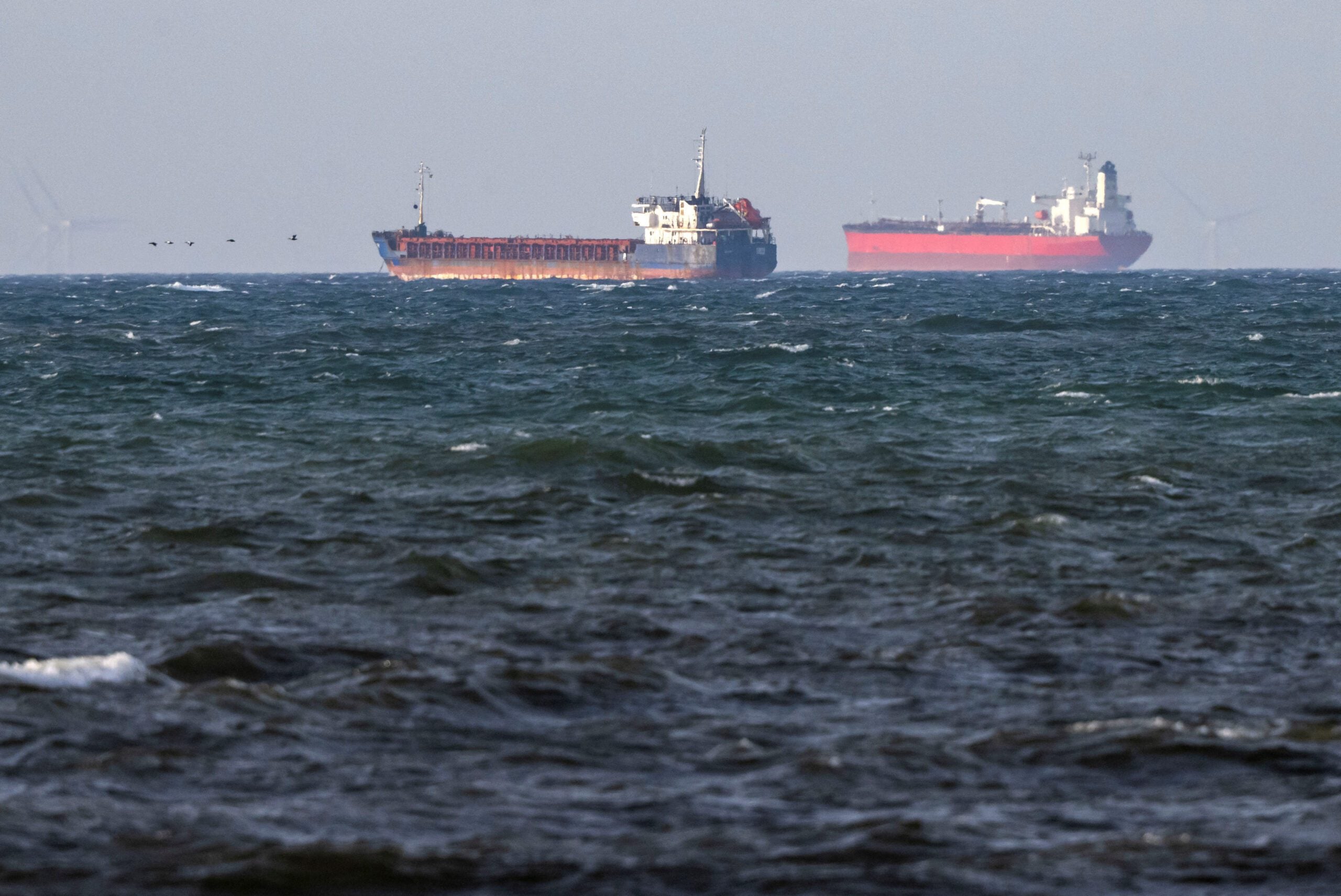
The Strait of Hormuz is a critical waterway that connects the Persian Gulf to the Gulf of Oman. It is a key route for oil shipments from the Middle East to global markets. The region's geopolitical tensions have made navigating this strait increasingly challenging. Iran's assurance on safe passage will likely ease concerns over potential disruptions in energy supplies.
The agreement between Lazaro and Araqchi highlights the importance of diplomatic efforts in addressing regional security concerns. By working together, countries can reduce the risk of conflict and promote stability. This cooperation is particularly crucial for countries that rely heavily on international trade and commerce.
While the assurances from Iran are a positive development, there remains a need for continued vigilance over energy security. The Philippines must remain proactive in monitoring regional developments and engaging with key stakeholders to ensure its energy needs are met. This will require sustained diplomatic efforts and cooperation with other nations.
The recent agreement between the Philippines and Iran marks an important step towards enhancing regional stability. By addressing concerns over energy supply security, the two countries have helped promote a more secure and stable environment for international trade and commerce.