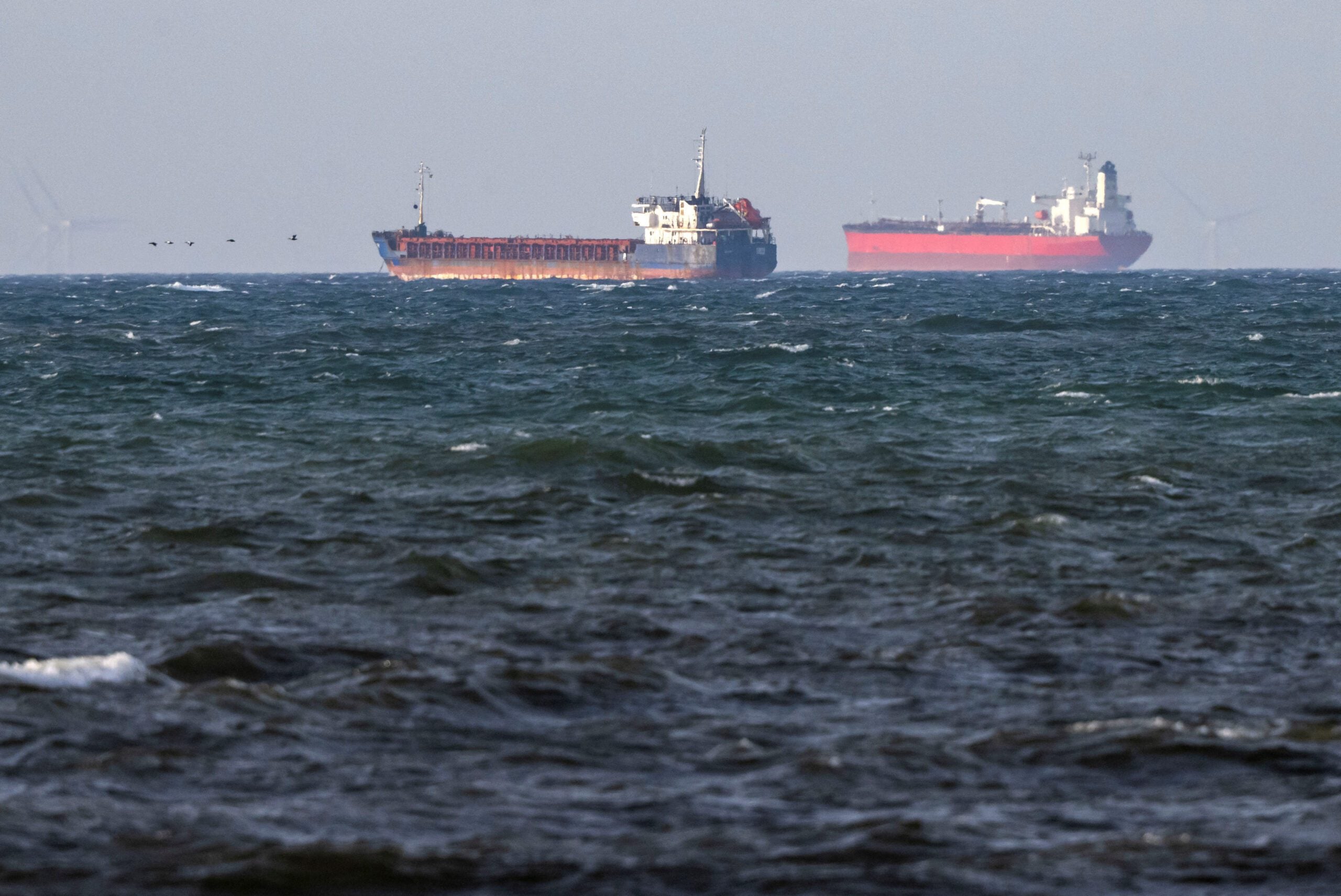

The United States is currently facing immense pressure to resolve the ongoing war in Iran, with nearly five weeks having passed since the joint U.S.-Israeli aerial assault began. The conflict has resulted in chaos spreading across the region and affecting financial markets worldwide. As a result, governments around the globe are prioritizing the reopening of the Strait of Hormuz, a vital waterway that accounts for approximately one-fifth of global oil consumption. With energy prices skyrocketing, the stakes have never been higher for the U.S. administration to find a swift resolution to this crisis.
The U.S.-Israeli strikes on Iran in late February marked the beginning of a war that has left many nations scrambling for ways to mitigate its impact. The Iranian government's response, which includes effectively shutting down the Strait of Hormuz, has further exacerbated tensions and raised concerns about global energy security. As the conflict continues to unfold, the international community is holding out hope that a peaceful resolution can be reached soon.
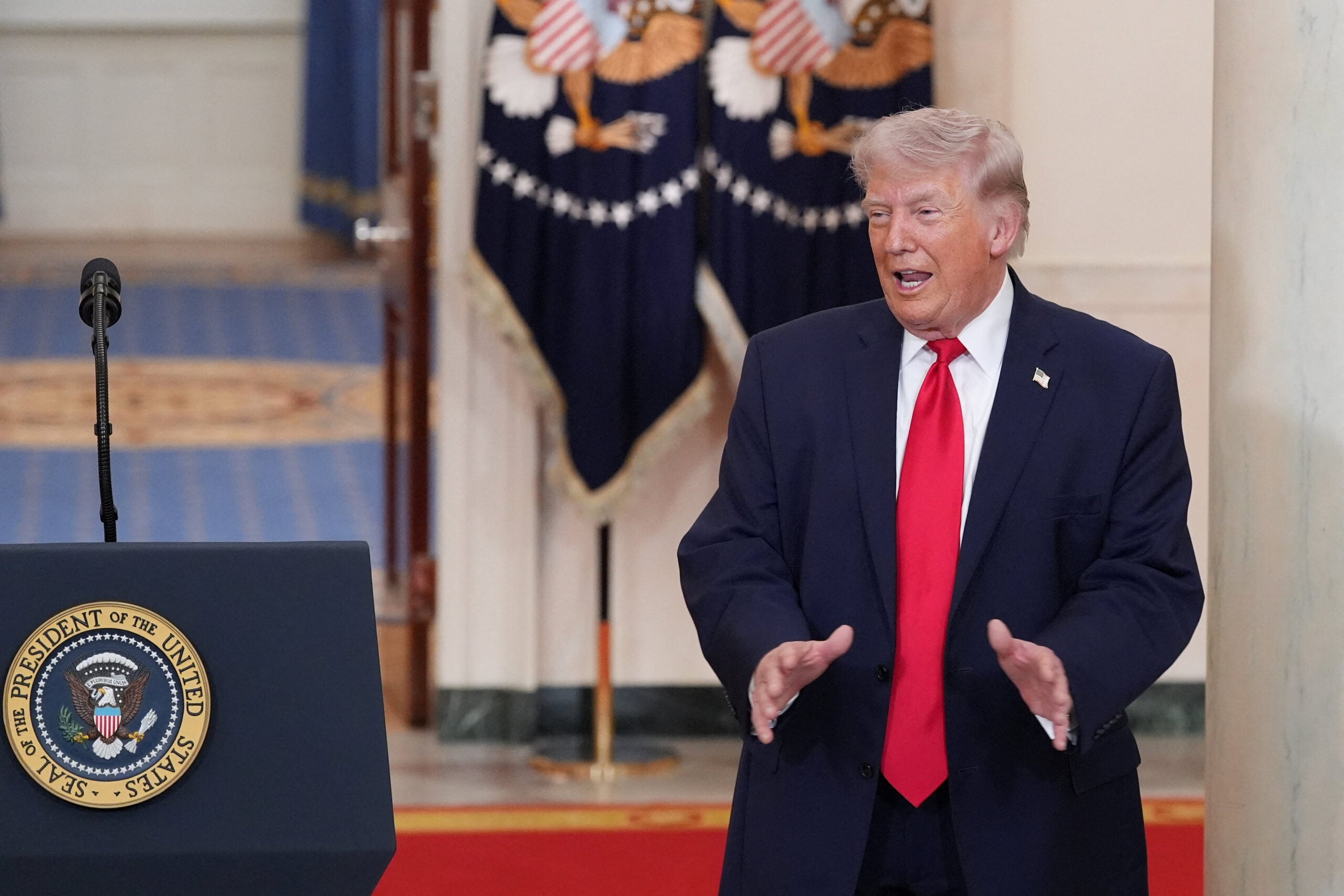
In a recent statement on Truth Social, President Donald Trump claimed that the U.S. could open the Strait of Hormuz with a little more time, sparking both optimism and skepticism among observers. While Trump's words may have been perceived as a message of reassurance, they also underscored the complexity and uncertainty surrounding this crisis.

The war in Iran has significant implications for global energy markets, with many countries relying on the Strait of Hormuz to meet their oil needs. The Iranian government's actions have effectively blocked access to this critical waterway, leading to concerns about supply chain disruptions and potential price spikes. As tensions continue to rise, it is essential that all parties involved prioritize dialogue and cooperation.
The international community has been watching with bated breath as the situation in Iran continues to unfold. With no clear timeline for ending hostilities, many are left wondering when a resolution will be reached. The ongoing conflict has already had far-reaching consequences, including the impact on global financial markets and regional stability.
In recent days, Trump repeated his threats against Iran's civilian power plants, further straining relations between the two nations. While these statements may have been intended to demonstrate resolve, they also risk escalating tensions and making a peaceful resolution even more challenging.
The U.S.-Iran conflict has significant implications for global energy security, with many countries relying on the Strait of Hormuz to meet their oil needs. The ongoing crisis has already had far-reaching consequences, including the impact on global financial markets and regional stability. It is essential that all parties involved prioritize dialogue and cooperation to mitigate these effects.
As the situation in Iran continues to unfold, it is clear that a swift resolution is needed to alleviate pressure on global energy markets and regional stability. With no clear timeline for ending hostilities, many are left wondering when a resolution will be reached. The ongoing conflict has already had significant consequences, including the impact on financial markets.
The U.S.-Iran conflict has sparked concerns about global energy security, with many countries relying on the Strait of Hormuz to meet their oil needs. With energy prices soaring, it is essential that all parties involved prioritize dialogue and cooperation to mitigate these effects and ensure a peaceful resolution to this crisis.
As the world watches the situation in Iran unfold, it is clear that a swift resolution is needed to alleviate pressure on global energy markets and regional stability. The ongoing conflict has significant implications for global energy security, and it is essential that all parties involved prioritize dialogue and cooperation to mitigate these effects and ensure a peaceful resolution.