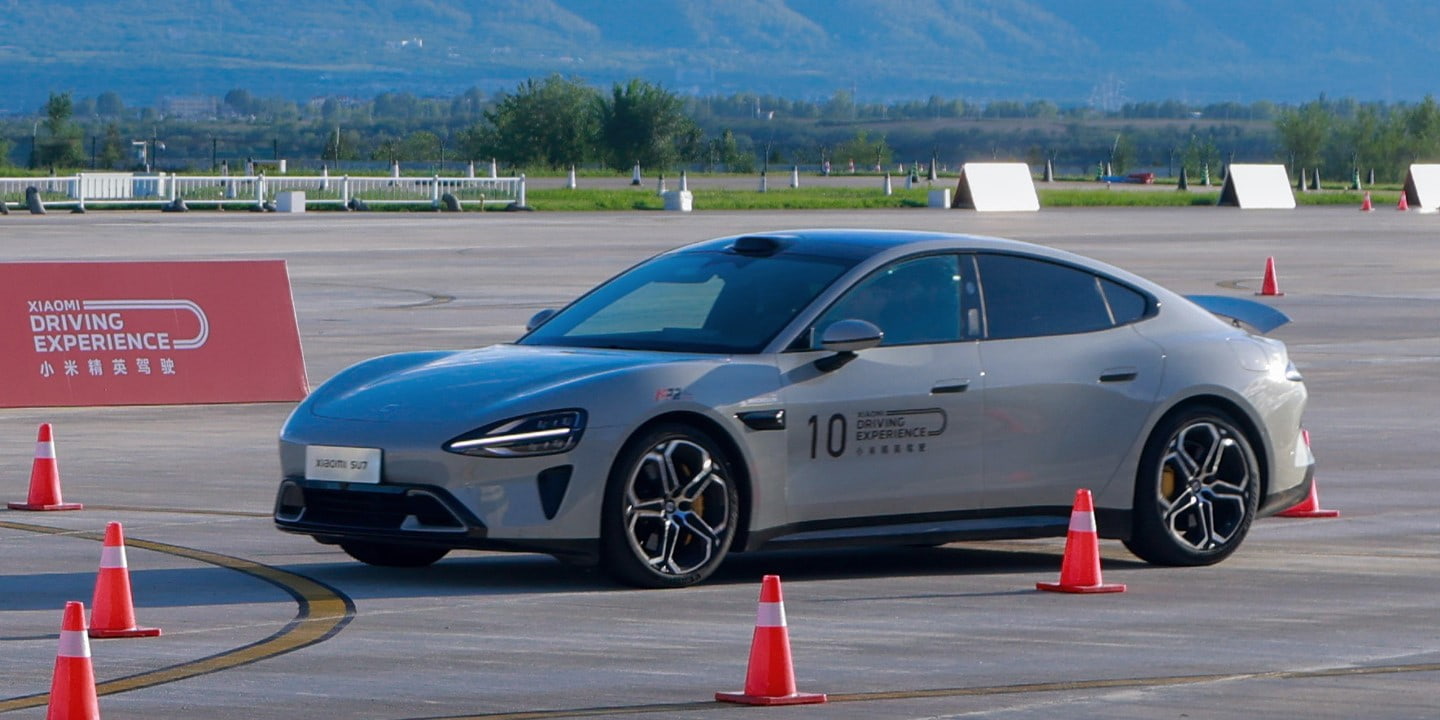
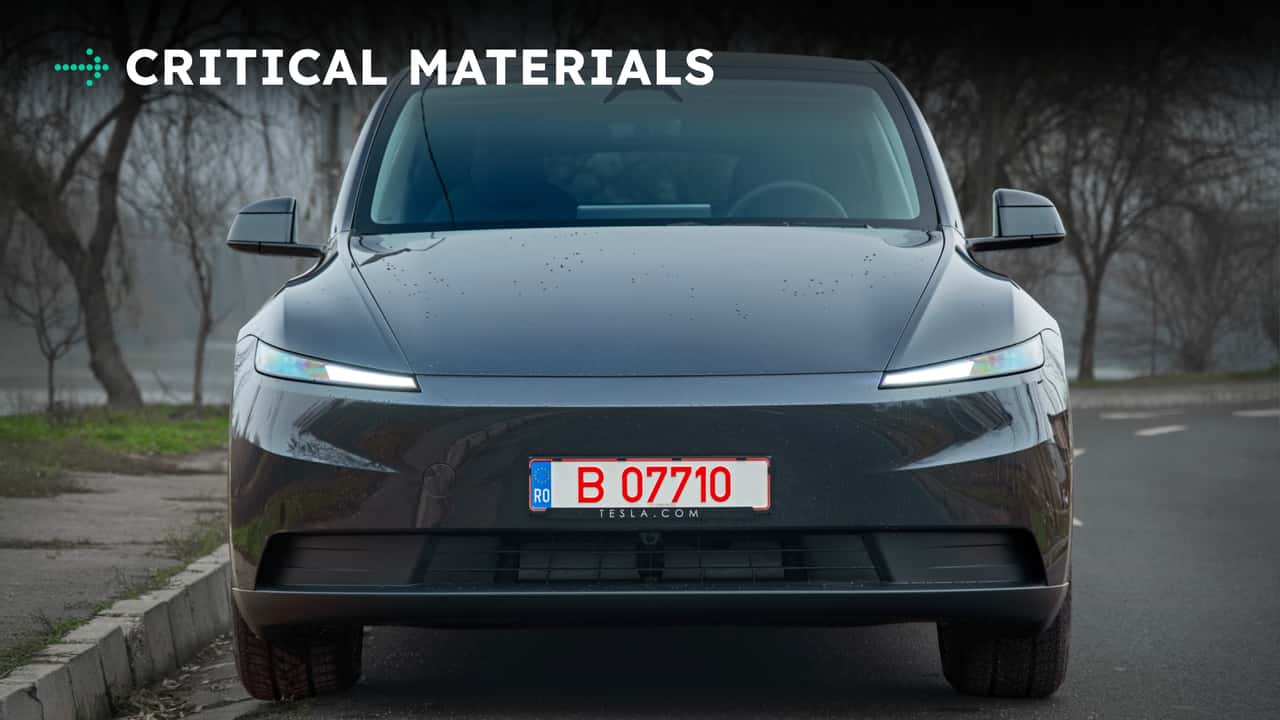

Poland is set to restrict certain cars from military areas due to concerns over data security and potential intelligence gathering capabilities. The move follows the UK's decision to ban Chinese electric vehicles from military zones, citing fears that modern automotive tech could be used for surveillance.
A recent study in Poland referred to these vehicles as 'Smartphones on Wheels,' highlighting their ability to capture sensitive geolocation data and pose a safety risk. The Polish government is drafting a policy to ban Chinese-made vehicles from all military installations across the country, including adjacent parking areas.
This decision aims to address concerns over data security and prevent potential access to sensitive information gathered by modern automotive tech like cameras, radars, and sensors. The restrictions are expected to apply not only to models from specific brands but also to any vehicles equipped with Chinese-made software or sensor components.
Industry experts speculate that similar measures could reach other sectors, such as key infrastructure hubs like airports, but would need to be carefully structured to comply with European competition laws and avoid regulatory backlash. As the debate around data security and surveillance continues, it is essential to consider the potential implications of these measures on the automotive industry and consumer rights.
This move highlights the growing concern over data security in the automotive sector, particularly with the increasing adoption of advanced technologies like cameras and sensors in modern vehicles. As the use of Chinese-made EVs becomes more widespread, it is crucial to address these concerns to ensure public safety and prevent potential misuse of sensitive information.