
Ford's electric vehicle sales plummeted in the first quarter, marking a significant decline. This downturn has created an opening for Rivian to capitalize on the growing demand for eco-friendly vehicles. As a result, Rivian's sales saw a substantial increase, surpassing Ford's sales by 40%. The surge in Rivian's EV sales is attributed to its strong product lineup and expanding dealership network.
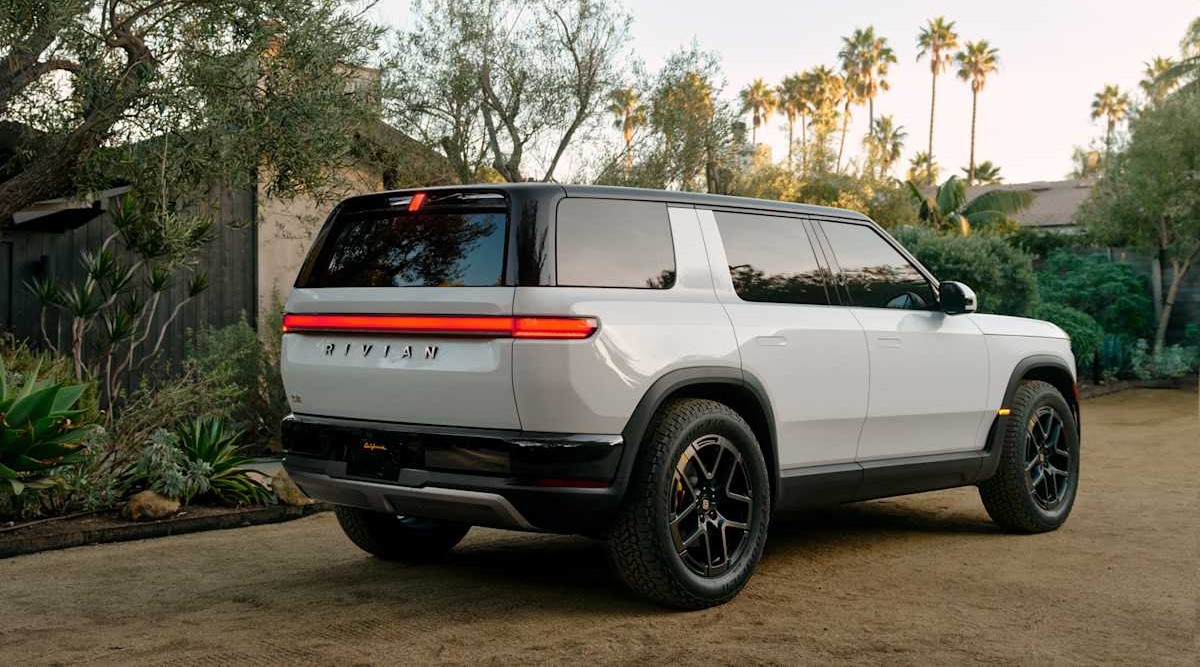
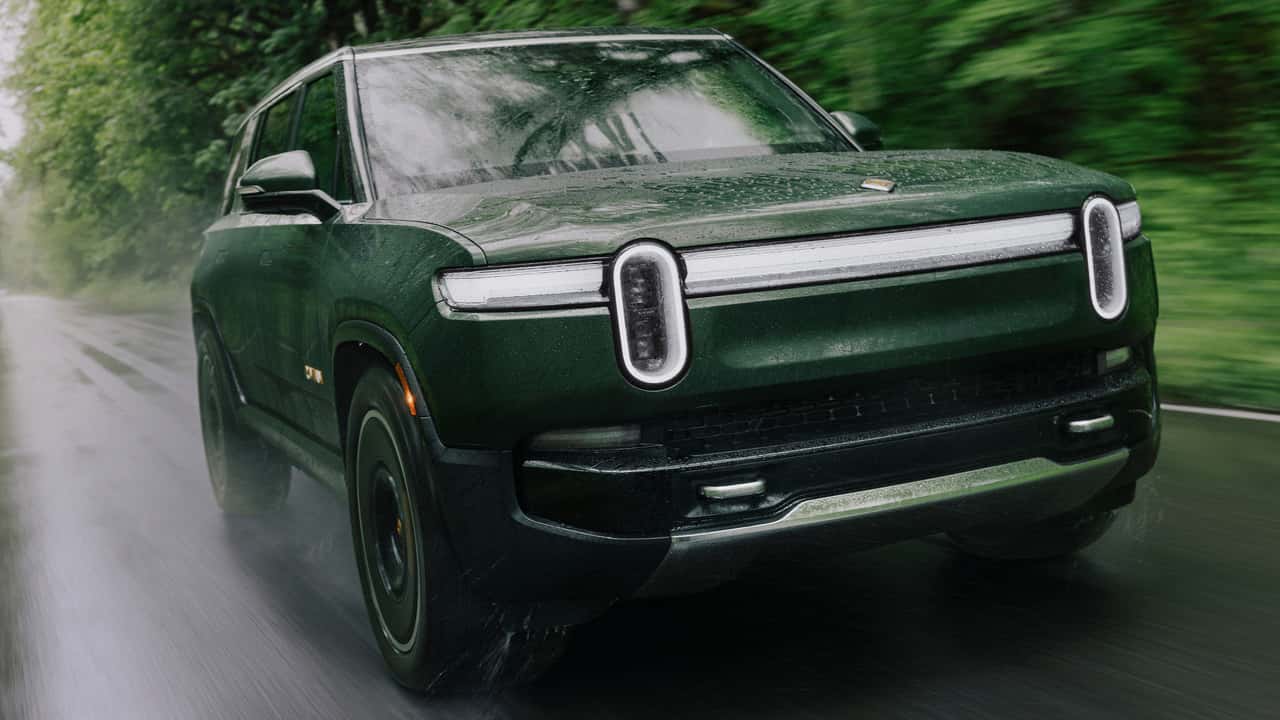
Rivian's electric pickup truck, the R1T, has been particularly successful, drawing attention from environmentally conscious consumers. Additionally, the company's SUV model, the R1S, is gaining traction with families seeking a sustainable transportation option. The increased sales of these models have contributed to Rivian's impressive growth in the EV market.
The decline in Ford's EV sales serves as a wake-up call for the automotive industry, emphasizing the need for manufacturers to prioritize sustainability and innovation. As consumers become increasingly environmentally aware, automakers must adapt to meet this growing demand. The competition in the EV sector is intensifying, with Rivian emerging as a key player.
Rivian's rapid growth has also sparked interest from investors, who are eager to capitalize on the company's potential for success. The increased sales figures have bolstered Rivian's stock price, demonstrating the market's confidence in the company's ability to thrive in the EV industry.
While Ford's decline is a setback for the automaker, it presents an opportunity for Rivian to solidify its position as a leader in the EV market. As the demand for eco-friendly vehicles continues to rise, manufacturers must be prepared to innovate and adapt to meet this growing need.
The shift in market share highlights the importance of timely product launches and effective marketing strategies in the automotive industry. Rivian's success can serve as a model for other companies looking to capitalize on the EV trend.
As the EV sector continues to evolve, it is essential for manufacturers to prioritize research and development, investing in technologies that will drive growth and innovation. The competition between Rivian and other players in the market will only intensify in the coming months.
The growth of Rivian's sales has significant implications for the automotive industry as a whole, underscoring the need for companies to adopt sustainable practices and invest in eco-friendly technologies. As consumers become increasingly environmentally conscious, manufacturers must be prepared to respond to this shift in demand.
The sudden shift in market share highlights the growing competition in the EV sector.