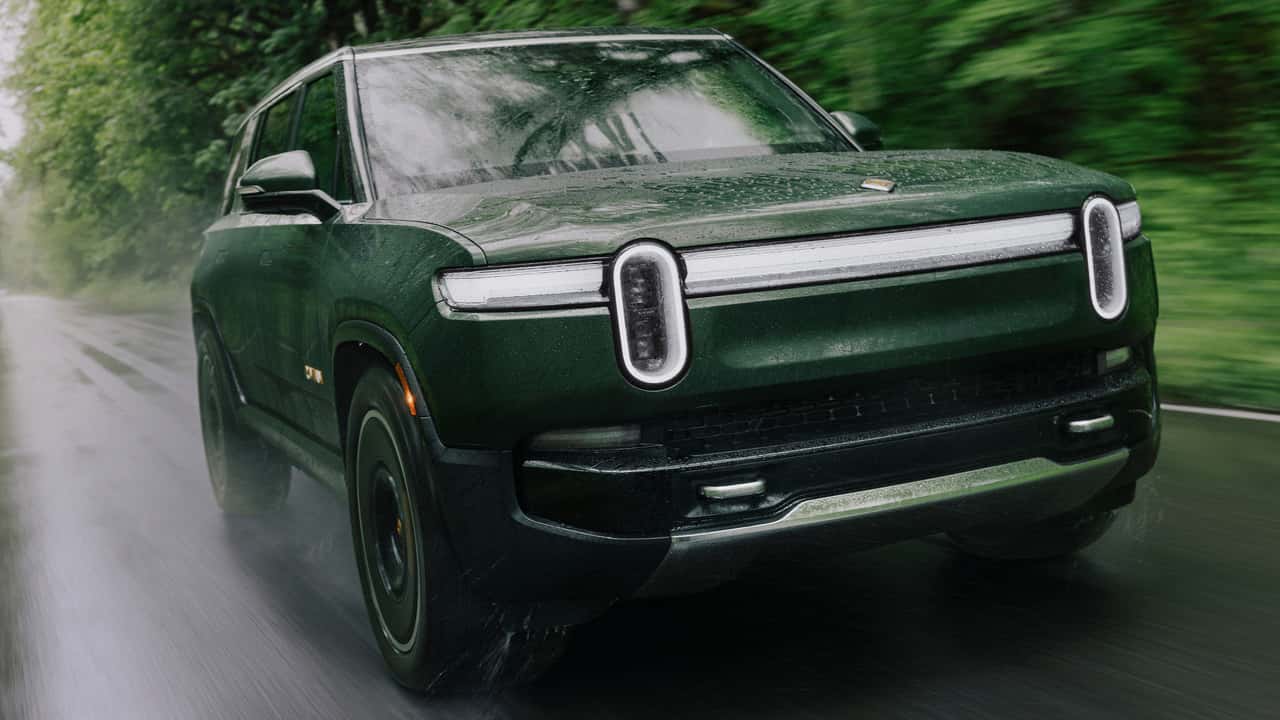

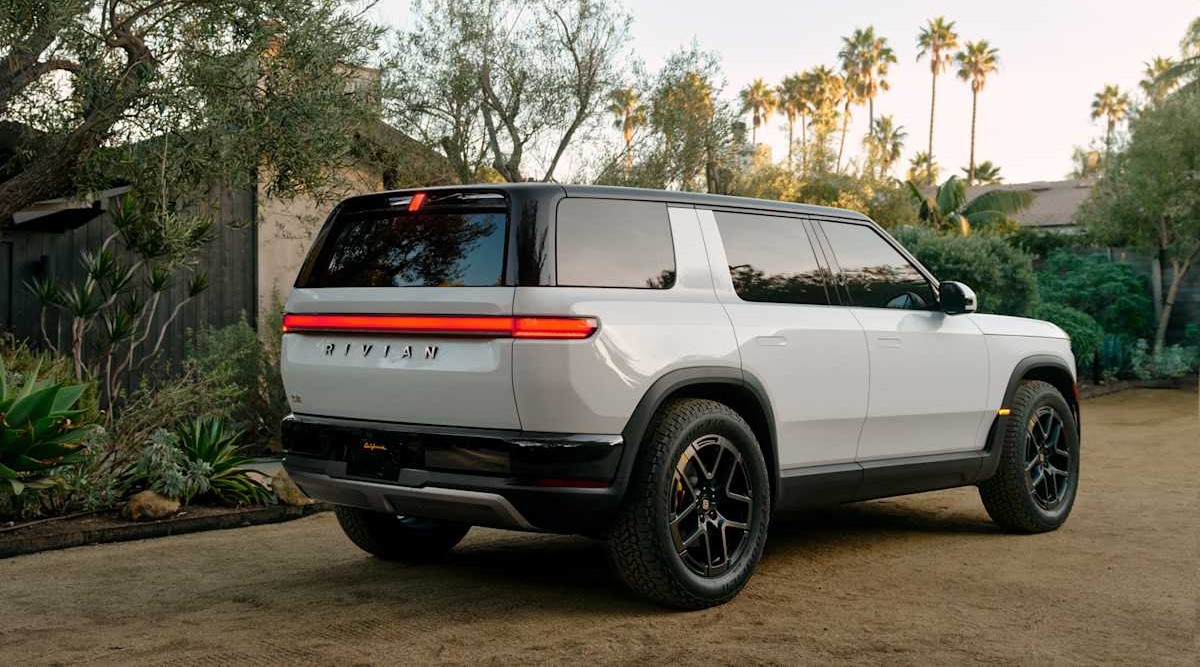
Rivian has made a significant impact in the automotive industry by delivering 10,365 vehicles to customers in the first quarter of 2026. This number is approximately 700 units above Wall Street estimates, which stood at 9,678 according to Visible Alpha. The company's performance in this area indicates its growing popularity and market presence.
However, when considering the overall sales figures for other major players like Tesla, Rivian's numbers appear relatively niche. In a down month for Tesla, one of its minor models that is now being discontinued, the Model X reached nearly 10,000 sales on its own. This highlights the competition and market saturation in the luxury electric vehicle segment.
Rivian's vehicles are classified as large luxury models, which puts them in comparison to other high-end models like Tesla's Model S. When the Rivian R2 is released, it is expected to gain more traction with sales comparable to those of Tesla's Model Y. This will provide a clearer picture of Rivian's market potential.
The company's production and delivery numbers have been closely monitored by investors and analysts alike. In this quarter, Rivian produced 10,236 vehicles, which is in line with the company's outlook. The reaffirmation of its 2026 delivery range guidance of 62,000 to 67,000 vehicles suggests a commitment to meeting production targets.
Despite the impressive sales figures, it is essential to consider the context and market trends. Rivian's niche market position may limit its growth potential in the short term. However, with continued innovation and marketing efforts, the company can work towards expanding its customer base.
The upcoming quarter will be crucial for Rivian as it seeks to double or triple its quarterly sales. This would not only boost investor confidence but also demonstrate the company's ability to adapt to changing market conditions. A successful Q2 performance could set the stage for long-term growth and success.
Rivian's delivery numbers have been steadily increasing, and this trend is expected to continue as the company expands its product lineup and marketing efforts. The release of new models like the Rivian R2 will play a significant role in driving sales and revenue growth.
As the automotive industry continues to evolve, Rivian must navigate the challenges and opportunities presented by emerging technologies and changing consumer preferences. By staying agile and responsive to market demands, the company can maintain its position as a leader in the luxury electric vehicle segment.
Ultimately, Rivian's success will depend on its ability to balance production targets with sales growth and customer demand. With careful planning and execution, the company can overcome the challenges posed by its niche market position and achieve long-term sustainability.