
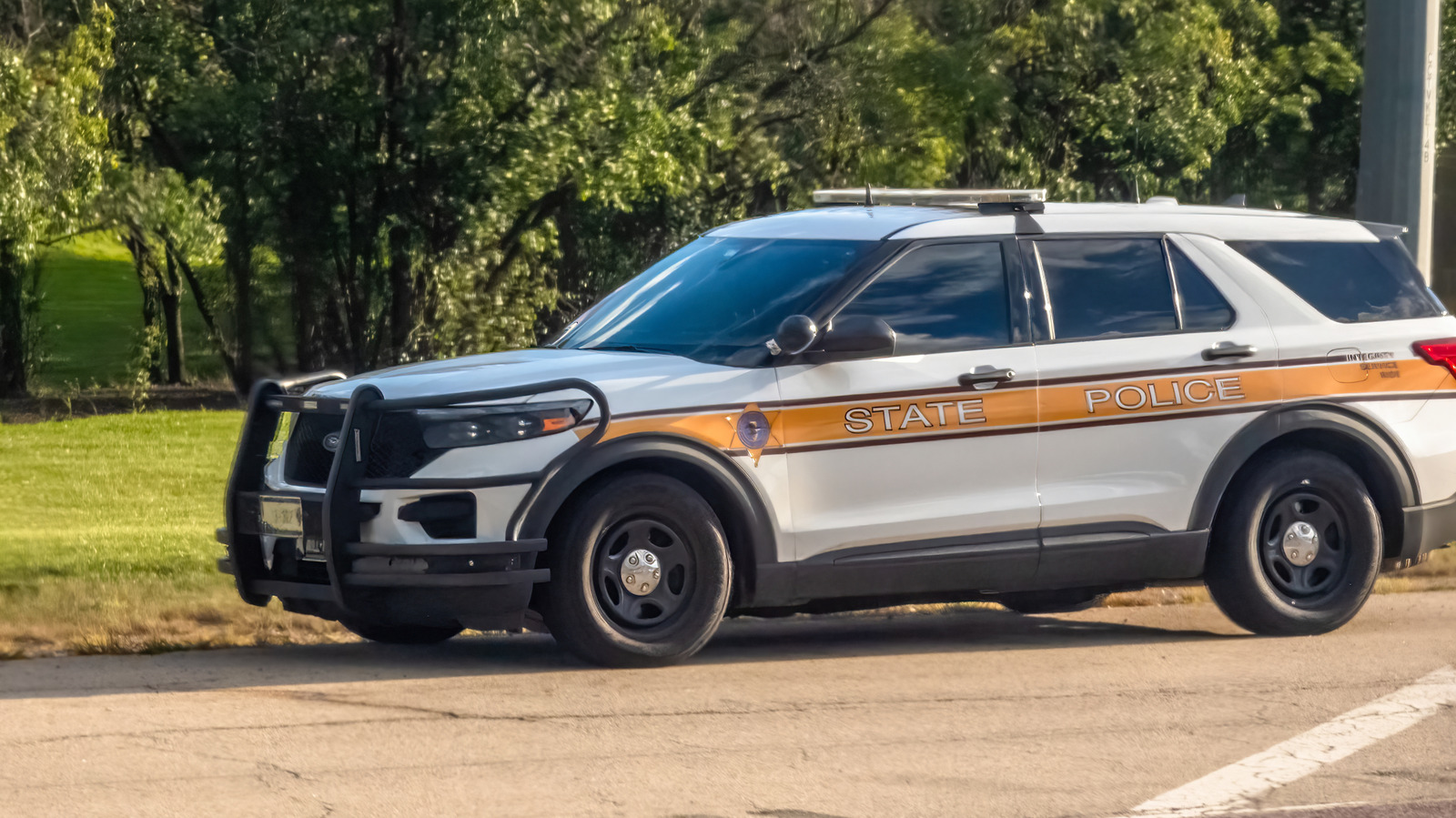
The financial burden of replacing vehicles is a pressing issue for many law enforcement agencies, with Illinois State Police being no exception. Currently, over 1,000 cruisers are overdue for replacement, but the department's limited budget is hindering their ability to do so. The cost of new vehicles is a significant factor in this decision, with prices ranging from $100,000 to over $120,000 for fully outfitted police cars.
The Illinois Department of Central Management Services recommends that vehicles in the ISP fleet be replaced every eight years or 150,000 miles, but it's taking much longer due to funding constraints. This has resulted in a significant backlog of vehicles needing replacement, with the state police director estimating that it will take around 18 years to replace the entire fleet.
The main problem facing the Illinois State Police is that their Vehicle Fund has not been adequately funded to keep up with rising costs. Despite annual appropriations of $30 million since 2024, the actual amount available has been significantly lower, resulting in a fraction of this amount being used to purchase new vehicles. This funding mechanism comes from a combination of sources, including a $1 fee on all license plates and the sale of retired police cars.
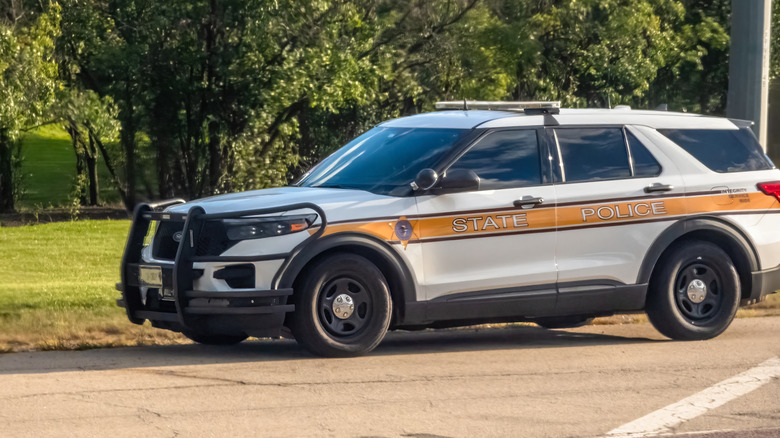
The current funding model is not sufficient to cover the costs of replacing the entire fleet, with only $7 million available last year, which can only buy 58 cruisers at $120,000 each. This also doesn't account for replacing perfectly good cars that are destroyed in the line of duty, further exacerbating the problem.
In contrast, Kansas has implemented a strict 50,000-mile limit on its Highway Patrol fleet since the 1990s, which has helped to reduce costs and extend the life of vehicles. This policy is still working today, with many vehicles being resold to other police departments or sold privately after their initial retirement.
The benefits of this approach are clear, with a Kansas state trooper able to rack up 50,000 miles in just 12-18 months, allowing them to sell their vehicle for a significant amount of money. This not only saves the department money but also reduces the hassle of removing emergency equipment from vehicles sold to civilian buyers.
Another advantage of this policy is the reduced maintenance and repair costs, as many issues are covered by warranty during the first 50,000 miles. This results in significant savings on big-ticket items like transmission replacements, which are common problems for police cars later in their lifespan.
Overall, the success of Kansas's approach highlights the need for law enforcement agencies to rethink their vehicle replacement policies and explore more cost-effective alternatives.
As the cost of vehicles continues to rise, it is essential that police departments find ways to reduce costs without compromising public safety. This may involve exploring alternative funding models or implementing more efficient vehicle management strategies.
The rising cost of vehicles is a significant challenge for police departments across the US.