

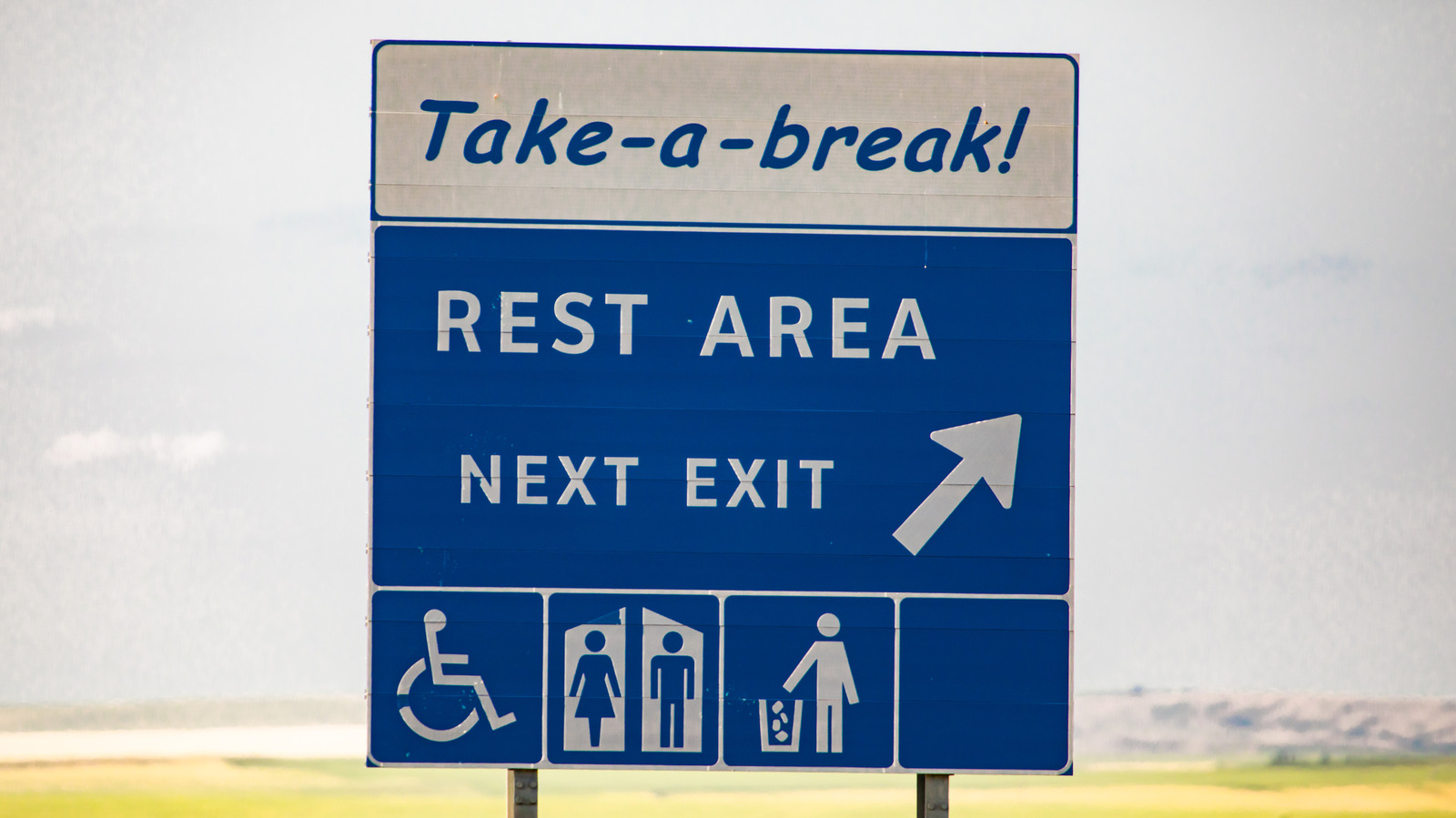
The need for drivers to stop and rest on extended road trips is a pressing concern, with data from the National Highway Traffic Safety Administration suggesting that sleepiness behind the wheel accounted for 91,000 crashes and around 800 deaths in 2017. This highlights the importance of getting a good night's sleep and avoiding driving during peak sleepiness periods, typically between midnight and 6 a.m. The presence of rest areas along highways provides a much-needed respite from the monotony of long drives.
Rest areas can be broadly categorized into two types: state-run safety roadside rest areas and commercial service plazas. The former typically feature basic amenities such as parking spaces, picnic tables, vending machines, and restrooms, while the latter offer more extensive facilities like gas stations, recreational centers, shopping plazas, and popular restaurants.
Despite their widespread availability, there is no definitive answer to whether it is legal to sleep overnight at rest areas. This ambiguity arises from varying state laws and regulations, which can be complex and nuanced. In general, most U.S. states permit overnight parking and sleeping inside a vehicle, but some places have restrictions or limits on how long you can stay.
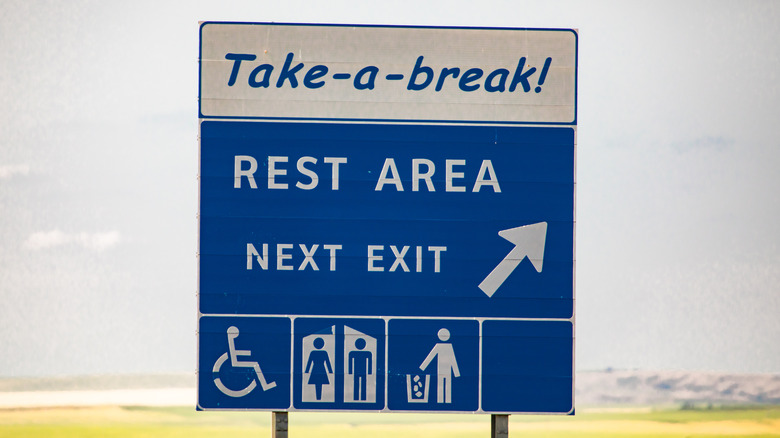
The U.S. states that do not allow overnight parking at rest areas include Colorado, Florida, Illinois, Kentucky, Maine, Maryland, Minnesota, North Carolina, South Dakota, Tennessee, Vermont, and Virginia. These states may have specific rules or regulations governing the length of time motorists are allowed to stay at rest stops.
Pennsylvania offers conditional rules for its rest areas, allowing up to two hours of parking but not explicitly stating whether overnight parking is permitted. In contrast, some states impose stricter limits on overnight stays, such as Illinois's three-hour limit and Florida's 10-hour limit for commercial trucks.
The key to navigating rest area regulations lies in understanding the varying state laws and following posted signs. Motorists should check the DOT website of the state they are visiting or driving through to determine specific rules and restrictions.

It is worth noting that some states, such as Arizona, Alaska, Arkansas, Connecticut, Georgia, Indiana, Michigan, Louisiana, Massachusetts, Missouri, Ohio, Utah, West Virginia, and Wyoming, impose no official time limits on overnight stays at rest areas. These states provide a welcome respite for drivers who need to take extended breaks.
In conclusion, the rules governing rest area use vary significantly by state, with some places allowing overnight parking while others restrict or limit the length of stay. By familiarizing themselves with local regulations and following posted signs, motorists can ensure they are using rest areas safely and responsibly.
Ultimately, the need for drivers to take regular breaks and avoid driving when tired is a critical safety concern. By understanding the rules governing rest area use, motorists can help prevent accidents and promote road safety.