
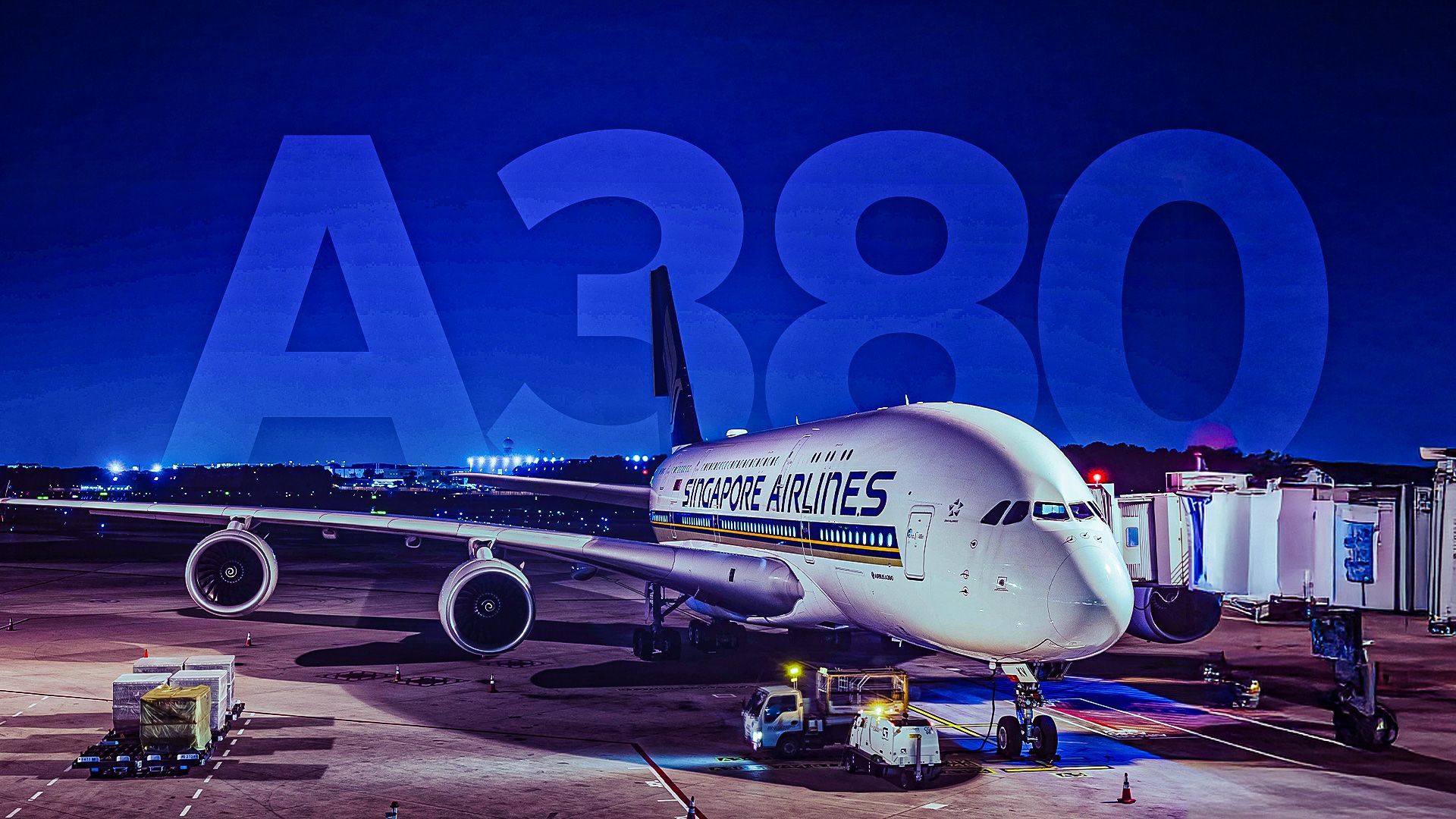
Singapore Airlines, a Star Alliance member, has announced that it will no longer operate Airbus A380 flights on its long-haul route to Dubai. The decision comes as a result of the ongoing war in Iran, which has significantly reduced demand for flights to and from the Gulf region.
The carrier had initially planned to deploy the 471-seat A380 to Dubai, with flights beginning on March 29. However, due to the conflict, all planned superjumbo flights were suspended, including this route. Despite the uncertainty surrounding the war's impact, Singapore Airlines remains committed to operating its A380 fleet on other routes.
The removal of A380 flights from Dubai is a significant blow to the carrier's long-haul operations. The aircraft was expected to provide capacity at a time when demand for flights to and from the Gulf has decreased significantly. Most passengers traveling to and from Dubai are locals, reducing the need for the A380's considerable capacity.
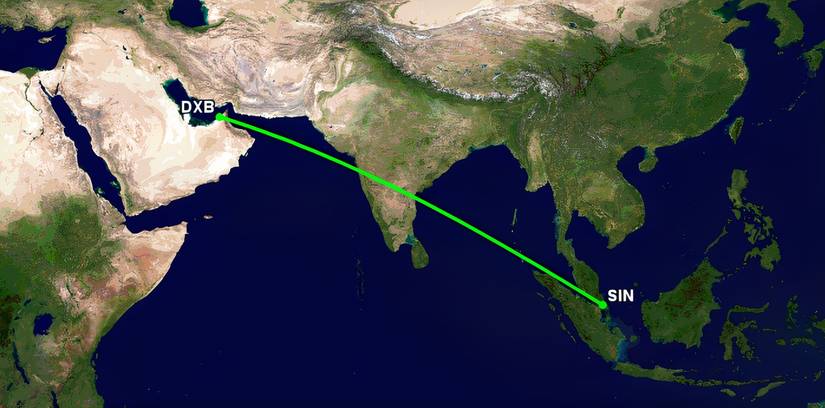
Instead of deploying the A380, Singapore Airlines will use its 264-seat Boeing 777-300ER on the route, starting June 2. The carrier had initially planned to return to Dubai on May 2 but has now pushed back its schedule due to the ongoing conflict.
The latest information shows that Singapore Airlines has scheduled the A380 to Dubai from October 25, although this is likely a placeholder schedule and subject to change. The complete removal of the A380 from the route seems imminent.
The reduction in A380 flights on Singapore Airlines' long-haul routes is intriguing. After returning to Melbourne on March 29, the aircraft resumed its operations. However, the suspension of flights from Dubai suggests that another route may be affected.
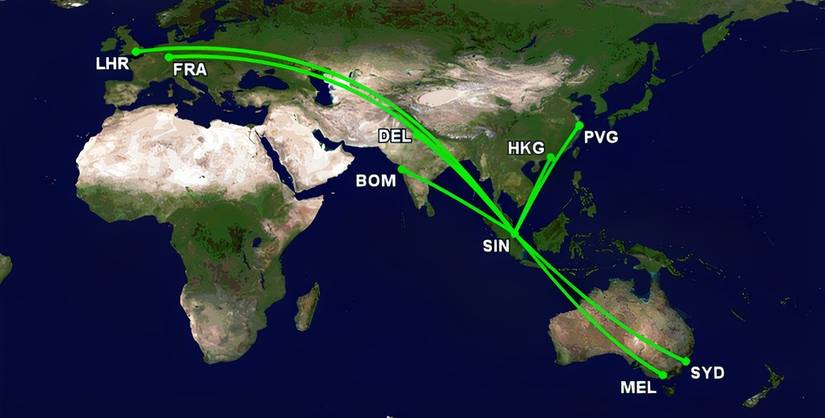
According to Cirium Diio data, the carrier now plans eight A380 routes from Changi. The removal of the type from Dubai has resulted in a 10% reduction in superjumbo departures. This decrease highlights the impact of geopolitical tensions on air travel demand.
The suspension of A380 flights from Dubai is not an isolated incident. Other carriers, such as Qatar Airways and Emirates, have also been affected by the conflict. Virgin Atlantic has ended flights to Riyadh after less than a year, while Qatar Airways has suspended passenger flights to 64 destinations.
As the situation in the Gulf continues to unfold, it remains to be seen how Singapore Airlines will adjust its operations. The carrier's decision to remove A380 flights from Dubai serves as a reminder of the significant impact that geopolitical tensions can have on air travel demand and airline operations.
The suspension of A380 flights from Dubai highlights the impact of geopolitical tensions on air travel demand.