
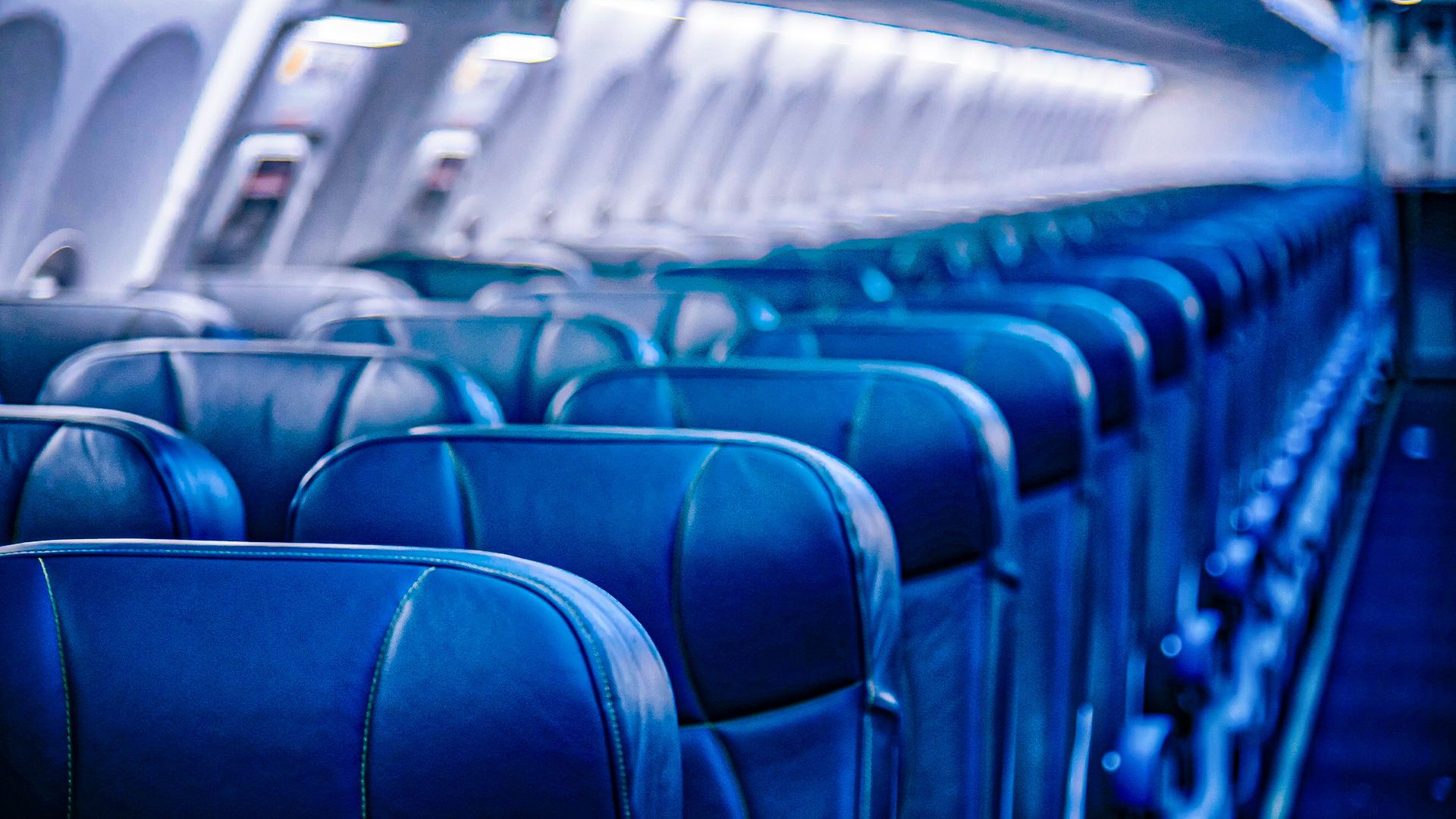
Airline seat density has dramatically increased over the past 40 years, with standard economy seat pitch shrinking from roughly 35 inches in the 1970s to about 31 inches today. This drastic reduction in space has led to the installation of additional rows of seats on most aircraft, significantly boosting airline profitability at the cost of personal space. The industry's focus on maximizing revenue has resulted in a decrease in legroom, with many airlines now offering seating arrangements with just 28 inches of pitch. This trend is particularly evident in budget carriers such as Ryanair and Spirit Airlines.
The issue of seat density in commercial aviation has grown increasingly visible in recent years, with viral videos and news coverage highlighting the cramped economy cabins that have become commonplace. As a result, passengers are being forced to weigh the pros and cons of sacrificing personal space for lower ticket prices. While some may argue that the increased accessibility of air travel is a positive development, others see it as a recipe for discomfort and fatigue during long-haul flights.
Before airline deregulation in 1978, flying was a premium experience marketed towards business travelers or wealthy leisure passengers. Cabins featured generous spacing, including wider seats and more legroom, as well as lower overall passenger capacities. The exclusive nature of these flights was due to factors such as smaller aircraft and higher demand from business travelers. However, the introduction of deregulation marked a significant shift in the industry's priorities.
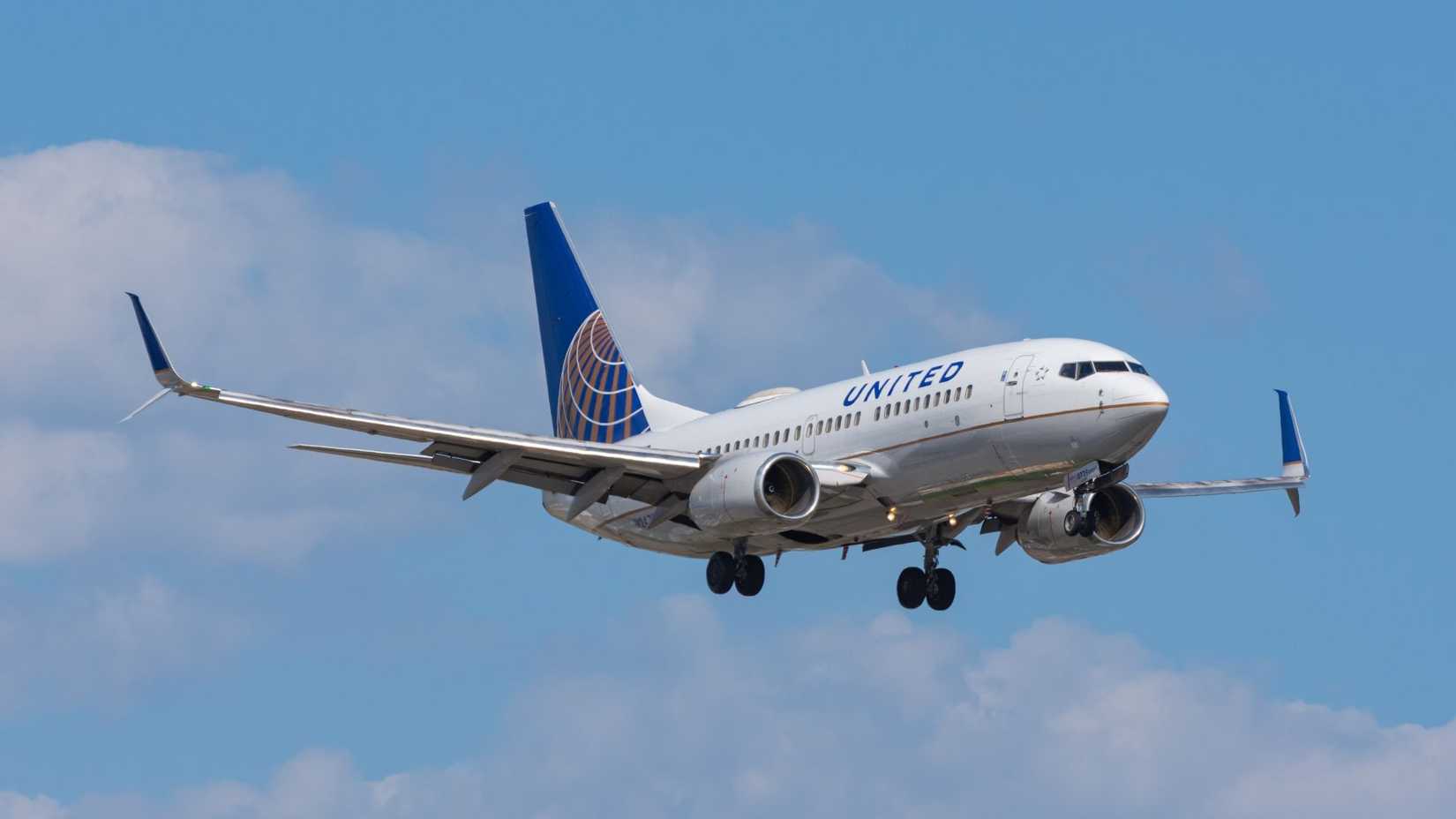
Following deregulation, competition intensified significantly as airlines sought to increase their market share by lowering fares. One of the most effective ways for airlines to reduce costs was to increase seat capacity on existing aircraft, resulting in higher seat density. This approach allowed airlines to generate more revenue per passenger while minimizing the need for significant investments in new aircraft or infrastructure.
The impact of increased seat density can be seen in the way airlines have responded to changing consumer demands. While some carriers have opted for more spacious seating arrangements, others have prioritized maximizing revenue over passenger comfort. This has led to a proliferation of budget-friendly options with reduced legroom and amenities.
In 1985, all three major US airlines - American Airlines, Delta Air Lines, and United Airlines - had already shrunk standard seat pitch to around 33 inches. Since then, the trend towards smaller seats has continued unabated, with many carriers now offering products well below this benchmark. The decline in seat size has occurred alongside falling airfares, making flying more accessible to the public.
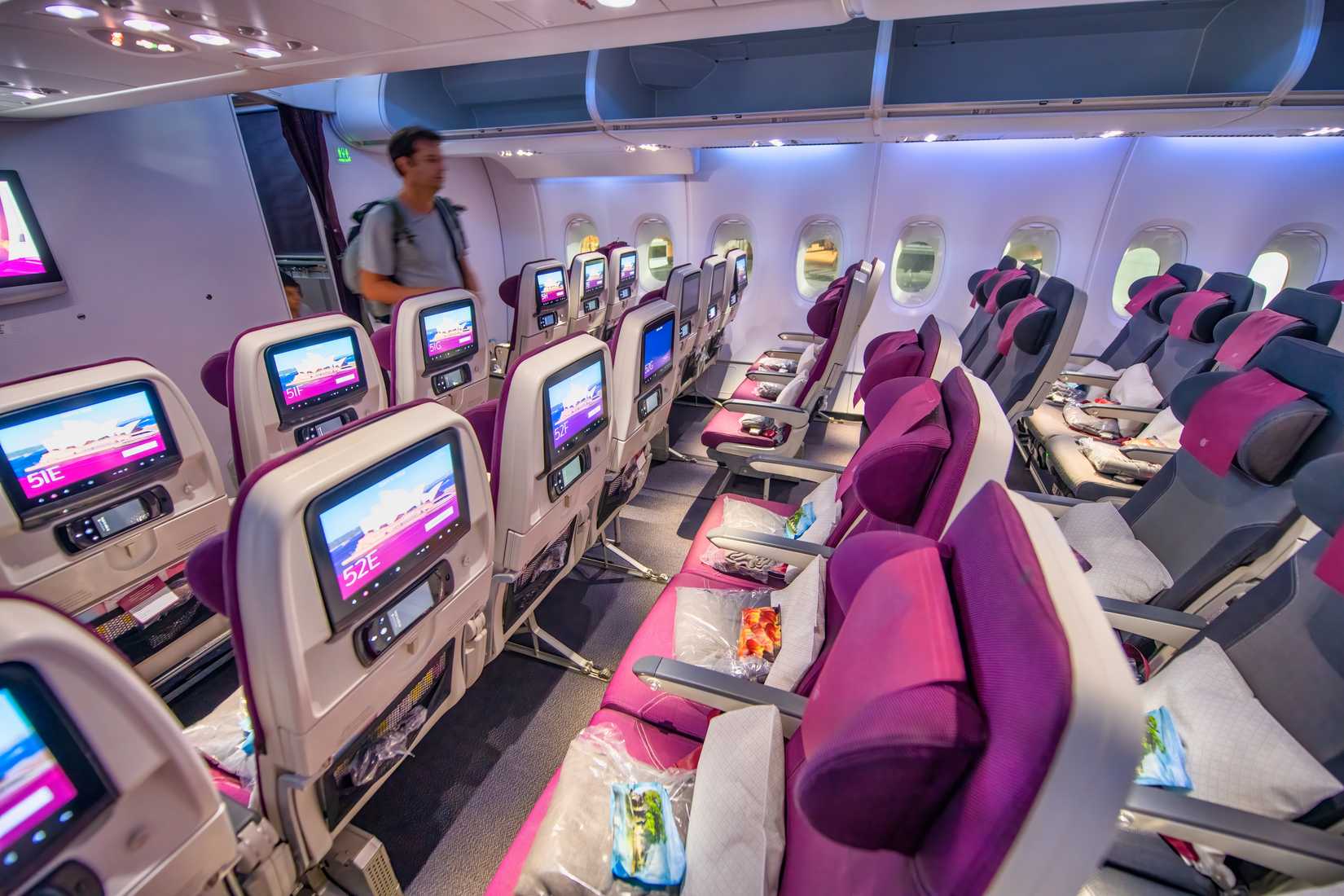
As airlines operate in a high-cost industry where aircraft ownership, fuel, maintenance, and labor expenses remain largely fixed regardless of passenger count, increasing seat density helps make flights more profitable for airlines. By adding more seats to existing aircraft, carriers can increase revenue without having to invest heavily in new planes or infrastructure.
The consequences of this trend will be felt by travelers worldwide as the airline industry continues to prioritize profit over passenger comfort. As passengers become increasingly aware of the trade-offs involved in cheaper air travel, it remains to be seen whether airlines will adapt their business models to better balance revenue generation with passenger satisfaction.
As the airline industry continues to prioritize profit over passenger comfort, the consequences of this trend will be felt by travelers worldwide.