
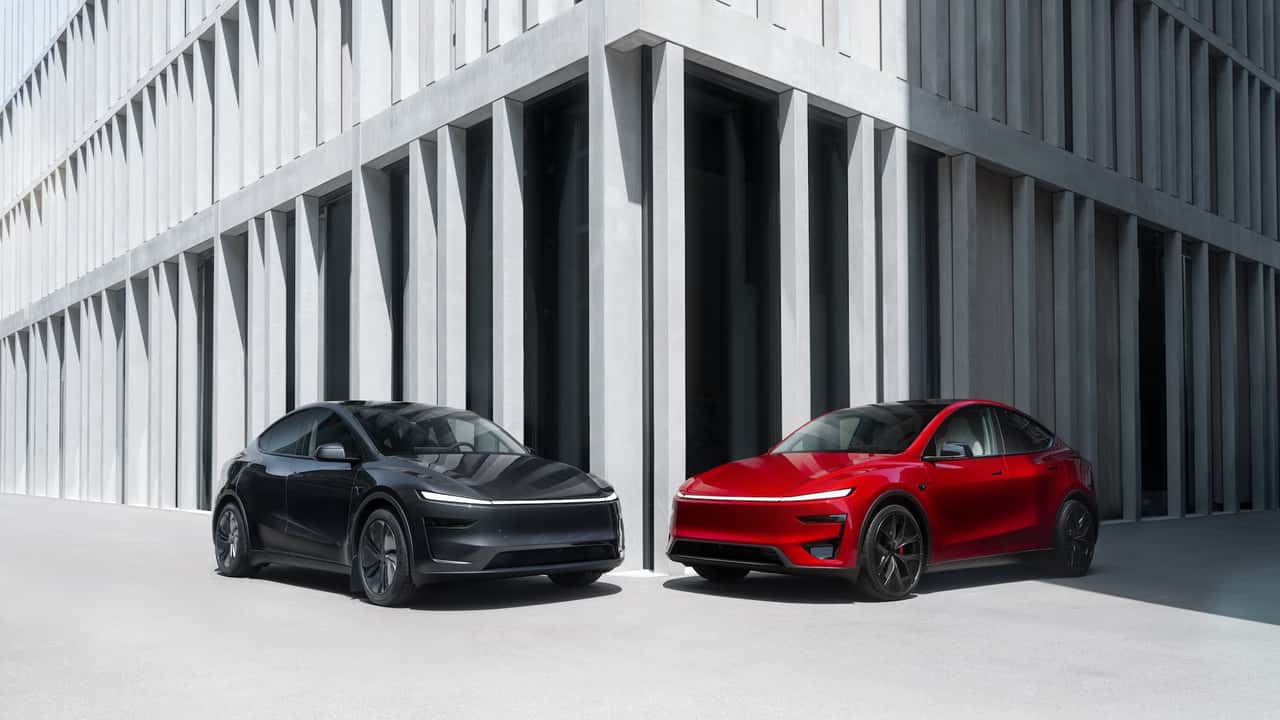
Tesla's sales rebounded in the first quarter, with the company reporting a significant increase in revenue compared to the same period last year. However, despite this positive trend, a new problem is making its presence felt - a record backlog of unsold electric vehicles. According to recent reports, Tesla has accumulated a staggering 50,000 unsold EVs, which is a stark reminder of the challenges faced by the company in meeting demand for its popular models.
The buildup of unsold inventory raises concerns about Tesla's ability to keep pace with growing sales and production capacity. As the electric vehicle market continues to expand, companies like Tesla must navigate production and supply chain challenges to meet growing demand. This is a critical issue that will need to be addressed by Tesla in order to maintain its position as a leader in the EV market.
Tesla's decision to focus on high-margin models such as the Model S and Model X may have contributed to the buildup of unsold inventory. The company has been prioritizing production of these models, which are more profitable than its lower-end options like the Model 3. However, this strategy may also be limiting Tesla's ability to meet demand for its more affordable EVs.
The record backlog of unsold EVs is a significant concern for Tesla, as it could impact the company's ability to maintain its market share and reputation. With so many electric vehicles on order, Tesla will need to carefully manage its production capacity in order to avoid delays and maintain customer satisfaction.
Tesla has been working to increase its production capacity in recent months, with the company announcing plans to expand its manufacturing facilities at several of its locations around the world. However, it remains to be seen whether this expansion will be enough to meet the growing demand for Tesla's EVs.
The buildup of unsold inventory is also a reminder of the challenges faced by Tesla in terms of supply chain management. The company has been struggling to secure sufficient quantities of critical components such as batteries and semiconductors, which are essential for the production of its electric vehicles.
As the electric vehicle market continues to grow, companies like Tesla must be prepared to adapt to changing demand and supply chain conditions. This may involve investing in new manufacturing technologies or partnering with suppliers to secure critical components.
The record backlog of unsold EVs is a significant challenge for Tesla, but it also presents an opportunity for the company to refine its production processes and improve its ability to meet demand. By addressing this issue, Tesla can maintain its position as a leader in the EV market and continue to drive growth and innovation in the industry.
In order to address the buildup of unsold inventory, Tesla will need to carefully manage its production capacity and prioritize orders based on factors such as customer demand and production constraints. This may involve implementing new production scheduling systems or investing in additional manufacturing capacity.
Ultimately, the success of Tesla's electric vehicle lineup will depend on the company's ability to balance production and supply chain challenges with growing demand for its EVs. By addressing the record backlog of unsold EVs and refining its production processes, Tesla can maintain its position as a leader in the EV market and drive growth and innovation in the industry.
As the electric vehicle market continues to expand, companies like Tesla must navigate production and supply chain challenges to meet growing demand.