


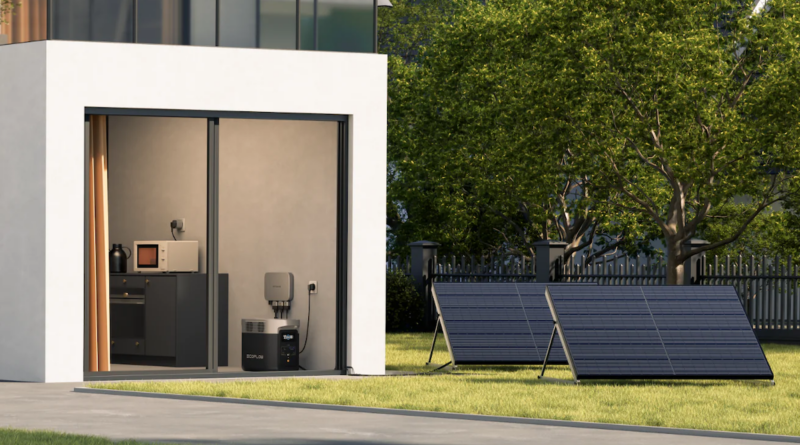
The rise of balcony solar panels is a response to the growing need for affordable and accessible solar power solutions. With the increasing cost of electricity and the benefits of solar energy, homeowners are looking for ways to harness this clean energy source. The introduction of plug-in solar panels has made it possible for households without rooftop space or inclination to tap into the power of the sun.
The technology behind balcony solar panels is straightforward: they plug into a simple household outlet and feed electricity into household wiring, reducing the amount of electricity sucked from the grid. This innovative solution has gained popularity in countries like Ukraine and Germany, where it has helped reduce energy consumption and promote sustainable living.
One of the key advantages of balcony solar panels is their flexibility - they can be hung or propped up anywhere around a property where a household outlet is available. This means that homeowners can take advantage of this technology even if they don't have a traditional balcony. The term 'balcony' in this context refers to any opportunity for installing these panels, not just those with outdoor spaces.
Despite its potential, the adoption of balcony solar panels has been slow in the US due to various obstacles. Utilities often treat these panels as full-blown rooftop installations, requiring costly connection agreements and fees. Landlords and homeowner associations have also restricted their use or prohibited them altogether, citing safety concerns and age-related issues with the US housing stock.
However, experts argue that the benefits of balcony solar panels far outweigh the drawbacks. A 2017 study by researchers at Michigan Technological University estimated that the US demand for 'plug-and-play PV' could reach 57 gigawatts, potentially saving households $13 billion per year while creating a new industry market worth $14.3 billion to $71.7 billion.
The cost of solar panels has decreased significantly since 2017, making it more affordable for homeowners to invest in this technology. As electricity rates have risen, the need for alternative energy sources like balcony solar panels has become increasingly pressing. Legislators in at least two dozen states are now considering bills to simplify the process of installing these panels.
Utah was one of the first states to take action, passing legislation in March 2025 that allows homeowners to install balcony solar panels. Virginia and Maine have since followed suit, with Maine's state legislature approving a bill that prioritizes safety for consumers and line workers.
The new legislation in Maine emphasizes the importance of hiring a licensed electrician to install these systems, which is a step in the right direction towards ensuring public safety. While this may not be a full plug-and-play solution, it represents an important milestone in the adoption of balcony solar panels nationwide.
As the US continues to transition towards a more sustainable energy future, balcony solar panels are likely to play a significant role. With their potential to save households money and promote renewable energy, these innovative devices are poised to become a common sight on homes across the country.
As the demand for renewable energy continues to grow, balcony solar panels are poised to play a significant role in reducing household electricity bills and promoting sustainable living.


