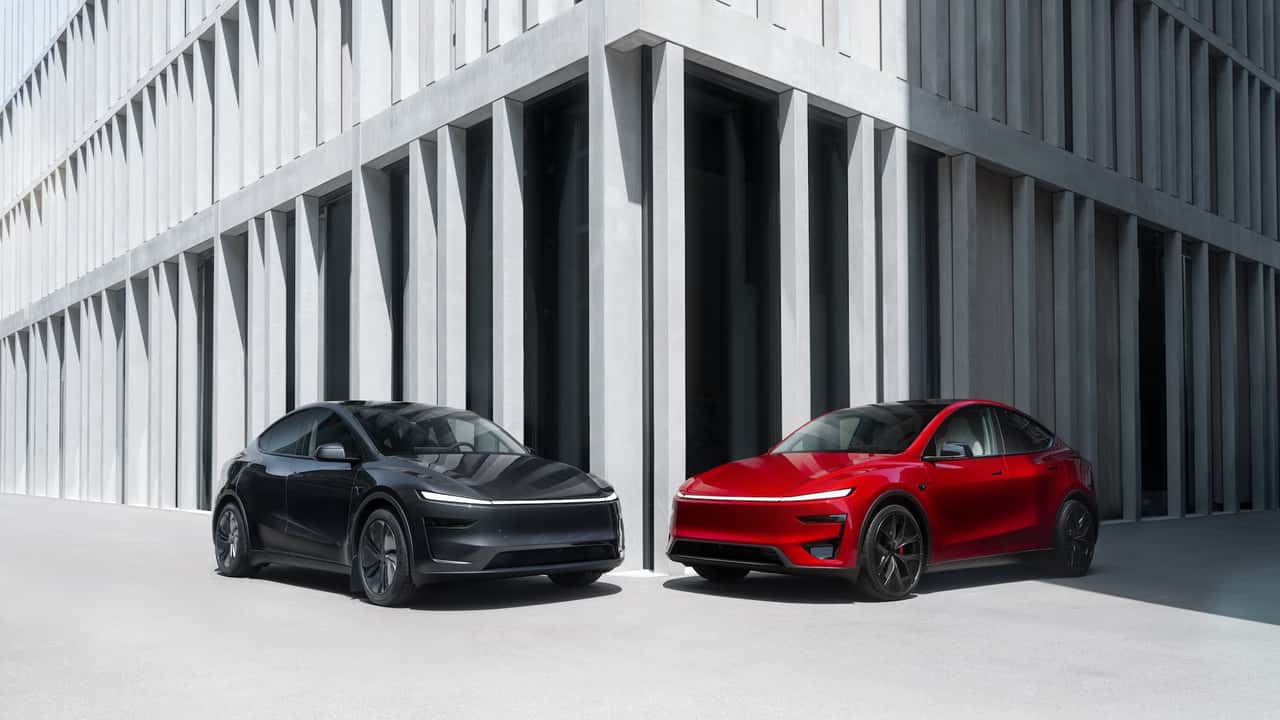



Tesla's Q1 2026 delivery numbers have been released, revealing a significant drop in vehicle sales compared to the same period in 2024. The company delivered 358,023 vehicles, a decline of 7.5% from the previous year. This marks a stark contrast to the 386,810 cars sold in Q1 2024.
The debate surrounding Elon Musk's political activities and their impact on Tesla's sales is ongoing. Some analysts attribute the slump solely to Musk's actions, while others argue that other factors such as interest rates and tax credits are more significant contributors.
While some fans of Elon Musk may dismiss the idea that politics played a role in the sales drop, it's clear that Musk's involvement in high-profile controversies has alienated a portion of Tesla's core customer base. This effect can be measured by examining county-by-county sales data and comparing it to voter registrations and other demographic information.
A recent working paper from Yale economists suggests that Musk's partisan activities cost Tesla 1.25 million vehicle sales between October 2022 and April 2025. However, this figure is likely inflated due to unrealistic assumptions about Tesla's growth curve and the impact of high interest rates.
The study's findings are based on a flawed assumption that Tesla would continue to experience exponential growth indefinitely. In reality, the company's hardware has been largely unchanged for several years, and demand naturally plateaus over time. This means that approximately 750,000 of the 'lost' cars should be subtracted from the equation.
Furthermore, the study underestimates the damage caused by high interest rates during this period. Auto loans became significantly more expensive, making it more difficult for customers to purchase Tesla vehicles.
In order to get a more accurate picture of Tesla's sales slump, it's essential to consider multiple factors and not rely solely on simplistic assumptions. By doing so, we can gain a deeper understanding of the complex issues at play and make more informed decisions about the company's future.
The impact of Musk's politics on Tesla's sales is undeniable, but it's crucial to separate fact from fiction and consider the broader context. By examining the available data and adjusting for real-world factors, we can develop a more nuanced understanding of the company's performance.
Ultimately, the key to unlocking Tesla's full potential lies in understanding the interplay between technological advancements, market trends, and customer behavior. By acknowledging the complexities of the issue and taking a data-driven approach, we can work towards a brighter future for the company.
{
paragraphs
The study's findings highlight the importance of considering real-world factors in analyzing Tesla's sales slump.