The Second World War marked the beginning of a complex web of alliances and rivalries between the United States and Soviet Russia, setting the stage for decades of Cold War tensions. As the US sought to prevent the USSR from expanding its influence, it initiated the policy of Containment, which would guide US foreign policy for years to come.
In order to strengthen its position in the region, Iran's new ruler, Mohammed Reza Pahlavi, began building up the Iranian armed forces, including its air force. This was a response to the Soviet occupation of northern sections of Iran, particularly Iranian Azerbaijan, which had prompted the Shah to view a Soviet invasion as a very real possibility.
The US-Iranian partnership that emerged during this time led to a significant increase in Tehran's procurement of American arms, with purchases seven-fold higher than before. This marked an important shift in the region's balance of power and set the stage for a complex web of alliances and rivalries.
As the Cold War intensified, the US began to extend credit to Iran, which had nearly run dry, allowing it to purchase surplus military equipment. This move was part of a broader effort to modernize the Imperial Iranian Air Force (IIAF), which was seen as weak and in need of modern equipment.
The IIAF's lack of modern equipment was a pressing concern for Shah Pahlavi, who stated in his 1961 autobiography that his armed forces were 'weak' and needed the most modern equipment. The IIAF's limited capabilities made it clear that it required an aircraft that could provide air superiority and powerful radar coverage.
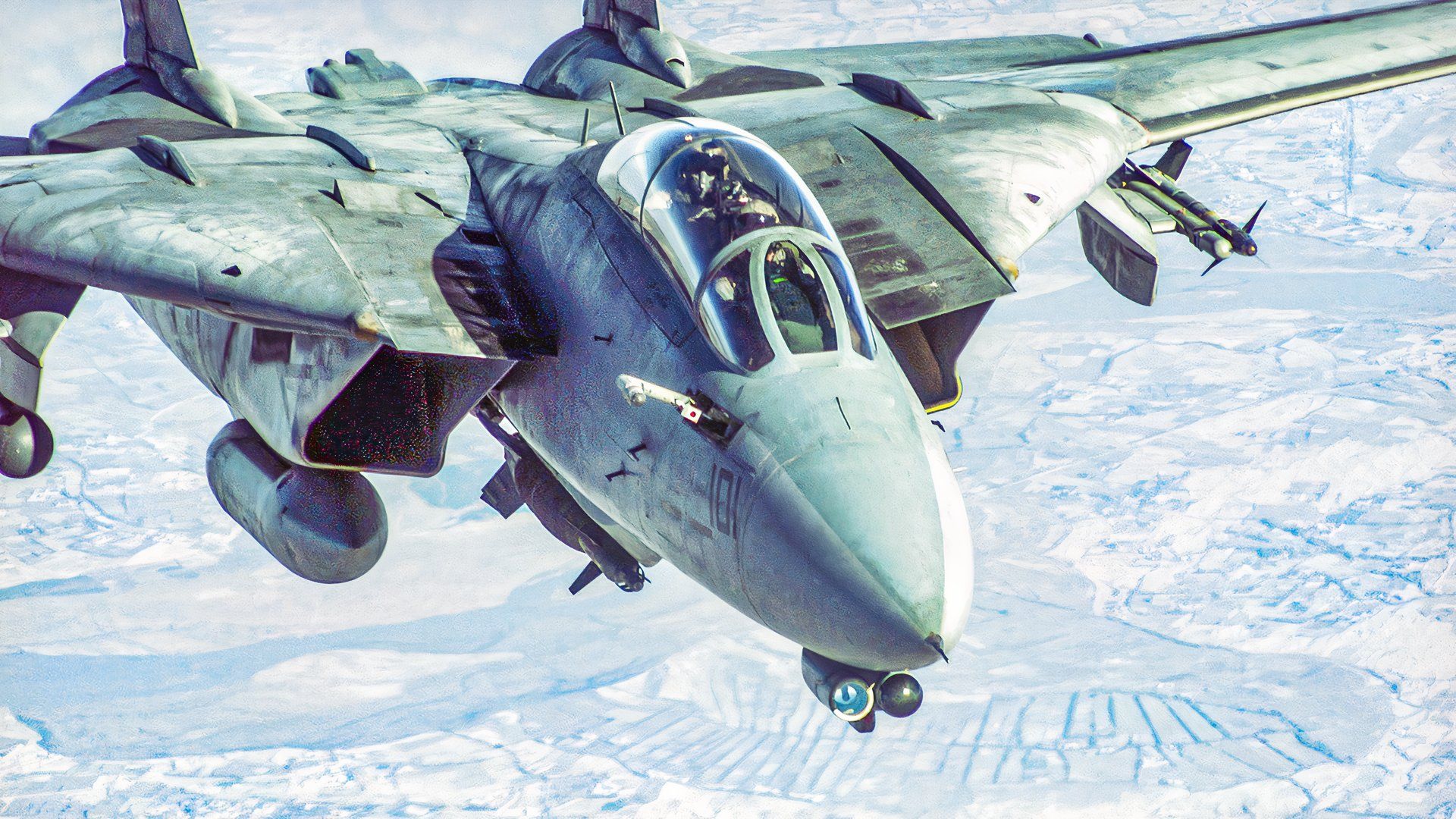
The F-14 Tomcat was seen as a solution to these problems, but its production was limited by Cold War strategy and cost considerations. Only 712 F-14s were ever built, reflecting the complexities of modernizing a military during this period.

The US government's decision to provide Iran with F-14s was part of a broader effort to contain Soviet influence in the region. The aircraft was seen as a versatile air superiority fighter that could address the IIAF's weaknesses and provide powerful radar coverage.
As the years passed, the F-14 fleet became an important symbol of Iranian military power, but its limited production run and the complexities of Cold War strategy made it a contentious issue. Today, the remnants of this fleet serve as a reminder of the complex web of alliances and rivalries that defined the Cold War era.
The legacy of Iran's F-14 fleet serves as a reminder of the enduring impact of Cold War strategy on modern military capabilities. As nations continue to navigate the complexities of global security, the lessons of history remain relevant, highlighting the importance of careful planning and consideration in military modernization efforts.