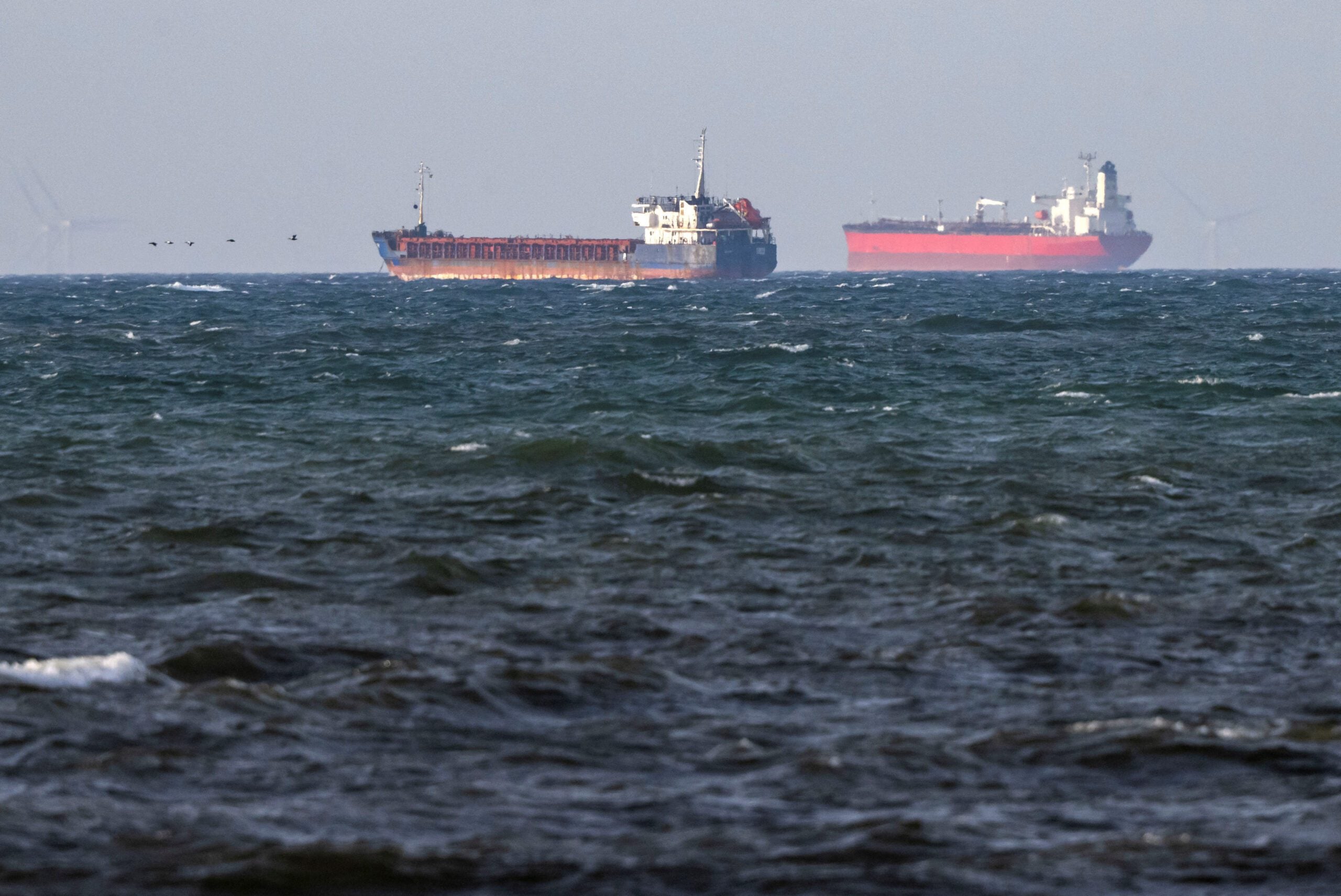


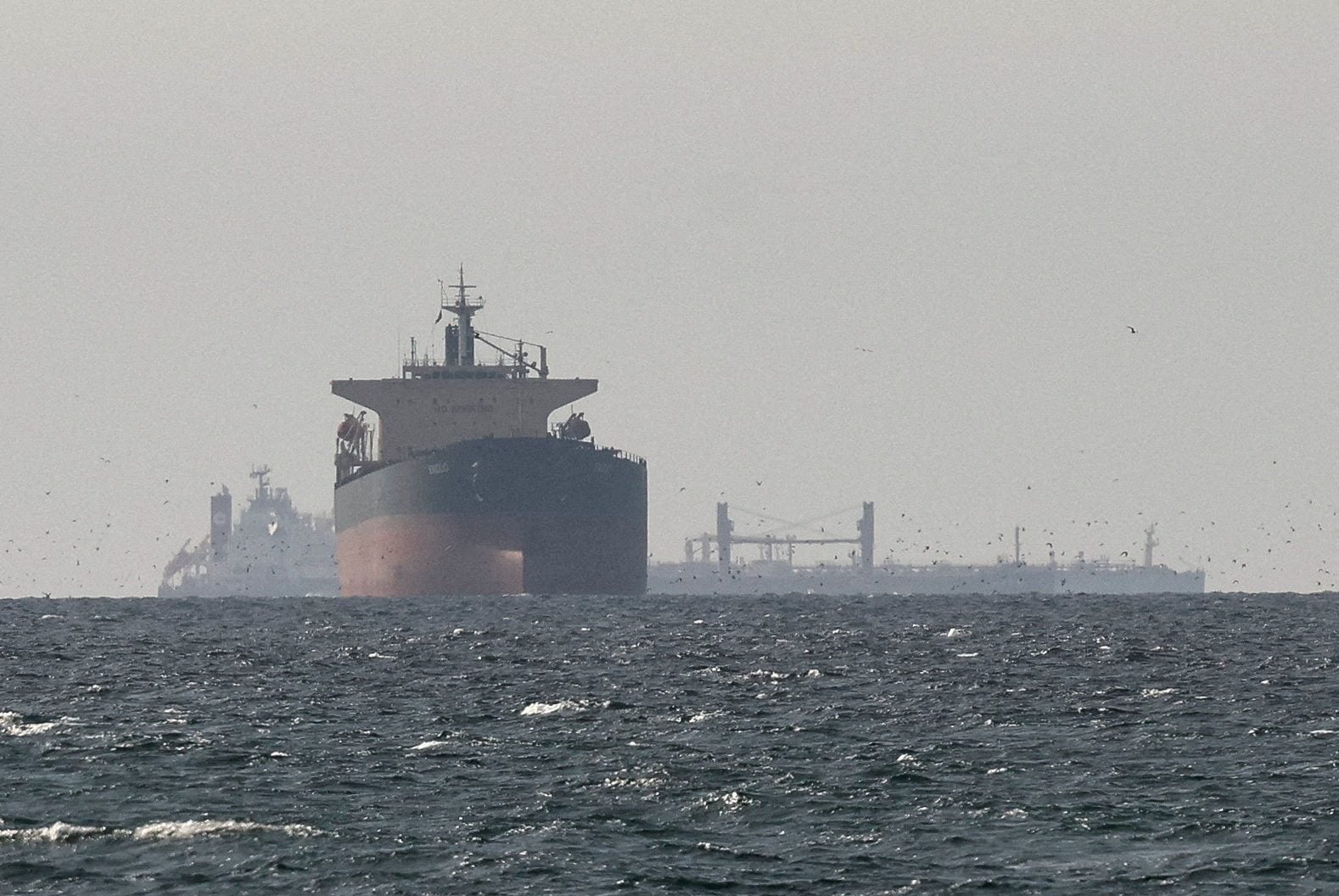
A small number of merchant vessels have begun edging back through the Strait of Hormuz, offering the first visible signs of movement after weeks of disruption. But far from signalling recovery, these carefully managed transits are exposing a deeper and more unsettling shift: one of the world’s most critical shipping lanes is no longer operating under normal commercial rules.
The key detail is not simply that ships are moving again, but how they are doing so. Vessel tracking data shows that some ships are modifying their Automatic Identification System transmissions to emphasise national ownership or political alignment, a tactic designed to reduce the likelihood of being targeted.
At the same time, overall traffic through Hormuz remains at a fraction of normal levels. Estimates suggest that daily movements have fallen to only a handful of vessels compared with the dozens that would typically transit each day.

Most of those currently moving appear linked to countries perceived as neutral or strategically aligned with Iran, including Asian and regional operators.
This pattern reinforces the view that Hormuz has not reopened in any meaningful commercial sense. Instead, it is beginning to function as a controlled corridor where access is selective, conditional and heavily influenced by geopolitics.
For shipowners and charterers, that represents a profound shift in how one of the world’s most important shipping lanes operates.
Adding to the complexity are growing indications that Iran may be moving toward a more structured system of control over the strait. While not formally confirmed in full detail, multiple reports suggest that vessels seeking to transit may need to undergo screening, provide detailed voyage information and, in some cases, comply with political or operational conditions before being allowed to pass.
If even partially accurate, such developments would mark a dramatic departure from the long-standing principle of free navigation through international waterways. The Strait of Hormuz has historically functioned as a neutral artery for global trade, governed by established maritime law.
The implications for global shipping are significant, with potential disruptions to supply chains and increased costs for operators.
As the situation continues to evolve, it is essential that all stakeholders remain vigilant and adapt to the changing operating environment.
The future of global trade and the stability of international shipping will depend on how this crisis is managed and resolved.
Any attempts to restore normal commercial operations in Hormuz must prioritize the safety and security of vessels and crew, while also ensuring the free flow of goods and services.
Ultimately, the long-term consequences of this shift in the Strait of Hormuz's operation will be far-reaching, with significant impacts on global economic growth and stability.
The international community must work together to address the root causes of this crisis and find a sustainable solution that balances competing interests and security concerns.
The shift in how the Strait of Hormuz operates is a significant concern for global trade and economic stability.