

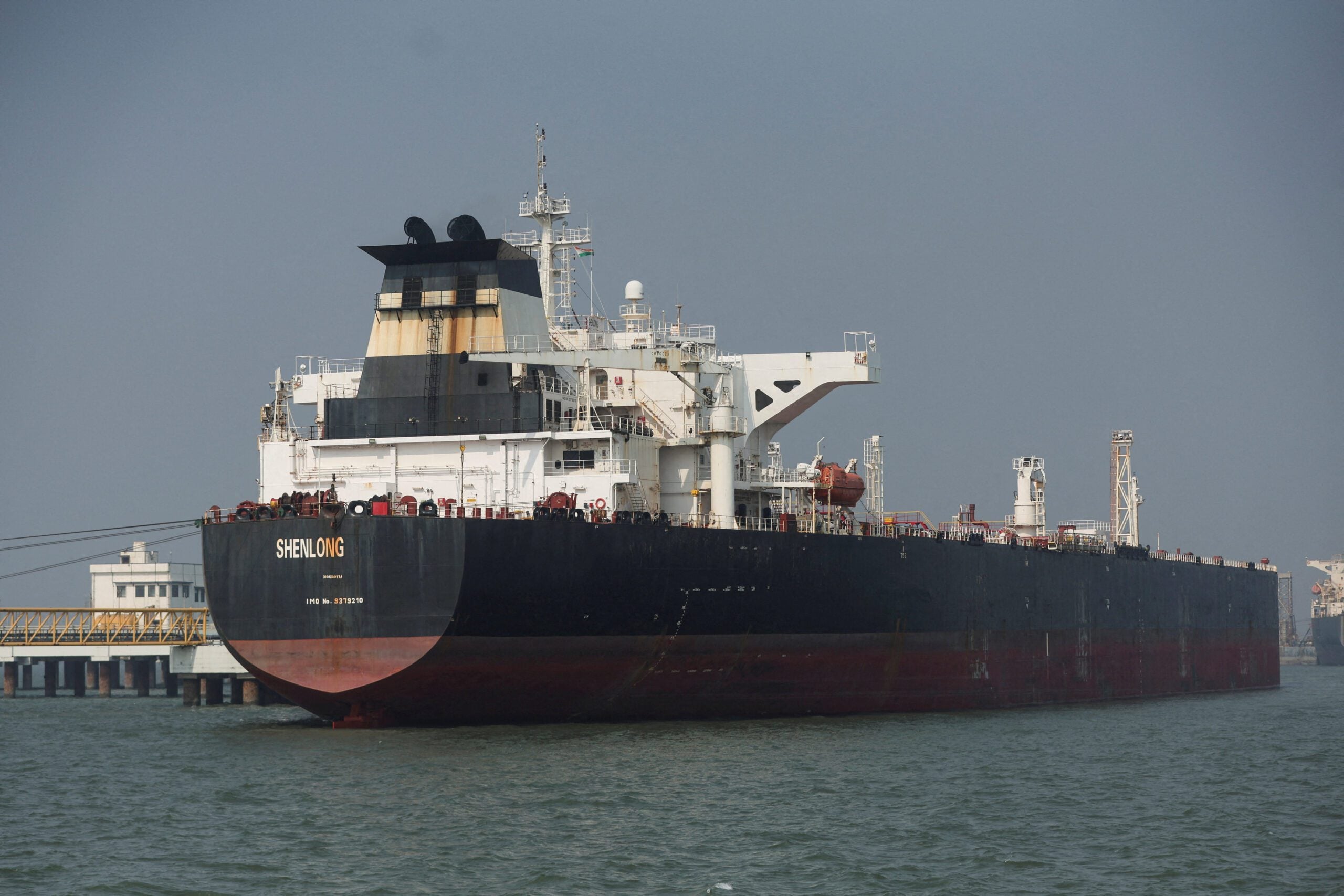
India's oil ministry has acknowledged the country's purchases of crude oil from Iran, a move seen as a strategic response to the current energy crisis. The statement comes after months of speculation about India's plans to rekindle its energy ties with Tehran. By purchasing Iranian crude, India aims to diversify its energy sources and reduce its reliance on the Middle East.
The decision to buy Iranian oil is part of India's efforts to navigate the complex web of global energy politics. With the US sanctions still in place, Iran has emerged as a vital source of crude oil for Indian refiners. However, the refining industry faces significant challenges in terms of trading, shipping, and banking arrangements.
The statement from the oil ministry denies reports of payment hurdles impeding Iranian crude imports. Instead, it confirms that vessel destinations are often indicative of payment arrangements. This suggests that India's energy ties with Iran have been rekindled due to a Washington waiver allowing purchases of seaborne Iranian crude.

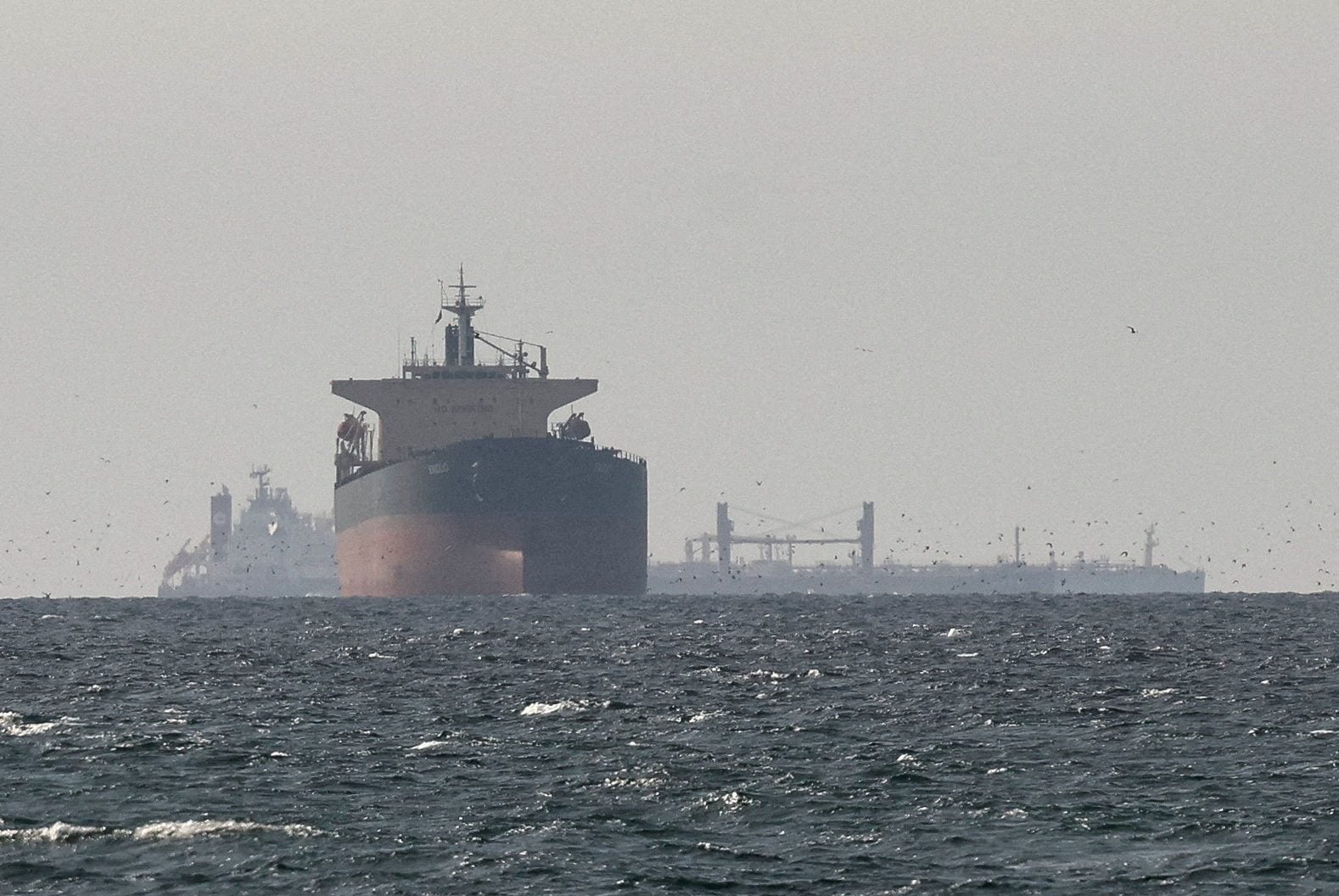
The arrival of Iranian liquefied petroleum gas in Mangalore is another indication of India's efforts to diversify its energy sources. The LPG vessel carrying around 44,000 tons is currently discharging at the port, according to the statement. This move underscores India's commitment to reducing its reliance on the Middle East for crude oil and LPG.
India has been severely impacted by the month-long war in the Persian Gulf and the effective closure of the Strait of Hormuz. The country's energy crisis has highlighted the need for diversification and strategic partnerships with countries like Iran. By rekindling its energy ties with Tehran, India aims to reduce its vulnerability to global supply disruptions.
The decision to buy Iranian oil is also seen as a response to India's growing dependence on seaborne Russian crude. While this has helped alleviate some pressure on the country's energy supplies, it has also raised concerns about the quality and availability of Russian crude. Purchasing Iranian oil provides an alternative source of high-quality crude.
The refining industry faces significant challenges in terms of trading, shipping, and banking arrangements. However, India's decision to buy Iranian oil suggests that the country is willing to navigate these complexities in order to secure its energy needs. This move underscores the importance of strategic partnerships in addressing global energy crises.
As the world grapples with the consequences of the conflict in Ukraine and the war in the Persian Gulf, India's decision to rekindle its energy ties with Iran is a significant development. The country's efforts to diversify its energy sources and reduce its reliance on the Middle East are likely to have far-reaching implications for the global energy market.
The arrival of Iranian liquefied petroleum gas in Mangalore marks an important milestone in India's efforts to reestablish its energy ties with Iran. As the country continues to navigate the complex web of global energy politics, it is clear that strategic partnerships will play a critical role in addressing the challenges posed by the current energy crisis.