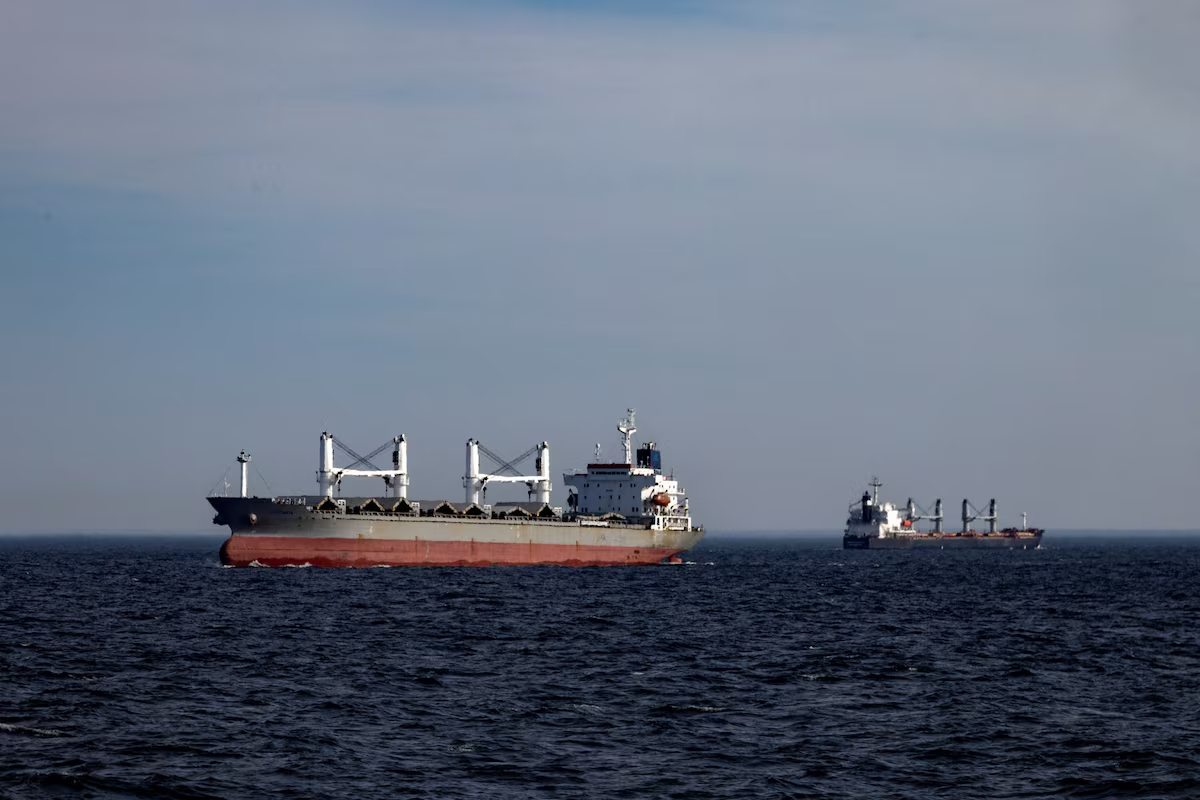


Recently, a significant development has taken place in the Strait of Hormuz, a vital sea route that carries about a fifth of global oil and LNG flows. According to data from LSEG and Kpler, an oil tanker loaded with Iraqi crude passed through the strait close to the Iranian coast on April 4. This comes after Iran announced that Iraq was exempt from any restrictions to transit the waterway, which has been closed in response to U.S. and Israeli airstrikes since late February. The recent passage of the tanker is a significant step towards normalizing trade in the region.
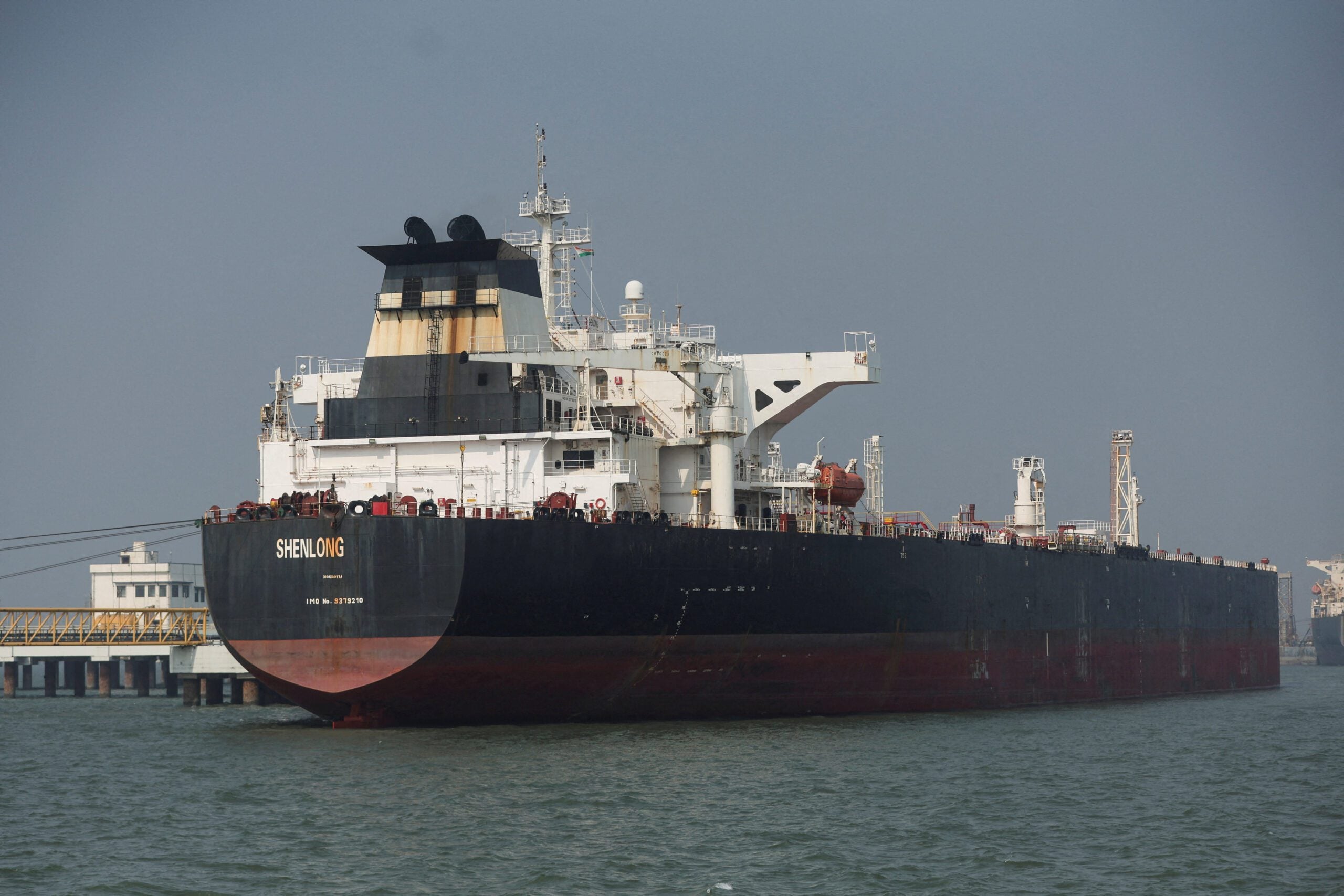
The Ocean Thunder, the tanker that passed through the strait, is carrying about 1 million barrels of Basrah Heavy crude on board. It was chartered by Petco, a unit of Malaysian state energy firm Petronas, and is expected to discharge its cargo in Malaysia's Pengerang in mid-April. This shipment marks an important milestone in the resumption of oil trade between Iraq and Iran.
The tanker's passage through the strait has been facilitated by Iran's decision to allow Malaysian vessels to transit the waterway without paying any tolls. According to two people familiar with the matter, this is part of a deal reached between Malaysia and Iran, which was announced last month. The agreement allows seven ships linked to Malaysian companies to pass through the strait.

The passage of the tanker has been seen as a positive development for regional trade, particularly in light of the recent closure of the Strait of Hormuz by Iran in response to U.S. and Israeli airstrikes. The resumption of oil trade between Iraq and Iran will help to stabilize global energy markets and reduce tensions in the region.
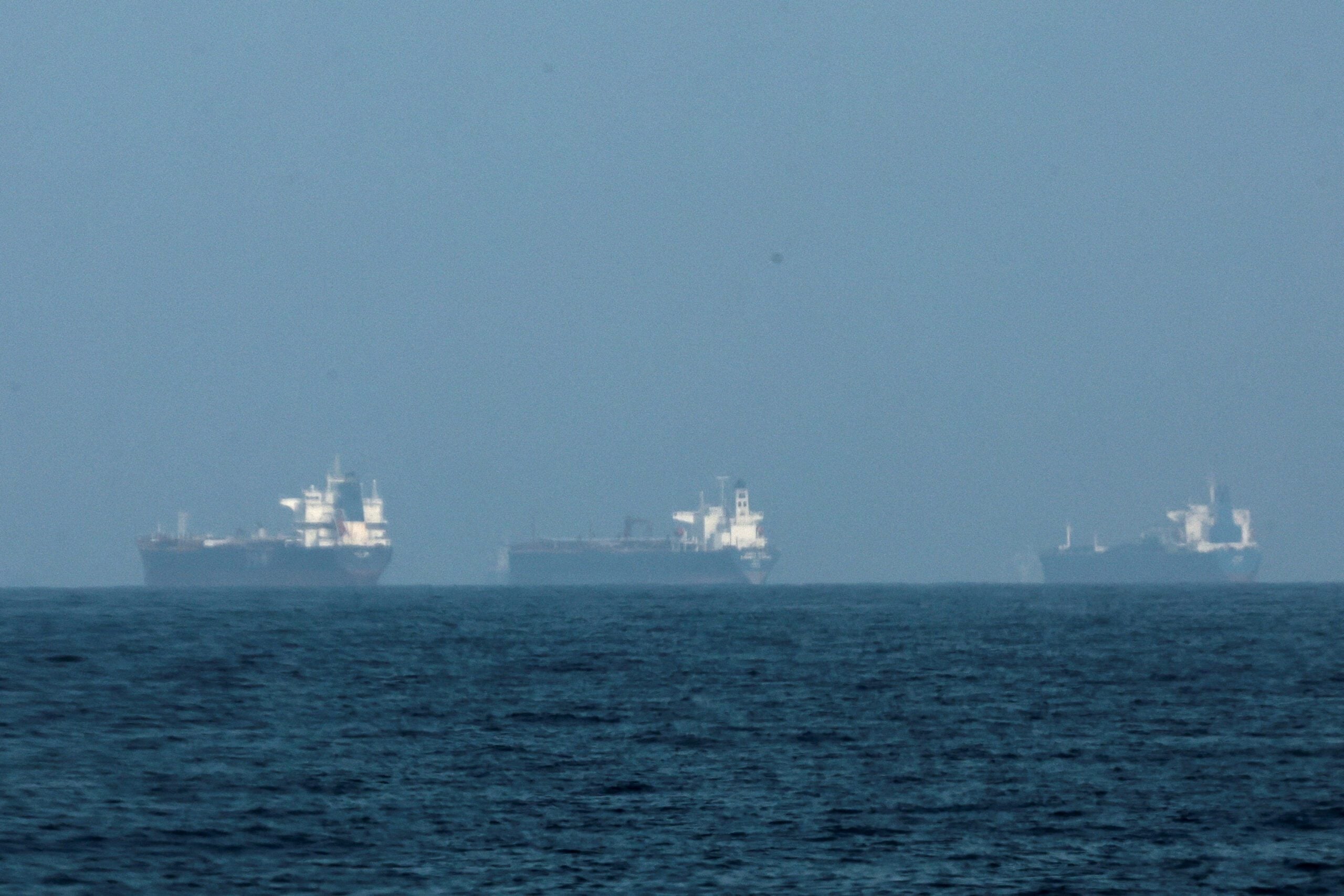
The Ocean Thunder is not the only tanker that has passed through the strait recently. In recent days, three Omani-operated tankers, a French-owned container ship, and a Japanese-owned gas carrier have also crossed the waterway. This indicates a gradual return to normal trade operations in the region.
Malaysia's Prime Minister Anwar Ibrahim had announced last month that Iran would allow Malaysian vessels to pass through the strait after holding talks with Iranian officials. The country's foreign minister later confirmed that there were seven ships linked to Malaysian companies awaiting clearance to transit the waterway.
The passage of the tanker has significant implications for regional trade and energy markets. With the resumption of oil trade between Iraq and Iran, global energy markets are expected to stabilize, reducing tensions in the region.
However, it is worth noting that Iran had previously indicated that it could levy fees on vessels sailing through the waterway. The country's decision to waive these fees for Malaysian vessels marks an important concession in the deal reached with Malaysia.
The recent passage of the tanker through the Strait of Hormuz marks a significant step towards normalizing trade in the region. As regional trade operations gradually return to normal, it is essential to monitor developments in the Strait of Hormuz and their impact on global energy markets.